 0
0
 0
0
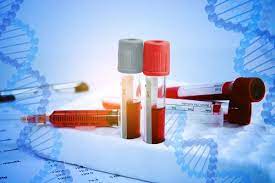
BENGALURU – A startling new analysis has pulled back the curtain on the invisible chemical burden carried by India’s city dwellers. Released in early March 2026 by the Bengaluru-based health-tech startup MicrobioTx, the study found that a staggering 93% of blood samples from urban residents across 14 cities contained detectable levels of toxic substances, including industrial “forever chemicals,” pesticides, and unauthorized antibiotics.
The findings, which sampled 200 individuals across nine states, suggest that the conveniences of modern urban life—from non-stick cookware to plastic-packaged convenience foods—come with a hidden biological cost. The study identifies a pervasive “cocktail effect,” where individuals are not just exposed to one toxin, but a layered buildup of multiple chemical classes that may undermine long-term health.
The “Cocktail Effect”: Breaking Down the Data
The MicrobioTx analysis utilized a specialized toxin-detection feature within its gut-health testing platform. Rather than testing food or water at the source, researchers looked at what actually remains in the human body—a process known as biomonitoring.
The results revealed a complex map of contamination:
-
Pesticides (78%): Nearly eight in ten participants had pesticide residues in their blood. More concerningly, 36% of those tested showed exposure to three or more different types of pesticides simultaneously.
-
Antibiotics (54%): Over half the samples contained traces of antibiotics, likely entering the system through the consumption of dairy and poultry where these drugs are often used to promote growth or prevent disease in crowded farming conditions.
-
Steroids (39%): These were frequently linked to growth-promoted livestock products.
-
PFAS “Forever Chemicals” (38%): Per- and polyfluoroalkyl substances, used in everything from waterproof clothing to fast-food wrappers, were detected in nearly 40% of the urban cohort.
“These toxins may enter our bodies silently through modern diets and environmental conditions,” said Akanksha Gupta, Co-Founder of MicrobioTx. She noted that 17% of participants carried a “high burden” of 10 or more different toxins, suggesting that for many urban Indians, chemical exposure is a chronic, daily reality rather than an isolated incident.
Pathways of Exposure: From Farm to Vein
The presence of these chemicals in the bloodstream highlights a breakdown in the barrier between industrial output and human biology. In India, the Food Safety and Standards Authority of India (FSSAI) monitors food quality, but human biomonitoring remains rare.
-
Dietary Intake: Agricultural runoff and the intensive use of approximately 60,000 tons of pesticides annually in India ensure that residues often reach the dinner table. Furthermore, reports suggest that 70-80% of Indian poultry and dairy may contain antibiotic traces.
-
The PFAS Problem: Known as “forever chemicals” because they do not break down in the environment or the human body, PFAS leach into groundwater from industrial sites and migrate from household products like non-stick pans into food.
-
Plastic Leaching: Microplastics and chemical additives in plastic packaging provide a constant stream of endocrine-disrupting chemicals that mimic or interfere with the body’s hormones.
The Health Toll: Beyond the Surface
While the presence of a chemical doesn’t always equal immediate disease, medical experts warn that chronic, low-level exposure can act as a slow-acting “stresser” on human physiology.
Dr. C. Cardenas of Stanford Medicine, who has conducted extensive research on PFAS, notes that high blood levels of these chemicals are increasingly linked to metabolic disruptions, including type 2 diabetes, kidney dysfunction, and altered immune responses.
The implications for the gut microbiome are particularly acute. “Antibiotics in our food supply don’t just fuel drug-resistant ‘superbugs’; they decimate the beneficial bacteria in our gut that are essential for immunity and digestion,” explains the MicrobioTx report. This disruption can lead to systemic inflammation, which is a known precursor to many chronic urban ailments, including ulcerative colitis and metabolic syndrome.
For vulnerable populations—including pregnant women and children—the stakes are higher. PFAS exposure has been linked to lower birth weights and weakened vaccine responses in children, while certain pesticides are classified as potential neurotoxins.
Expert Commentary: A Call for Surveillance
Public health advocates argue that this study should serve as a wake-up call for Indian regulatory bodies. Alexis Temkin, a toxicologist with the Environmental Working Group (EWG), has previously warned that even “healthy” foods like apples and spinach can be significant sources of pesticides if not screened rigorously.
“The results underline the importance of deeper epidemiological studies and stronger environmental surveillance,” noted public health specialists in recent briefings. They suggest that India needs a national biomonitoring program similar to those run by the U.S. Centers for Disease Control and Prevention (CDC) to track how environmental pollutants are moving through the population in real-time.
Limitations of the Study
While the data is provocative, independent researchers urge a balanced interpretation. The MicrobioTx analysis was based on a convenience sample of 200 individuals, which is a relatively small snapshot of India’s massive urban population.
Furthermore, because the study has not yet undergone formal peer review in a major medical journal, the exact concentrations (parts per billion) and specific chemical identities remain proprietary. It is also important to note that correlation does not equal causation; while toxins were present in the blood of people with health issues, this study alone does not prove the chemicals caused those specific conditions.
Taking Control: How to Reduce Your Chemical Burden
While systemic change requires government intervention, consumers can take immediate steps to lower their daily exposure:
-
The “Clean Fifteen” and “Dirty Dozen”: Prioritize buying organic for produce known to have high pesticide loads (like grapes, spinach, and tomatoes).
-
Water Filtration: Use high-quality water purifiers (RO/Activated Carbon) that are certified to remove heavy metals and PFAS.
-
Kitchen Swaps: Transition away from old, scratched non-stick cookware to stainless steel, cast iron, or ceramic.
-
Limit Plastics: Avoid heating food in plastic containers, as heat accelerates the leaching of chemicals like Phthalates and Bisphenol A (BPA).
The Path Forward
As India continues to urbanize at a rapid pace, the “hidden” environmental cost of development is becoming impossible to ignore. Whether through stricter enforcement of pesticide bans or the adoption of personalized health testing, the goal remains the same: ensuring that the progress of the 21st century does not come at the expense of the biological integrity of its citizens.
Medical Disclaimer: This article is for informational purposes only and should not be considered medical advice. Always consult with qualified healthcare professionals before making any health-related decisions or changes to your treatment plan. The information presented here is based on current research and expert opinions, which may evolve as new evidence emerges.
References
-
- https://health.economictimes.indiatimes.com/news/industry/toxic-chemicals-found-in-93-of-urban-blood-samples-study/128964165?utm_source=latest_news&utm_medium=homepage