 0
0
 0
0
Non-alcoholic fatty liver disease (NAFLD), once rare among children, is now an escalating health concern. Dr. Saurabh Sethi, a California-based gastroenterologist with training from Harvard and Stanford, has raised the alarm about the growing prevalence of this silent condition in adolescents and young adults.
Key Drivers: Modern Lifestyle and Diet
According to Dr. Sethi, unhealthy lifestyle choices—especially diets high in sugary foods like pastries, cookies, and soft drinks—are fueling this epidemic. He emphasizes that excess fructose from sugar is processed by the liver and can be converted into fat, elevating the risk for NAFLD even in young children.
“Serving your kid sugary foods like pastries, soft drinks, or cookies can be harmful… While glucose provides energy, excess fructose is converted into fat in the liver, potentially leading to fatty liver,” says Dr. Sethi.
What Is NAFLD?
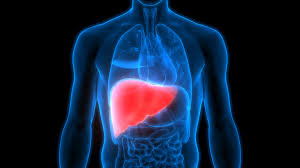
NAFLD is characterized by the accumulation of fat in the liver in people who consume little or no alcohol. Often nicknamed a silent disease, NAFLD can go undetected due to the lack of visible symptoms—or may only be discovered incidentally during tests for other conditions. If untreated, NAFLD can progress to severe liver complications including cirrhosis, liver fibrosis, and cancer, and may ultimately require a liver transplant. The risks don’t stop there: NAFLD can also increase the chances of developing type 2 diabetes and cardiovascular diseases.
Symptoms to Watch For
While most children exhibit no symptoms, some possible warning signs include:
-
Persistent fatigue
-
Discomfort or pain in the upper right side of the abdomen (under the ribs)
-
Generally feeling unwell
Prevention: Healthy Choices Matter
Preventing NAFLD is possible through actionable lifestyle changes:
-
Adopt a balanced diet: Focus on whole grains, vegetables, fruits, lean proteins, healthy oils, and low-fat dairy.
-
Avoid excessive sugary foods and drinks.
-
Encourage regular physical activity.
-
Maintain a healthy weight—and work on gradual, sustainable weight loss if overweight.
The Bottom Line
Fatty liver disease in children is on the rise, but simple dietary and lifestyle interventions can significantly reduce the risk. Early awareness among parents and children—especially regarding hidden sugar in processed foods and beverages—is crucial to combatting this silent epidemic.
Disclaimer: This article is for informational purposes only and is not a substitute for professional medical advice, diagnosis, or treatment. Please consult your physician or a qualified health provider with questions about any medical condition.
Reference: Based on reporting from Dr. Saurabh Sethi as featured by Times of India.