 0
0
 0
0
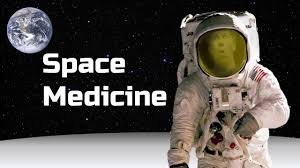
New Delhi, July 1, 2025 — Group Captain Shubhanshu Shukla of the Indian Air Force has made history as the first Indian to reach the International Space Station (ISS), joining the Axiom Space Mission-4 (Ax-4) crew for a groundbreaking 14-day scientific mission. Shukla’s primary focus is leading a pioneering experiment to decode muscle loss in space, a challenge that has long troubled space medicine and has direct implications for both astronauts and people suffering from muscle degeneration on Earth.
During his stay on the ISS, Shukla is working in the Kibo Life Science Glovebox, where he is examining muscle stem cell cultures to understand the mechanisms behind muscle degradation in microgravity. “What happens on going to space is that because gravity is absent, the load goes away and hence muscle loss occurs. So, my experiment is looking at whether we can stop or delay this muscle loss by giving some supplement,” Shukla explained during a live interaction from the orbital laboratory.
The experiment is not only vital for long-duration space missions, where muscle atrophy can severely impact astronaut health and mission success, but also holds promise for developing new therapies for muscle-related diseases and age-associated muscle loss on Earth. According to Axiom Space, findings from this research could pave the way for treatments benefiting people suffering from muscle-wasting conditions due to aging or prolonged immobility.
Shukla’s mission, a collaboration involving NASA, ISRO, and the European Space Agency, is part of a broader research agenda that includes over 60 scientific studies and commercial activities representing 31 countries. India has contributed seven experiments to the mission, including studies on crop seeds, microalgae cultivation, tardigrade survival, and the effects of microgravity on human physiology and cognition.
Beyond his scientific work, Shukla is also engaging in educational outreach, filming videos for Indian students about how the digestive system adapts to space and documenting crew activities for NASA’s Astronaut Mental Health study.
Shukla’s achievement marks a significant milestone for India, coming 41 years after Rakesh Sharma became the first Indian in space. His experience is expected to play a key role in India’s upcoming Gaganyaan mission, which aims to send a crewed spacecraft into orbit by 2027.
“This isn’t just my achievement – it’s a collective one, shared by so many people back home,” Shukla said, reflecting on the historic nature of his mission.
Disclaimer: This article is based on publicly available information as of July 1, 2025, and draws primarily from reports by The Hans India and other reputable news outlets. Details of ongoing experiments and their outcomes are subject to further validation by scientific authorities. For the most current and comprehensive updates, please refer to official releases from Axiom Space, NASA, and ISRO.