 0
0
 0
0
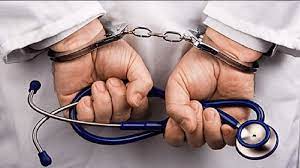
In the early hours of New Year’s Day 2026, Kerala Police arrested seven individuals, including an MBBS doctor and a BDS student, in a major anti-narcotics raid in Thiruvananthapuram, exposing a smuggling ring targeting medical students and professionals with synthetic drugs like MDMA. The operation, led by the Attingal and Nedumangad Rural District Anti-Narcotic Special Action Force (DANSAF), followed a tip-off to the Thiruvananthapuram Rural Superintendent of Police and came after the suspects’ earlier escape in a high-speed chase. Authorities seized 4 grams of MDMA, 100 grams of ganja, and 1 gram of high-quality hybrid ganja—valued at around Rs 3,000 per gram—along with two cars, two motorcycles, and 10 mobile phones.
Raid Details and Arrests
Police surrounded a rented house in Thoppil, Kaniyapuram, around dawn on January 1, arresting all seven without resistance after intelligence pinpointed the hideout. The group included two women and an IT professional, led by three habitual offenders who allegedly smuggled MDMA and other synthetics from Bengaluru. The Kadinamkulam Station House Officer confirmed the network primarily supplied drugs to medical professionals and students, raising alarms about insider involvement in Kerala’s healthcare sector. The accused were handed over to Kadinamkulam Police for further investigation under the Narcotic Drugs and Psychotropic Substances (NDPS) Act.
This bust follows a pattern of prior chases, including one where suspects rammed a police jeep before fleeing, highlighting the determination of DANSAF teams. No identities of the medical arrestees have been officially released pending deeper probes, but the involvement of a practicing doctor and dental student underscores vulnerabilities within medical circles.
Drugs Involved: MDMA and Cannabis Risks
MDMA, or 3,4-methylenedioxymethamphetamine, is a synthetic psychoactive drug known for its stimulant and hallucinogenic effects, often producing euphoria but carrying severe health risks. Short-term effects include elevated heart rate, blood pressure, hyperthermia, dehydration, nausea, and jaw clenching; in extreme cases, it triggers cardiac arrest, stroke, or fatal overheating, especially in party settings. Long-term use damages the brain’s serotonin system, leading to memory issues, depression, liver or kidney problems, and chronic fatigue.
Ganja, or cannabis, and hybrid variants seized here can impair cognition, increase psychosis risk in vulnerable users, and exacerbate mental health disorders. Valued at premium rates, these substances fuel a black market preying on high-stress groups like medical trainees. In India, MDMA’s rise ties to urban nightlife and student experimentation, with Kerala reporting 27,701 NDPS cases in 2024 alone.
Broader Context: Drug Abuse in Indian Medicine
Substance use among Indian medical students affects 20-40% or higher, with a pooled prevalence around 40% per systematic reviews, often escalating in later clinical years due to stress, peer pressure, and access. A 2025 Indore study found 36% current use (past six months), peaking at 93% among interns and 84% postgraduates, mainly alcohol and tobacco but including synthetics; males and hostel dwellers faced higher risks. Kerala’s incidents echo national trends, like a 2025 Kochi doctor arrested with MDMA or earlier Thrissur cases linking 15 physicians to use.
Medical training’s demands—long hours, exams, patient deaths—mirror risk factors for abuse, yet professionals’ knowledge heightens irony and danger, as self-regulation fails. Kerala, with its high literacy and medical colleges, sees synthetics infiltrate via inter-state routes like Bengaluru.
Expert Insights and Public Health Alarms
“This bust reveals a disturbing trend where future healers become peddlers, eroding trust in healthcare,” notes Dr. G. Shreekumar Menon, a Mangaluru-based expert on student health, referencing Indore data linking abuse to sudden deaths. Psychiatrist Dr. Vivek Benegal from NIMHANS, Bangalore, warns: “Stress in medicine doesn’t justify MDMA; it rewires brains, impairing judgment critical for doctors—prevention via counseling is urgent.”
Implications extend to patient safety: impaired providers risk errors, while student networks normalize use, potentially spiking campus overdoses. Kerala’s Excise Department pushes awareness, but experts call for mandatory screening and de-addiction in colleges.
Challenges and Pathways Forward
Investigations continue, with potential links to wider syndicates; limitations include unnamed suspects and ongoing probes, urging caution against overgeneralization. Counterarguments note not all medical users deal drugs—many seek escape from burnout—necessitating empathy alongside enforcement. Practically, readers should watch for dependency signs in peers, support helplines like India’s Narcotics Control Bureau (1800-11-0030), and advocate college wellness programs.
This case spotlights the need for systemic reforms: stricter drug checks at medical hostels, mental health integration in curricula, and inter-agency vigilance against synthetic influx. Public health demands viewing this not as isolated scandal but call to safeguard India’s medical workforce.
Medical Disclaimer: This article is for informational purposes only and should not be considered medical advice. Always consult with qualified healthcare professionals before making any health-related decisions or changes to your treatment plan. The information presented here is based on current research and expert opinions, which may evolve as new evidence emerges.
References:
-
Medical Dialogues. “MBBS doctor, BDS student among 7 arrested in Kerala drug bust.” January 1, 2026. https://medicaldialogues.in/news/health/mbbs-doctor-bds-student-among-7-arrested-in-kerala-drug-bust-161811medicaldialogues