 0
0
 0
0
New Delhi, May 2, 2025:
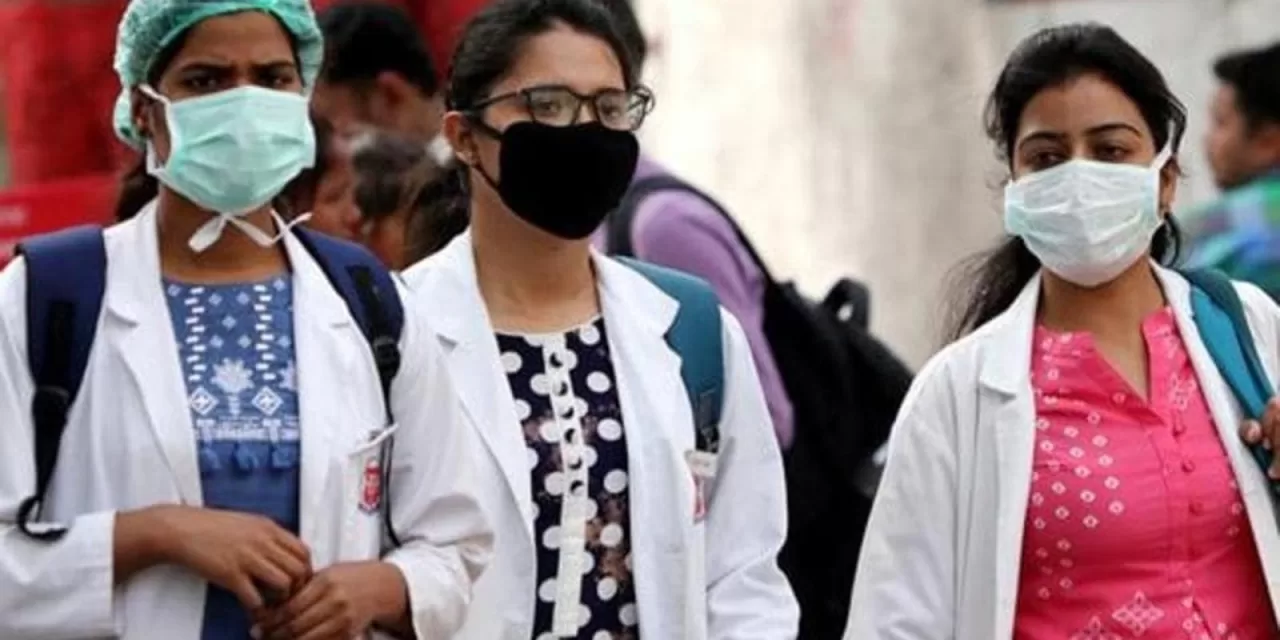
A recent Right to Information (RTI) query has brought to light alarming statistics regarding the mental health and well-being of medical students in India. According to data provided by the National Medical Commission (NMC), a staggering 1,166 medical students dropped out of their undergraduate and postgraduate courses, and 119 students died by suicide over the past five years.
Disturbing Trends in Medical Education
The RTI, filed by a member of the United Doctors’ Front (UDF), sought detailed information on dropout rates and suicides among medical students across the country. The NMC’s Postgraduate Medical Education Board (PGMEB) responded with data from 512 medical colleges, revealing that 166 undergraduate (UG) students and a significant number of postgraduate (PG) students discontinued their studies during this period.
The breakdown of PG dropouts is as follows:
-
MS General Surgery: 114 students
-
MS Orthopaedics: 50 students
-
Obstetrics and Gynaecology: 103 students
-
MS ENT: 100 students
-
MD General Medicine: 56 students
-
MD Paediatrics: 54 students
-
Other branches: 529 students
Suicides Among Medical Students
The data also highlighted that 64 undergraduate and 55 postgraduate medical students died by suicide in the last five years. This grim statistic underscores the urgent need for systemic reforms to address the mental health crisis within the medical education system.
Dropouts at Prestigious Institutes
The RTI further revealed dropout statistics from Institutes of National Importance (INIs):
-
AIIMS Nagpur: 56 PG students dropped out
-
AIIMS Bhubaneswar: 122 students dropped out (2020-2024), with no reported suicides among PG students
-
JIPMER: 276 PG students dropped out
Complaints Reflecting Systemic Issues
Between 2020 and 2024, the PGMEB received 1,680 complaints from PG medical students, covering issues such as ragging, excessive workload, long working hours, bullying, and abuse of power by faculty. AIIMS Nagpur and JIPMER reported 27 and 4 complaints, respectively.
Dr. Lakshya Mittal, National President of UDF, shared the data on social media, stating, “The distressing figures…are a stark indictment of the collapsing support structure for resident doctors in India. These are not just statistics; they represent real lives and aspirations lost to systemic burnout, neglect, and institutional silence.”
Calls for Reform
Despite previous Supreme Court directives, the implementation of the 1992 Central Residency Scheme-meant to protect the rights and well-being of resident doctors-remains inconsistent. The UDF has demanded immediate and uniform enforcement of duty-hour regulations, weekly offs, and mental health safeguards nationwide.
A Public Interest Litigation (PIL) has also been filed by the UDF, seeking judicial intervention to ensure meaningful reforms that safeguard the future of India’s medical workforce.
Disclaimer
This article is based on data reported by Medical Dialogues and information obtained through an RTI application. The figures and statements reflect the data as provided by the National Medical Commission and related authorities. Readers are advised that the numbers may vary as more information becomes available. If you or someone you know is struggling with mental health issues, please seek professional help or contact a helpline immediately.
Citations: