 0
0
 0
0
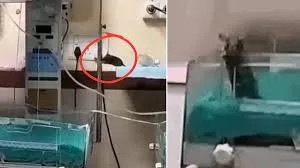
In a deeply unsettling incident, Indore’s Maharaja Yeshwantrao (MY) Hospital reported the death of a newborn infant in its Neonatal Intensive Care Unit (NICU) after reportedly suffering rat bites. The incident, which occurred just this week, marks the second neonatal death linked to similar circumstances within days at the same hospital. The Madhya Pradesh Human Rights Commission (MPHRC) has taken immediate notice, demanding a detailed inquiry report from hospital authorities within 30 days.
This tragic event unfolded on Monday when the infant sustained the rat bites, succumbing to complications by Wednesday. Significantly, just a day earlier, a newborn girl had also died under comparable conditions. The situation has sparked alarm among healthcare professionals, public health experts, and the broader community due to both the severity and the preventable nature of such hospital-acquired harms.
Key Developments and Institutional Response
In response to this crisis, the Madhya Pradesh Human Rights Commission has formally intervened, asking the hospital superintendent to provide a thorough report on the incidents and hospital conditions. The state’s Medical Education Department has similarly requested clarifications from the hospital dean to better understand the lapses involved.
Professional accountability measures are already underway: two nursing officers at MY Hospital have been suspended, while others have received show-cause notices pending the investigation. Further, a high-level committee has been constituted to conduct an in-depth probe into the circumstances leading to these deaths.
Despite these actions, hospital management refutes that rat bites caused the infants’ deaths, citing infection as the primary cause according to doctors treating the cases. Nursing staff have expressed dissatisfaction with the suspensions, arguing that frontline workers are being unfairly targeted while senior hospital officials avoid accountability. The investigation remains ongoing to establish a comprehensive picture.
Context and Public Health Implications
Nosocomial infections and hygiene lapses in hospitals, especially in neonatal units, pose grave risks to the most vulnerable patients—newborns with immature immune systems. Rat infestations in healthcare settings can facilitate transmission of pathogens as well as direct physical harm, such as bites, which can introduce infections or cause severe trauma. The deaths in MY Hospital highlight an urgent need for stringent sanitation, pest control, and systemic oversight in hospital environments.
The presence of rodents in critical care areas points to broader infrastructural and administrative shortcomings potentially linked to overcrowding, resource constraints, and housekeeping failures. Public health experts emphasize that preventing such incidents requires robust infection control protocols, regular facility hygiene audits, and comprehensive staff training.
Expert Perspectives
Dr. Meera Pandey, a neonatologist not affiliated with MY Hospital, notes, “Infants in NICUs are extremely susceptible to infections that can quickly become life-threatening. Any breach in environmental safety, including rat infestations, is unacceptable and preventable with proper hospital hygiene practices and strict regulatory oversight.”
Similarly, Dr. Rajesh Verma, a public health specialist, underscores, “This incident should trigger a statewide review of hospital sanitation standards. It is critical to ensure the safety and dignity of patients, particularly neonates, whose survival depends entirely on healthcare systems.”
Potential Limitations and Balanced Considerations
While management attributes the deaths primarily to infections, this claim does not eliminate the concern that rat bites could have contributed directly or indirectly by compromising the infants’ skin barrier and introducing pathogens. Confirmatory microbial and forensic analyses are essential before final conclusions can be drawn.
Additionally, investigations must consider systemic issues including staffing adequacy, facility maintenance, and administrative oversight rather than focusing solely on individual staff members. Assigning blame without addressing root causes will not prevent recurrence.
Implications for Healthcare Consumers and Policymakers
For health-conscious consumers, these events reinforce the importance of awareness about hospital hygiene standards. Families should feel empowered to inquire about cleanliness measures and raise concerns when signs of inadequate sanitation appear.
Policymakers and hospital administrators must implement rigorous pest control measures, enforce infection prevention protocols, and ensure accountability from top management down to frontline workers. Regular audits and public transparency regarding safety measures can help restore public trust.
Medical Disclaimer: This article is for informational purposes only and should not be considered medical advice. Always consult with qualified healthcare professionals before making any health-related decisions or changes to your treatment plan. The information presented here is based on current research and expert opinions, which may evolve as new evidence emerges.
References:
- https://www.freepressjournal.in/indore/shocker-another-infant-dies-after-rat-bite-at-indores-my-hospital-mphrc-seeks-report