 0
0
 0
0
New Delhi, June 24:
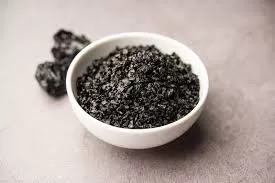
Shilajit, a tar-like mineral-rich substance sourced from the Himalayas and other mountainous regions, is witnessing a surge in global popularity as a wellness supplement. Traditionally revered in Ayurveda, shilajit is celebrated for its high content of fulvic acid, amino acids, polyphenols, and other bioactive compounds, which are believed to enhance energy, immunity, and hormonal balance.
Recent studies have confirmed shilajit’s antioxidant and anti-inflammatory properties. Research published in the Indian Journal of Physiology and Pharmacology highlights its ability to reduce oxidative stress, while other findings suggest it may help prevent Alzheimer’s disease by inhibiting the buildup of tau proteins in the brain. Clinical trials have also linked shilajit to increased testosterone levels, with a 90-day study in men aged 45–55 showing significant hormonal improvements. Additionally, its fulvic acid content has demonstrated antiviral effects against RSV, HSV, and HIV, and has been shown to aid fracture healing and post-surgical recovery in clinical settings.
Despite these promising benefits, health experts are sounding a note of caution. Overuse of shilajit can lead to side effects such as digestive issues, low blood pressure, iron overload, or even liver toxicity. Individuals with hormone-sensitive conditions, those on hypertension medication, or people with diabetes are advised to consult a physician before use, as shilajit may interact with their conditions or medications. Pregnant and breastfeeding women, as well as those with autoimmune disorders, are also advised to avoid shilajit due to insufficient safety data.
A major concern raised by experts is the risk of contamination in unregulated or unpurified shilajit supplements. Several studies and reports have found that some commercially available products contain harmful levels of heavy metals such as lead, mercury, and arsenic, as well as other toxins. Consuming raw or unprocessed shilajit is particularly dangerous, and experts stress the importance of purchasing only purified, lab-tested products from reputable sources.
While shilajit holds potential as a health supplement, experts emphasize that more rigorous research is needed to fully understand its safety and efficacy. Responsible use and consultation with healthcare professionals remain crucial as its global popularity grows.
“If you’re considering using shilajit, you should first consult your physician,” advises Dr. Saper, a leading expert in integrative medicine.
Disclaimer:
This article is for informational purposes only and does not constitute medical advice. Shilajit supplements should be used only under the supervision of a qualified healthcare professional. The safety and efficacy of shilajit are still under investigation, and unregulated products may pose serious health risks. Always consult your doctor before starting any new supplement or treatment.