 0
0
 0
0
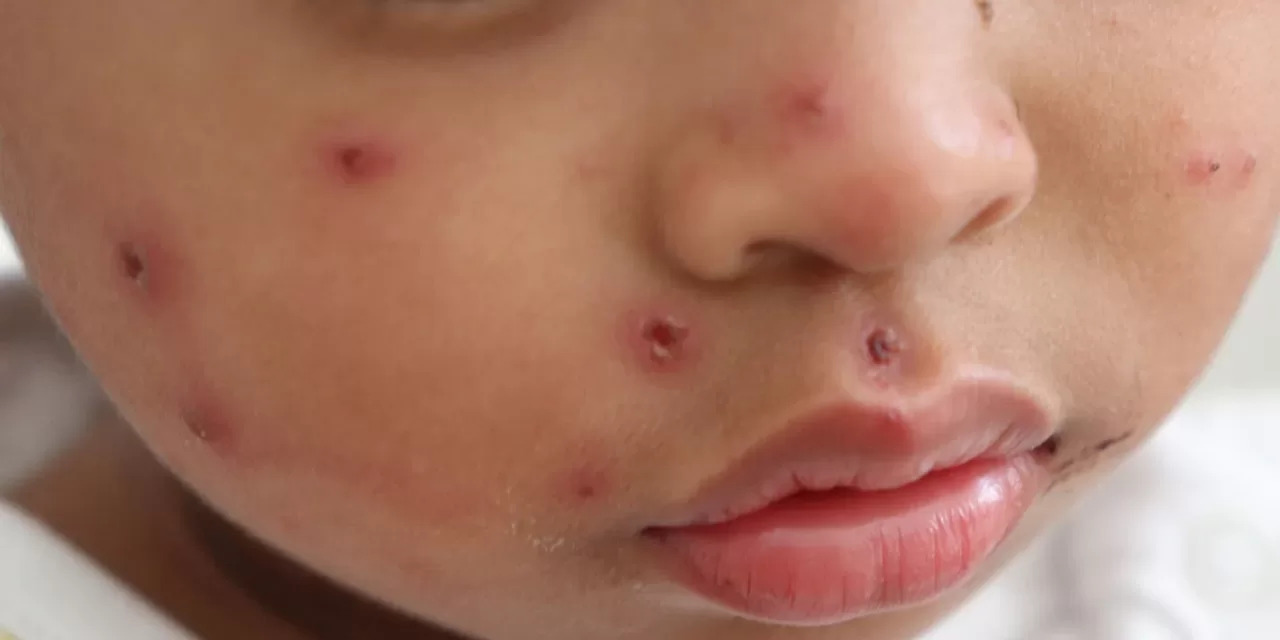
A significant surge in measles cases in Pakistan’s Lower South Waziristan region, reported in October 2025, has triggered mounting concern among health authorities and the general public. More than 850 measles cases have been documented in the district so far this year, marking one of the region’s most notable outbreaks in recent memory and highlighting ongoing challenges around vaccination and public health infrastructure.
Health officials in Lower South Waziristan, Pakistan, reported a sharp escalation in measles cases in 2025, with over 850 confirmed cases concentrated mainly in Wana, Toi Khulla, Birmal, and Shakai tehsils. The outbreak is largely attributed to persistently low vaccination coverage and rising vaccine hesitancy, particularly in remote and hard-to-reach communities. Local health authorities warn that vaccine refusal and misconceptions continue to leave children critically vulnerable to preventable disease and death.
Key Findings and Developments
Official data from the Pakistan health department and reports from local media confirm the majority of children affected were unvaccinated against measles. Areas with stronger vaccination coverage experienced significantly fewer cases, underscoring the effectiveness of the measles vaccine in outbreak prevention. Health surveillance teams note that reaching children in nomadic and isolated villages remains a major hurdle, compounded by pervasive community resistance and misinformation about vaccine safety and efficacy.
The measles virus, classified as one of the most contagious diseases worldwide, thrives where immunization rates drop. According to the World Health Organization (WHO), the disease can lead to serious complications—such as pneumonia, brain inflammation, and death—especially in young children. In unvaccinated populations, outbreaks can escalate rapidly due to the virus’s airborne transmission.
Expert Perspectives
Speaking to the Pakistani daily Dawn, Hameedullah, coordinator of the Expanded Programme on Immunisation (EPI) in Lower South Waziristan, stated: “Our surveillance teams found that most of the affected children were unvaccinated. In contrast, areas where the vaccination coverage was strong recorded very few cases.” He emphasized that vaccine refusal and community resistance have become major barriers to public health, further urging parents and caregivers to prioritize immunization efforts to prevent outbreaks.
Dr. Palitha Mahipala, WHO Representative in Pakistan (from prior WHO campaigns), has previously highlighted the critical role of measles and rubella vaccination campaigns in preventing outbreaks and reducing child mortality. “Every child has the right to access life-saving health care. WHO supports all efforts to ensure that children are vaccinated against measles and rubella,” said Dr. Mahipala, emphasizing the lifesaving power of vaccination.
Context and Background
Measles has remained endemic in Pakistan for decades, despite the global availability and effectiveness of the measles vaccine. The COVID-19 pandemic disrupted routine immunization services, creating gaps in protection and fueling “zero-dose” children—those who have not received any vaccines—particularly in marginalized communities. In 2021, a nationwide measles and rubella immunization campaign aimed to vaccinate over 90 million children, yet significant regional disparities in coverage persist, often due to physical inaccessibility, conflict, misinformation, and longstanding distrust of vaccination programs.
The highly transmissible nature of measles makes it especially dangerous in areas where even minor drops in vaccine coverage can trigger outbreaks. According to the CDC, about 95% vaccination coverage is needed to achieve herd immunity and prevent sustained transmission.
Implications for Public Health
Pakistan’s outbreak is an urgent reminder of the fundamental importance of robust childhood immunization programs. Measles is preventable, but its ongoing resurgence highlights critical vulnerabilities in public health infrastructure and community engagement. Failure to address gaps in immunization invites the risk of larger outbreaks and greater morbidity and mortality, particularly among children under five years. The consequences also amplify public health system burdens, diverting resources needed for other preventable diseases.
For families and communities, the outbreak underscores the imperative of ensuring that children receive all recommended vaccinations. Health workers and policymakers are called to renew and strengthen efforts in community education, outreach in difficult terrains, and countering vaccine misinformation through evidence-based communication and trusted local voices.
Potential Limitations and Counterarguments
While the correlation between low vaccine coverage and measles outbreaks is well-established, challenges remain in data collection and surveillance, especially in regions affected by conflict or displacement. Some critics argue that broader structural issues—such as poverty, inadequate healthcare access, and vaccine supply chain disruptions—must also be addressed to achieve lasting immunization coverage.
Additionally, isolated vaccine failure and concerns over timing of vaccine administration have been reported in scientific literature from Pakistan. However, expert consensus affirms that vaccine efficacy remains high when immunization schedules are maintained, and improvements in surveillance and delivery systems are seen as central solutions.
Practical Implications for Readers
For individuals and families, the message is clear: Vaccinating children according to national and international guidelines dramatically reduces the risk of preventable diseases like measles. Public health experts urge parents and caregivers to trust scientific evidence and dismiss myths surrounding vaccines, as the risks of non-vaccination far outweigh any reported side effects.
When accessible, cooperation with healthcare teams and responding to vaccination campaigns—even in remote or nomadic communities—remains critical. For travel or relocation to outbreak-affected areas, individuals should confirm measles immunization status and follow WHO and CDC travel advisories.
Medical Disclaimer
“Medical Disclaimer: This article is for informational purposes only and should not be considered medical advice. Always consult with qualified healthcare professionals before making any health-related decisions or changes to your treatment plan. The information presented here is based on current research and expert opinions, which may evolve as new evidence emerges.”
References