 0
0
 0
0
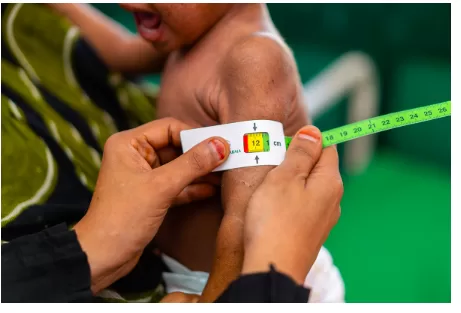
A recent study has found that severe malnourishment in children under five years old can lead to a heightened risk of developing antibiotic-resistant bacterial infections. According to the research highlighted by Greater Kashmir, one in four children—about 25%—carried bacteria that were resistant to commonly used antibiotics, signaling a worrying trend for both public health and child welfare.
The findings underscore that malnourished children have weaker immune systems, making them more susceptible to infections. When these infections are treated frequently with antibiotics, especially in cases where sanitation and healthcare resources are limited, the chances of building bacterial resistance multiply. The study’s authors warn that as antibiotic-resistant bacteria proliferate among vulnerable children, standard treatments for infections become less effective, resulting in prolonged illness, higher medical costs, and increased risk of death.
Experts also noted that this trend has broader implications, as the spread of antibiotic-resistant bacteria within communities can undercut the effectiveness of current drugs and threaten global health initiatives. Interventions targeting improved nutrition, hygiene, and rational antibiotic use were emphasized as essential steps to curb the impending crisis.
“Children under the age of five with severe malnourishment could be at significant risk of developing antimicrobial resistant bacteria, weakening treatment outcomes and increasing mortality,” stated the study.
The research draws attention to the urgent need for integrated public health strategies that combine nutrition support with responsible antibiotic stewardship and better hygiene practices.
Disclaimer
This article is based on a summary of findings reported by Greater Kashmir and related outlets as of August 3, 2025. It is intended for informational purposes only and should not replace medical advice from healthcare professionals. For specific concerns regarding malnutrition or antibiotic resistance, please consult your pediatrician or a qualified health expert.