 0
0
 0
0
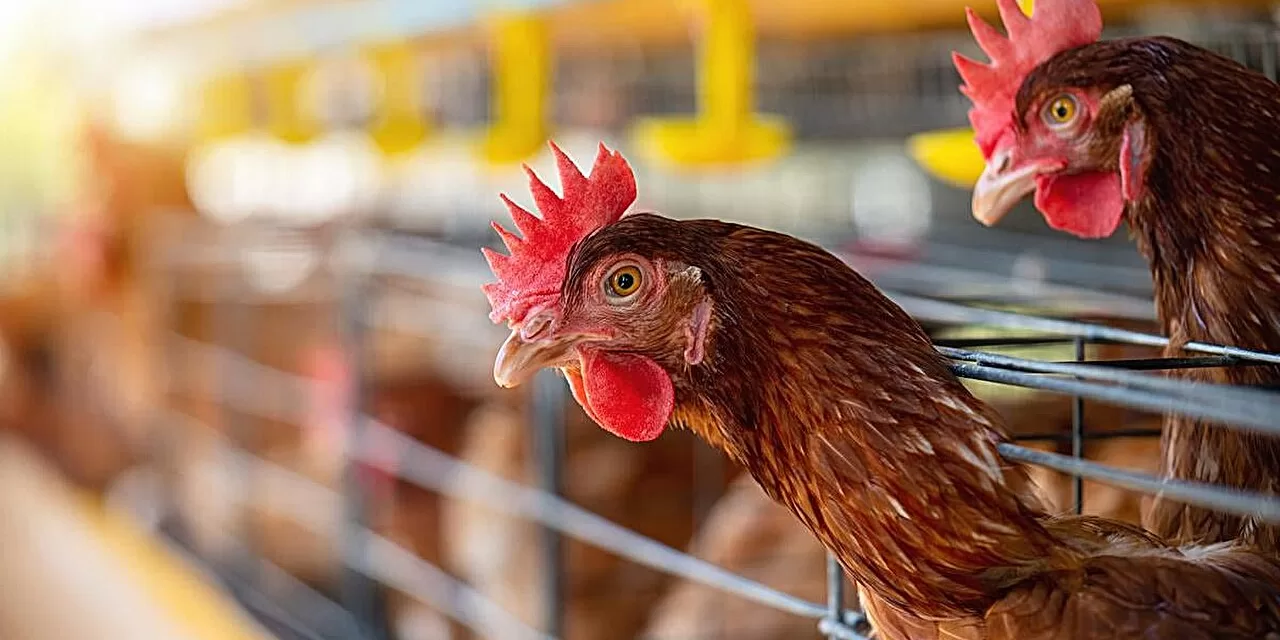
WASHINGTON, D.C. — A bipartisan coalition of 23 U.S. Senators is ramping up pressure on the U.S. Department of Agriculture (USDA) to finalize a comprehensive vaccination strategy for avian influenza. In a letter sent Thursday, December 11, to Agriculture Secretary Brooke Rollins, lawmakers warned that the approaching winter could exacerbate an outbreak that has already devastated poultry flocks and made unprecedented jumps into dairy cattle across the nation.
Led by Senators Amy Klobuchar (D-MN) and Mike Rounds (R-SD), the group is urging the USDA to move “with speed and diligence” to review and implement a science-based plan to protect the nation’s livestock. The push comes as the highly pathogenic avian influenza (HPAI) H5N1 virus continues to evolve, posing ongoing risks to animal health, food prices, and potentially human health.
The Push for a “Science-Based” Shield
The Senators’ letter highlights a critical delay in the nation’s defense against the virus. While the USDA has noted that a draft proposal for a poultry vaccine strategy is under review, lawmakers argue that the timeline must be accelerated.
“Avian flu infections have already begun to increase as winter approaches, and it is essential that USDA take renewed action to address and fight this virus,” the Senators wrote. They emphasized that any strategy must be “comprehensive in scope,” covering turkeys, egg-laying hens, and eventually dairy cattle, once safety and efficacy are confirmed.
The urgency stems from the staggering scale of the current outbreak, which began in 2022. According to USDA data, the virus has impacted over 184 million birds in commercial and backyard flocks and has been detected in over 1,000 dairy herds across the country.
Industry Leaders Rally Behind Vaccination
Historically, the U.S. poultry industry has been hesitant to embrace vaccination due to trade concerns; many nations ban imports of vaccinated poultry to avoid the risk of undetectable virus circulation. However, the persistence of the H5N1 strain has shifted the calculation for many producers.
Leslee Oden, President and CEO of the National Turkey Federation (NTF), commended the bipartisan effort, stating, “NTF supports USDA developing a vaccination strategy as one component of a broader approach to HPAI.”
Similarly, Chad Gregory, President and CEO of United Egg Producers, emphasized the economic stakes. “We believe that a successful trade strategy that leads to a viable vaccine strategy is the right long-term solution,” Gregory said. “Consumers love eggs, and we all benefit from the stability of a market where outbreaks of HPAI can be contained.”
The Dairy Dimension and Biological Risks
The spread of the virus to dairy cows in 2024 added a complex new layer to the outbreak. Dr. Jamie Jonker, Chief Science Officer at the National Milk Producers Federation (NMPF), stated that a vaccine strategy including dairy cattle is essential.
“Investing in vaccine development and strategic deployment will be a critical piece of controlling and eradicating this disease from dairies across the country,” Jonker noted.
Scientific research supports the need for vigilance in the dairy sector. A recent study from Iowa State University, published in the Journal of Dairy Science, identified a potential biological pathway for the virus’s spread in milk. Researchers found that bovine mammary glands contain sialic acid receptors that the H5N1 virus can bind to, theoretically allowing it to replicate.
Dr. Rahul Nelli, a research assistant professor at Iowa State University involved in the study, explained the significance of these findings. “Having this kind of information strengthens the argument… because there’s a chance of virus replicating in those glands,” Nelli said, highlighting the biological versatility of the virus that necessitates a robust medical and preventative response.
Trade Barriers: The $10 Billion Question
The primary hurdle to mass vaccination remains international trade. The National Chicken Council has previously estimated that vaccination could jeopardize billions in export markets if trading partners do not accept the U.S. strategy.
The Senators acknowledged this delicate balance, urging the USDA to engage proactively with international trading partners. The goal is to modernize international standards so that vaccinated, disease-free poultry can still be exported. “We encourage the Department to work closely with trading partners… to fully assess and manage any potential trade implications,” the letter states.
Implications for Public Health
While the Centers for Disease Control and Prevention (CDC) currently rates the immediate risk to the general public as low, the continued circulation of the virus in animals increases the opportunities for mutation.
“When a virus has free rein to circulate among millions of animals, it rolls the genetic dice every day,” explains Dr. Elena Martinez, a virologist and public health consultant not involved in the political correspondence. “Reducing the viral load in the animal reservoir through vaccination isn’t just an economic issue; it’s a public health firewall. The fewer opportunities the virus has to jump between species, the safer we all are.”
For consumers, the immediate impact is often felt at the grocery store. The outbreak has previously caused egg prices to skyrocket. A successful vaccine rollout could stabilize food supplies, preventing the sudden shortages that drive inflation.
What Comes Next?
The USDA has yet to announce a definitive start date for a vaccination campaign. The agency is currently balancing the scientific review of vaccine candidates with the diplomatic legwork required to keep export markets open. However, with winter conditions historically favoring the spread of the virus, the pressure from Capitol Hill suggests that the status quo is no longer viewed as tenable.
Medical Disclaimer: This article is for informational purposes only and should not be considered medical advice. Always consult with qualified healthcare professionals before making any health-related decisions or changes to your treatment plan. The information presented here is based on current research and expert opinions, which may evolve as new evidence emerges.
References
https://www.reuters.com/business/healthcare-pharmaceuticals/us-senators-push-usda-urgent-action-bird-flu-vaccine-2025-12-11/