 0
0
 0
0
London, May 1:
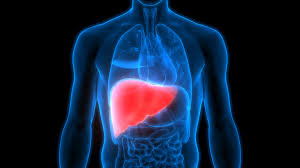
A major international study has found that semaglutide, a medication best known for treating type 2 diabetes and obesity, may halt-and even reverse-advanced liver disease in patients with metabolic dysfunction-associated steatohepatitis (MASH), a severe form of fatty liver disease closely linked to obesity and diabetes.
The phase 3 clinical trial, led by researchers at King’s College London and Virginia Commonwealth University, enrolled 800 participants across 37 countries. Over 72 weeks, patients received weekly injections of semaglutide or a placebo, alongside lifestyle counselling. The results, published in the New England Journal of Medicine, are being hailed as a potential game-changer for a condition that currently lacks effective drug treatments.
Key Findings
-
Liver Inflammation: 62.9% of patients receiving semaglutide showed a reduction in liver inflammation (steatohepatitis), compared to 34.3% in the placebo group.
-
Liver Fibrosis: 37% of semaglutide recipients experienced improvements in liver fibrosis (scarring), versus 22.4% among those given placebo.
-
Weight Loss and Metabolic Benefits: Patients on semaglutide lost an average of 10.5% of their body weight and saw significant improvements in liver enzyme levels and blood markers of fibrosis.
-
Side Effects: Gastrointestinal symptoms-including nausea, vomiting, diarrhea, and constipation-were more common in the semaglutide group, but most participants tolerated the drug well.
Expert Perspective
Professor Philip Newsome, one of the trial’s chief investigators, described the findings as “hugely exciting,” noting that MASH is a growing global health problem with few effective therapies. “This trial will provide real hope for patients with MASH. While these results must be treated with caution, the analysis shows semaglutide can be an effective tool to treat this advanced liver disease,” he said.
The Growing Burden of MASH
MASH, formerly known as non-alcoholic steatohepatitis (NASH), is an advanced form of metabolic dysfunction-associated steatotic liver disease (MASLD). It is linked to obesity, type 2 diabetes, and cardiovascular disease, and can progress to cirrhosis or liver cancer if left untreated.
Currently, there are no approved medications specifically for MASH, making these results particularly significant. Experts believe that if semaglutide is approved for this indication, it could become the first effective pharmacological treatment for a disease affecting millions worldwide.
Next Steps
Researchers plan to follow nearly 1,200 participants for up to five years to assess the long-term effects of semaglutide on liver health and complications. The manufacturer, Novo Nordisk, has indicated plans to seek regulatory approval for semaglutide’s use in treating MASH later this year.
“By treating both liver disease and its metabolic causes, semaglutide offers a promising new approach for millions of patients,” said Dr. Arun Sanyal, co-lead investigator.
Disclaimer:
Semaglutide is not currently approved for the treatment of MASH or MASLD. The findings described are based on clinical trial data and require further validation and regulatory review. Patients should not use semaglutide for liver disease without medical supervision. Always consult a healthcare professional before making any changes to your treatment plan.
Citations: