 0
0
 0
0
Kerala health authorities have intensified surveillance and contact tracing measures after a 57-year-old man from Palakkad district died on July 12, with preliminary tests indicating infection with the Nipah virus. The deceased had been undergoing treatment at a private hospital, and his samples tested positive for Nipah at Manjeri Medical College. However, the state is awaiting final confirmation from the National Institute of Virology in Pune.
This marks the second Nipah-related fatality in Kerala in recent days, following the death of a Malappuram native. Another patient from Palakkad district remains hospitalized with suspected Nipah infection.
In response to the latest suspected case, the government has ramped up field-level surveillance and contact tracing. Authorities have identified 46 people who came into contact with the deceased, using CCTV footage and mobile tower location data to compile the list. A detailed route map of the patient’s recent movements and a family tree have also been prepared to aid in tracing close contacts.
Health teams are conducting fever surveillance in the region to detect any possible symptoms among contacts. The total number of people on the Nipah virus contact list in Kerala has now reached 543, including those linked to the newly suspected case.
State Health Minister Veena George has instructed officials to strengthen response teams and has issued advisories urging residents in Palakkad and Malappuram districts to avoid unnecessary hospital visits. Only one bystander is allowed per patient, and mask-wearing is mandatory for all healthcare workers, patients, and companions at hospitals.
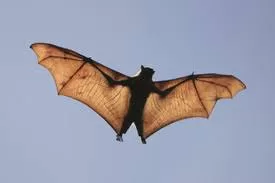
The World Health Organization describes Nipah as a zoonotic virus that spreads from animals to humans and can also be transmitted through contaminated food or direct human-to-human contact. The virus is known for its high mortality rate and potential for rapid spread.
Hospitals across six districts—Palakkad, Malappuram, Kozhikode, Kannur, Wayanad, and Thrissur—have been put on alert and directed to report any patients presenting with fever and symptoms resembling Nipah, such as encephalitis and high-grade fever.
Disclaimer:
The information reported here is based on preliminary test results and official statements as of July 14, 2025. Final confirmation of Nipah virus infection is pending results from the National Institute of Virology in Pune. Public health guidance may change as more information becomes available. Readers are advised to follow updates from official health authorities for the most current information.