 0
0
 0
0
New Delhi December 5, 2025
India is currently witnessing a sharp and concerning rise in viral fevers as the country grapples with a “double whammy” of erratic seasonal transitions and deteriorating air quality. Hospitals across major metros, particularly in North India, have reported a significant spike in outpatient visits for influenza-like illnesses (ILI) and severe acute respiratory infections (SARI) over the past fortnight. However, leading medical experts are raising a red flag not just about the viruses themselves, but about a dangerous parallel trend: rampant self-medication that is leading to widespread misdiagnosis and critical delays in treatment.
The Perfect Storm: Weather, Pollution, and Viruses
The surge is being driven by a convergence of environmental factors. The sudden shift from post-monsoon humidity to dry, cold winter air creates an ideal breeding ground for respiratory viruses.
“The sudden shift from humid to dry conditions after the monsoon creates the perfect environment for viruses to circulate,” explains Dr. Harshil Alwani, Consultant Pulmonologist at CK Birla Hospitals, Jaipur. “These weather swings directly affect our immunity and make infections spread more easily.”
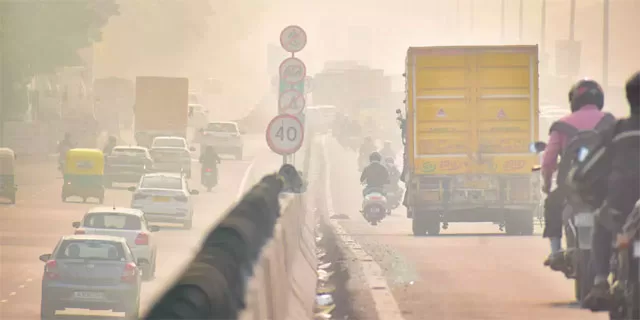
Compounding this seasonal vulnerability is the severe air pollution gripping cities like Delhi-NCR and Mumbai. Medical experts note that toxic air is doing more than just damaging lungs—it is acting as a catalyst for viral entry.
“When the respiratory lining is inflamed due to poor air quality, viruses attach and multiply more easily,” says Dr. Ekta Gupta, Professor of Virology at the Institute of Liver and Biliary Sciences (ILBS). “Falling temperatures combined with mucosal irritation from pollutants are amplifying infection rates significantly.”
H3N2 and RSV: The Dominant Strains
Unlike the common cold, the current wave of infections is characterized by greater severity and duration. Surveillance data indicates that Influenza A (H3N2) is a major driver of the current surge, alongside Respiratory Syncytial Virus (RSV) and Adenovirus.
Clinicians report that patients are presenting with high-grade fever (101°F-103°F) that persists for 3-5 days, accompanied by intense body aches, intractable dry coughs lasting weeks, and profound fatigue.
“This is not just seasonal flu,” warns Dr. Suranjit Chatterjee, Senior Consultant in Internal Medicine at Indraprastha Apollo Hospitals. “What we are seeing is an overlap of viral activity with pollution-related airway inflammation. Patients are taking much longer to recover, and the ‘lingering cough’ has become a hallmark of this season.”
The “Silent Epidemic” of Self-Medication
While the viral surge is manageable with proper care, doctors are alarmed by how patients are treating themselves before seeking professional help. A recent rise in the use of over-the-counter (OTC) antibiotics and potent painkillers without medical supervision is complicating recovery.
“People assume every fever is viral and pop antibiotics like Azithromycin or Amoxicillin indiscriminately,” says Dr. Alwani. “Antibiotics do not kill viruses. By using them unprescribed, patients are not only contributing to antibiotic resistance but also destroying their gut microbiome, which further lowers immunity.”
The dangers extend beyond ineffective treatment. In regions where vector-borne diseases like Dengue and Chikungunya are still circulating due to stagnant water, self-medicating with the wrong painkillers (NSAIDs like Ibuprofen or Aspirin) can be life-threatening. These drugs can interfere with platelet function and increase the risk of bleeding in undiagnosed Dengue cases.
“By the time patients come to us after days of self-medicating, many have complications that could have been prevented with early evaluation,” Dr. Alwani adds. “Painkillers often mask the fever pattern, making it harder for us to diagnose the root cause—whether it is H3N2, Dengue, or a bacterial superinfection.”
Vulnerable Groups at Highest Risk
The impact of this viral-pollution nexus is most visible in pediatric wards. Dr. Vivek Jain, Head of Pediatrics at Fortis Noida, notes a disturbing rise in children requiring nebulization and oxygen support.
“Children’s developing lungs are bearing the heaviest burden,” Dr. Jain states. “We are seeing cases where what began as a simple viral cough escalated into severe bronchiolitis or pneumonia because the child’s airways were already hyper-reactive due to pollution. Parents often delay bringing the child in, thinking it’s ‘just a flu,’ until the breathing becomes labored.”
The elderly and those with comorbidities like diabetes, heart disease, and COPD are also facing higher hospitalization rates. For these groups, a simple viral fever can rapidly deteriorate into pneumonia or exacerbate underlying conditions.
Practical Health Implications
In light of these developments, health authorities are urging the public to adopt a “symptom-aware” approach rather than a “pill-first” approach.
Key Recommendations for the Public:
-
No Antibiotics Without Prescription: Viral fevers are self-limiting and typically resolve with rest and hydration. Antibiotics are useless against them.
-
Monitor, Don’t Mask: If you have a fever, monitor its pattern. If it persists beyond 3 days, returns after subsiding, or is accompanied by breathlessness, seek medical help immediately.
-
Hydration is Key: Viral infections can lead to rapid dehydration. Focus on oral rehydration solutions (ORS), soups, and water.
-
Mask Up: In high-pollution zones, wearing an N95 mask outdoors serves a dual purpose: filtering toxic particles and reducing viral transmission.
As winter settles in, the convergence of viral activity and environmental stress poses a tangible public health challenge. The message from the medical community is clear: caution and consultation are far safer than self-prescription.
Medical Disclaimer
This article is for informational purposes only and should not be considered medical advice. Always consult with qualified healthcare professionals before making any health-related decisions or changes to your treatment plan. The information presented here is based on current research and expert opinions, which may evolve as new evidence emerges.
References
-
Study/News Source: India Today Health Desk. (2025, Dec 3). “Common fevers get misdiagnosed as self-medication rises, says doctor.” India Today.