 0
0
 0
0
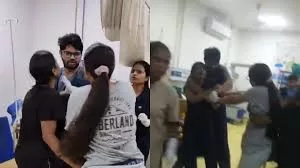
On the night of September 12, 2025, a confrontation erupted inside the labor room of Birsa Munda Medical College, Shahdol, Madhya Pradesh, when two intern doctors allegedly assaulted a female colleague over a dispute regarding duty hours. The incident, captured on CCTV and widely circulated via social media, quickly prompted both outrage and renewed scrutiny of hospital safety protocols in India. In response, the medical college administration has formed an investigative committee, and the victim, supported by staff, has formally demanded disciplinary action for the accused interns.
Incident Details and Immediate Response
According to college authorities and media reports, the altercation occurred during a particularly busy shift and was witnessed by nurses, security personnel, and other hospital employees. The clash, involving physical aggression and verbal abuse, is just the latest in a series of reported disputes linked to extended work hours and on-call stress among junior medical staff. Dr. Nagendra Singh, Medical Superintendent, confirmed that a probe is underway, promising a report and appropriate action by the start of the coming week.
Violence Against Doctors: An Alarming Trend
Unfortunately, incidents like the Shahdol scuffle are not isolated. Recent peer-reviewed studies and national surveys reveal a growing epidemic of workplace violence against healthcare professionals in India. A nationwide study found that nearly 75% of doctors have experienced some form of workplace violence, with almost half reporting incidents in the past six months. Government hospitals, like Shahdol Medical College, show the highest prevalence, with departments such as Obstetrics and Gynecology frequently affected.
Teaching hospitals reported lower rates (26.9%) and private hospitals the lowest (9.6%), highlighting systemic gaps in public hospital infrastructure and safety protocols. Most incidents (about 87%) involve verbal abuse, but cases of physical assault—especially against younger doctors and women—are rising.
Causes and Contributing Factors
Experts point to multiple factors driving these violent episodes:
-
Excessive work hours: Junior doctors often report shifts exceeding 24–36 hours with few breaks
-
Poor security and infrastructure: Many hospital wards lack adequate security personnel and surveillance systems.
-
High patient loads and resource constraints: Government facilities frequently operate at or above capacity, fueling stress among doctors and patients alike.
-
Communication breakdowns: Studies cite inadequate doctor-patient communication and unrealistic expectations from patients’ families as common triggers.
-
Lack of clear legal protection: Unlike other sectors, healthcare workers in India lack robust occupational health and safety legislation tailored to their needs.
Expert Perspectives
Dr. SSK Dora, a researcher on workplace violence, emphasizes, “The rise in violent incidents has reached epidemic proportions. Doctors are increasingly concerned about their safety, which urgently calls for stricter enforcement of existing laws and improved hospital protocols.”
Commenting on the broader implications, Dr. Sengupta (G.M Medical College Hospital, Jharkhand) said, “For women doctors especially, the combination of inadequate security and medical hierarchy makes the workplace hostile. Incidents like those at Shahdol reflect the urgent need for systemic change to protect hospital staff.
Context and Background
The Indian Medical Association has repeatedly warned of the psychological toll that violence imposes on doctors, with approximately 43% identifying workplace violence as their leading source of occupational stress. The problem is not unique to India; healthcare professionals around the world face similar risks. However, the frequency and scale of incidents reported from Indian government hospitals are particularly concerning.
In 2020, the Indian government enacted an ordinance to penalize acts of violence against healthcare workers, proposing up to seven years imprisonment and fines up to ₹5 lakhs, yet implementation and awareness remain inconsistent.
Implications for Public Health
-
Impact on Care Quality: Recurrent violence can undermine hospital morale, reduce staff retention, and disrupt patient management.
-
Mental Wellbeing: Doctors subject to violence experience greater psychological distress, burnout, and job dissatisfaction.
-
Recruitment and Retention: Surveys show over 60% of medical students consider leaving India to escape dangerous work environments.
Hospitals face escalating challenges in recruiting and retaining skilled professionals, placing additional strain on an already overstretched system.
Practical Implications for Readers
If seeking care at busy hospitals, understanding the stresses faced by healthcare workers can foster greater empathy and constructive communication. For medical trainees, awareness of workplace safety policies and assertive reporting protocols is essential. Encouraging dialogue and mutual respect benefits both patient outcomes and provider safety.
Counterarguments and Limitations
Some critics argue that blaming systemic hospital issues alone overlooks the need for individual accountability and better conflict resolution training. Not all incidents are linked to structural failings; interpersonal dynamics, inadequate soft skills, and poor incident reporting can also play a role. Moreover, there is limited data on the effectiveness of legal remedies and hospital-led prevention strategies, meaning more research and transparent reporting are needed.
Conclusion
The Shahdol Medical College incident serves as a stark reminder of the persistent safety risks facing India’s healthcare community. While authorities have pledged action, sustainable change will require comprehensive reforms, including stricter legislation, enhanced security, improved communication training, and greater institutional accountability. Only then can hospitals become safer—both for doctors and those they serve.
Medical Disclaimer:
This article is for informational purposes only and should not be considered medical advice. Always consult with qualified healthcare professionals before making any health-related decisions or changes to your treatment plan. The information presented here is based on current research and expert opinions, which may evolve as new evidence emerges.
References
- https://medicaldialogues.in/news/health/doctors/scuffle-at-shahdol-medical-college-interns-accused-of-attacking-female-doctor-155252