 0
0
 0
0
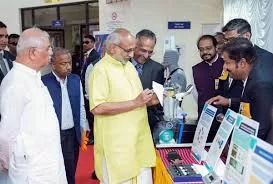
In a commendation of government-led healthcare innovation, Vice President C. P. Radhakrishnan praised the Sree Chitra Thirunal Institute for Medical Sciences and Technology (SCTIMST) in Thiruvananthapuram on November 4 for its pioneering contributions to affordable medical technologies and patient care. Addressing an audience following an exhibition of the institute’s indigenous medical devices, Radhakrishnan highlighted SCTIMST as a model for public institutions across India.
SCTIMST’s Achievements and Innovations
SCTIMST has impacted the lives of nearly two lakh patients who have undergone heart valve surgeries at its facilities, underscoring its expertise in cardiac care. The institute’s portfolio includes 53 biomedical projects at various development stages, 19 design registrations, 35 technology transfers, and numerous patents, demonstrating leadership in India’s medical technology sector.
A notable achievement is the development of a second-generation indigenous heart valve, with 40 patients having already benefited from this innovation. The widely used Chitra blood bag, developed at SCTIMST, is now a staple across hospitals in India and Asia, exemplifying the institute’s commitment to high-quality solutions at accessible costs. Additionally, devices such as vascular stents and ventricular assist systems developed here are poised for broader availability to Indian patients at affordable prices.
Expert Insights and Institutional Impact
Vice President Radhakrishnan emphasized the alignment of SCTIMST’s work with the national “health for all” vision, noting the successful translation of research into socially impactful healthcare technologies. He described the institute’s achievements as a testament to how public research institutions can transform healthcare delivery through innovation and societal dedication.
Governor Rajendra Vishwanath Arlekar affirmed SCTIMST’s role in embodying India’s self-reliance ethos by providing advanced, indigenous medical solutions to the public. The gathering also included prominent dignitaries such as Union Minister Suresh Gopi, State Finance Minister K. N. Balagopal, and SCTIMST Director Dr. Sanjay Behari.
Public Health Implications
SCTIMST’s innovations demonstrate the critical importance of fostering indigenous medical research to enhance health equity. Affordable heart valves, blood bags, and emerging cardiovascular devices enable wider patient access to life-saving interventions, which is vital in a country with diverse socioeconomic strata. The replication of such models could help bridge gaps in rural and underserved urban healthcare infrastructure.
Balanced Perspective and Future Outlook
While SCTIMST’s progress is commendable, sustained government support and steady investment in research infrastructure remain essential for continuous innovation. Also, ensuring regulatory approvals and post-market surveillance is crucial to maintain patient safety and device efficacy. The broader integration of these technologies into public health programs will require coordinated policies and public-private partnerships.
In conclusion, SCTIMST stands as a beacon of how government institutions can lead in medical technology advancements, improving affordability and accessibility. This model holds promise for driving India closer to universal health coverage goals through innovation rooted in societal needs.
Medical Disclaimer: This article is for informational purposes only and should not be considered medical advice. Always consult with qualified healthcare professionals before making any health-related decisions or changes to your treatment plan. The information presented here is based on current research and expert opinions, which may evolve as new evidence emerges.
References:
- https://tennews.in/sctimst-an-inspiration-for-government-institutions-vice-president-radhakrishnan/