 0
0
 0
0
Mizoram is witnessing a concerning surge in scrub typhus cases, signaling a major public health alert for residents and healthcare authorities in the state. The rise, which experts warn has reached endemic proportions, underscores the urgent need for greater awareness, preventive measures, and timely medical intervention to mitigate risks and prevent fatalities.
What’s Happening: Mizoram’s Scrub Typhus Surge
Since 2012, government healthcare facilities in Mizoram have documented 913 confirmed cases of scrub typhus, resulting in 34 reported deaths. Health officials caution that the actual caseload could be significantly higher if data from private hospitals and clinics were also taken into account. The state’s epidemiological landscape began shifting after the flowering of the “Mautak” (Melocanna baccifera) bamboo between 2006 and 2008, which triggered a spike in the local rodent population—key carriers of the disease.
Notably, around 30% of new scrub typhus cases are now emerging from urban areas of Mizoram, particularly within the Aizawl Municipal Corporation, indicating the disease’s spread beyond rural settings. Following another episode of bamboo flowering this year—of the “Rawthing” (Bambusa tulda) species—Mizoram faces a renewed wave of rodent activity linked directly to increased disease transmission.
Understanding Scrub Typhus: Key Facts
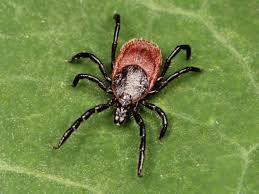
Scrub typhus is caused by the bacterium Orientia tsutsugamushi and transmitted to humans via bites from infected larval mites (chiggers) that often feed on rodents. Symptoms usually appear about 10 days after infection and may include:
-
High fever with chills and headaches
-
Body aches and possible rash
-
A distinctive black scab (eschar) at the bite site, helpful in diagnosis
-
In severe cases, complications can involve organ failure or neurological symptoms such as meningitis or encephalitis.
If left untreated, the disease can be fatal, especially among vulnerable groups such as children, the elderly, or immunocompromised individuals.
Nationwide Context and Epidemiology
Scrub typhus is an underrecognized but significant public health problem across India and the wider Asia-Pacific. Recent data suggest:
-
Up to 10% of rural populations in endemic Indian states may be infected annually.
-
The infection causes nearly 30% of fever-related hospitalizations in some regions, surpassing malaria, dengue, and typhoid as primary causes of acute febrile illness.
-
In India, thousands of cases and multiple deaths have been reported, notably in Himachal Pradesh, Odisha, Rajasthan, and now the northeastern states including Mizoram.
Expert Commentary
Dr. Carol Devamani, an epidemiologist at Christian Medical College Vellore, notes: “Despite its treatable nature, scrub typhus often goes unrecognized as a cause of fever, leading to delayed treatment and preventable deaths. Improved diagnostic access in the community is essential for lowering hospitalizations and fatalities.”
Dr. Wolf-Peter Schmidt from the London School of Hygiene & Tropical Medicine adds, “There is a critical need to inform communities and clinicians about scrub typhus’ dangers and the necessity of early diagnosis and therapy.”
Local experts in Mizoram are also warning citizens to avoid any direct contact with rodents, alive or dead, and to take personal and community protective measures seriously.
Prevention and Practical Advice
-
Avoid contact with rodents, especially in areas of known outbreaks.
-
Wear long-sleeved clothing and trousers when venturing into grassy or bushy areas.
-
Use insect repellents containing DEET or permethrin on skin and clothes.
-
Implement community rodent control measures and clear vegetation around living areas to reduce mite habitats.
-
Practice good hygiene after outdoor activities.
Currently, there is no vaccine against scrub typhus, making personal and community protective measures crucial.
Diagnosis and Treatment
Rapid recognition and antibiotic treatment are central to recovery. Doxycycline is considered the first-line treatment; other antibiotics such as azithromycin and rifampicin may be recommended based on patient profile and possible resistance. Treatment should start as soon as scrub typhus is suspected to minimize complications.
Limitations and Challenges
-
Misdiagnosis is common, as symptoms mimic many other tropical infections (dengue, malaria, typhoid).
-
Lack of rapid diagnostic facilities in rural and peri-urban areas hampers early care.
-
Co-infections with other febrile illnesses can complicate treatment and increase the healthcare burden.
Implications for Public Health
The recurring outbreaks in Mizoram echo broader national trends—a need for integrated disease surveillance, improved public education, and bolstered clinical capacity to address febrile illnesses in endemic regions. Public health authorities stress ongoing vigilance as changing ecological conditions (such as bamboo flowering cycles) may prompt further outbreaks if left unaddressed.
Conclusion
Mizoram’s scrub typhus surge highlights the pressing importance of community awareness, timely medical care, and robust public health infrastructure in responding to vector-borne diseases. Early action and prevention remain the most effective tools to curb the impact of this neglected yet treatable infection.
Medical Disclaimer
“Medical Disclaimer: This article is for informational purposes only and should not be considered medical advice. Always consult with qualified healthcare professionals before making any health-related decisions or changes to your treatment plan. The information presented here is based on current research and expert opinions, which may evolve as new evidence emerges.”
References
- https://medicaldialogues.in/news/health/mizoram-faces-scrub-typhus-surge-warn-health-experts-155971