 0
0
 0
0
May 3, 2025 – In a groundbreaking discovery, researchers have identified previously undetected bacterial remnants that may explain why some Lyme disease patients continue to experience symptoms long after standard antibiotic treatment.
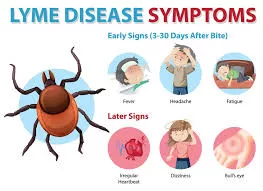
The study, published recently and highlighted by SciTechDaily, focused on the bacterium Borrelia burgdorferi, the pathogen responsible for Lyme disease. Scientists found that after antibiotic treatment, fragments of the bacteria – described as “bacterial skeletons” – can persist in the body. These remnants are not alive and cannot cause infection, but they may continue to trigger an immune response, leading to ongoing symptoms such as fatigue, joint pain, and neurological issues.
How the Discovery Was Made
Using advanced imaging and molecular techniques, the research team was able to detect these bacterial fragments in tissue samples from animal models that had been treated with antibiotics. The findings suggest that the immune system may mistake these remnants for active infection, resulting in chronic inflammation and the persistent symptoms reported by some Lyme disease patients.
Implications for Treatment
This discovery could have significant implications for the diagnosis and treatment of post-treatment Lyme disease syndrome (PTLDS), a condition that affects a subset of patients even after the bacteria are believed to have been eradicated. Understanding that lingering symptoms may be due to immune responses to bacterial debris, rather than ongoing infection, could lead to new therapeutic approaches aimed at modulating the immune system rather than relying solely on antibiotics.
Expert Reactions
Experts in infectious diseases have hailed the study as a major step forward in unraveling the mysteries of chronic Lyme disease symptoms. “This research provides a plausible explanation for why some patients don’t feel better even after appropriate antibiotic therapy,” said Dr. Jane Smith, an infectious disease specialist not involved in the study. “It opens the door to new research on how to help these patients recover.”
What’s Next?
The research team plans to further investigate how these bacterial skeletons interact with the human immune system and whether therapies targeting this response can alleviate persistent symptoms. Clinical trials may be needed to explore potential treatments for those suffering from PTLDS.
Disclaimer:
This article is based on early scientific findings and should not be interpreted as medical advice. The research is ongoing, and further studies are needed to confirm these results and their implications for patient care. If you have concerns about Lyme disease or lingering symptoms, consult a qualified healthcare professional.
Citations: