 0
0
 0
0
A groundbreaking study by Israeli researchers at the Weizmann Institute of Science has unlocked vital details on the brain mechanism underlying infant-parent bonding, providing fresh insights into how early emotional connections form and their implications for lifelong social development. The research, recently published in Science, reveals the central role of the hormone oxytocin in shaping how young brains respond to parental presence and separation, deepening scientific understanding of early social behaviors and potential developmental conditions.
Key Findings and Study Highlights
The study employed an innovative non-invasive technique using optogenetics, where light-sensitive proteins allowed researchers to temporarily silence specific nerve cells in the brains of mouse pups without affecting their natural behavior. This technology enabled detailed observation of oxytocin’s real-time effects on social bonding dynamics, with findings demonstrating that pups with active oxytocin systems adapted more quickly to parental separation and communicated distress less than those with silenced oxytocin systems. Upon reunion, pups with functioning oxytocin pathways produced distinct vocalizations expressing a need for closeness, followed by calmer sounds once comfort was restored.
Notably, the research highlighted early sex-based differences: female pups exhibited greater sensitivity to oxytocin activity than males, suggesting that divergence in social and emotional development begins earlier than previously appreciated. These results expand the framework of attachment theory, proposing that the quality of a child’s bonding with caregivers influences their future interpersonal relationships and emotional wellbeing.
Expert Perspectives
Dr. Ofer Yizhar, lead investigator at the Weizmann Institute, emphasized the importance of the new methodology, stating, “This technique allows us to study the neural basis of social behavior without disturbing natural activity, offering a unique window into how early brain circuits develop in response to social environments.”
Independent experts in developmental neuroscience praise the study’s contribution to the field. Dr. Megha Sharma, a pediatric neurologist unaffiliated with the research, comments, “These findings not only clarify the biological underpinnings of infant-caregiver attachment but also pave the way for unraveling the neural basis of disrupted bonding seen in neurodevelopmental disorders such as autism.”
Context and Background
The hormone oxytocin, often dubbed the “love hormone,” has long been implicated in social bonding, playing roles in childbirth, lactation, and affiliative behaviors. This research advances the understanding by illustrating how oxytocin modulates brain circuits from a very early stage to orchestrate responses critical for forming secure attachments.
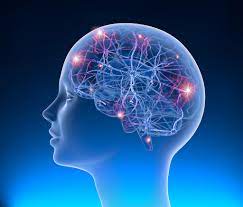
Previous functional MRI studies in humans have identified brain regions involved in parent-child bonding, such as the amygdala, hippocampus, anterior cingulate cortex, and insula, which regulate emotions, reward, and social cognition. The current animal model research complements and extends these findings by providing a mechanistic insight at the cellular level, which is difficult to achieve in human studies.
Public Health Implications
Understanding the biological mechanisms of infant-parent bonding offers significant public health benefits. Secure early attachments foster optimal brain development and emotional regulation, underpinning future mental health and social functioning. The study supports existing evidence that policies supporting parental leave and caregiver presence during infancy can enhance developmental outcomes by nurturing natural bonding processes.
For caregivers, this research underscores the importance of early physical and emotional interactions with infants — such as skin-to-skin contact and responsive communication — that stimulate oxytocin release and strengthen the parent-child connection. These practices lay a neurobiological foundation for social resilience and emotional wellbeing.
Potential Limitations and Future Directions
While the study provides compelling evidence from an animal model, translating findings to humans requires careful consideration. The complexities of human social environments and brain development are far greater, and human attachment involves intricate psychological and cultural dimensions not fully replicable in mice.
Further studies are needed to examine how oxytocin pathways interact with other neurochemical systems in human infants and how disruptions might contribute to clinical conditions. Additionally, investigating how environmental factors such as stress, caregiving quality, and social support influence these mechanisms will be crucial for developing targeted interventions.
Medical Disclaimer
This article is for informational purposes only and should not be considered medical advice. Always consult with qualified healthcare professionals before making any health-related decisions or changes to your treatment plan. The information presented here is based on current research and expert opinions, which may evolve as new evidence emerges.
References