 0
0
 0
0
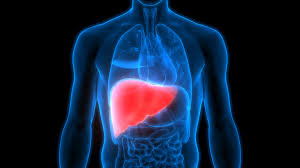
In a breakthrough that could reshape our understanding of the human body, researchers have discovered that the human liver largely remains biologically young—regardless of age. Whether a person is 20 or 80, their liver averages under three years old in biological terms, thanks to remarkable cellular renewal.
A multinational team led by Dr. Olaf Bergmann at the Center for Regenerative Therapies Dresden (CRTD), TU Dresden, unraveled this phenomenon. Their findings, published in the journal Cell Systems, suggest that as other organs age and their function declines, the liver maintains its youth by replenishing its cells nearly every year. This constant renewal helps the liver, which is responsible for vital functions such as detoxification, to withstand frequent injuries and toxic exposures throughout life.
Dr. Bergmann and his colleagues analyzed livers from individuals who died at ages between 20 and 84. Surprisingly, regardless of the individual’s age, the liver cells’ biological age was found to be universally youthful, averaging just under three years old.
“The liver stays on average just under three years old, no matter if you are 20 or 84,” Dr. Bergmann commented, highlighting the organ’s exceptional capacity for self-renewal.
However, not all liver cells are equally youthful. A small fraction, characterized by carrying extra sets of DNA, can survive for up to ten years. These polyploid cells—cells with more than the standard two sets of chromosomes—tend to accumulate with age and are believed to play a protective role, potentially safeguarding the organ from harmful mutations.
“Typical liver cells renew approximately once a year, while cells richer in DNA can reside in the liver for up to a decade,” explained Dr. Bergmann. “As this fraction gradually increases with age, it could act as a protective mechanism.”
This discovery not only answers a long-standing question about liver regeneration but also opens new avenues for understanding and treating liver conditions, including chronic diseases and cancer.
“Studying cell renewal directly in humans is technically very challenging but it can provide unparalleled insights into organ regeneration,” Dr. Bergmann concluded.
Disclaimer: The information in this article is based on current scientific research and is intended for educational and informational purposes only. It is not a substitute for professional medical advice, diagnosis, or treatment. Always consult a qualified healthcare provider with any questions you may have regarding a medical condition.