 0
0
 0
0
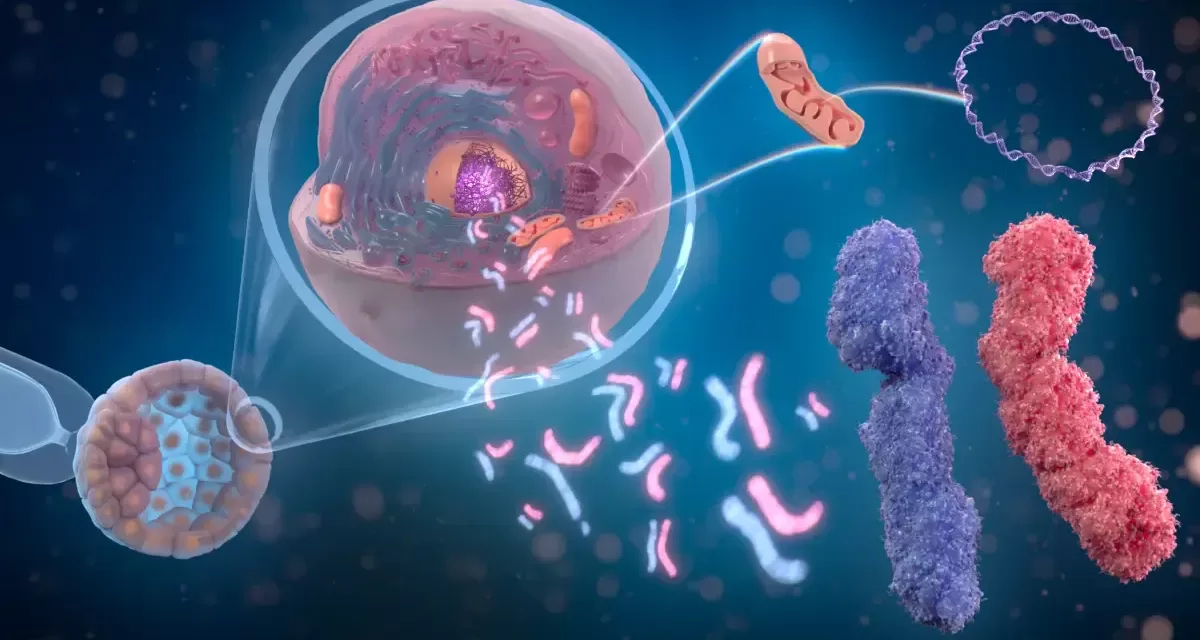
A recent breakthrough study has uncovered a rare genetic mutation that appears to make people nearly immune to a broad range of viral infections. Originally considered a vulnerability, this mutation, involving deficiency in the interferon-stimulated gene 15 (ISG15), instead keeps the immune system in a constant antiviral “alert mode,” offering a form of natural, near-universal protection against viruses like influenza, measles, and even SARS-CoV-2. Researchers have now successfully mimicked this mutation in laboratory animals using mRNA-based therapy, paving the way for potential novel antiviral treatments and new strategies for pandemic preparedness.
Key Findings and Research Context
The mutation at the center of this discovery is a deficiency in the ISG15 gene. First identified over a decade ago by Columbia University immunologist Dr. Dusan Bogunovic, it was initially thought to increase susceptibility to certain bacterial infections. However, researchers found patients with this mutation showed remarkable resistance to viral diseases. Despite exposure to common viral infections such as flu, chickenpox, measles, and mumps, these individuals either experienced mild symptoms or remained asymptomatic.
The ISG15 mutation causes a mild, ongoing inflammation but crucially maintains elevated, low-level activation of multiple antiviral proteins all the time. This state of “permanent defense” differs substantially from typical immune responses, which activate only after viral infection occurs. The mutation essentially acts as a 24/7 security alarm for the body’s antiviral system, limiting viral replication and spread at multiple stages.
Using a technique similar to the mRNA technology applied in current COVID-19 vaccines, Dr. Bogunovic and colleagues recreated this ISG15 deficiency temporarily in mice and hamsters. Treated animals produced a set of 10 key proteins responsible for blocking viral infections early, including protection against SARS-CoV-2. Impressively, viruses tested so far could not overcome this newly induced antiviral barrier, and the treatment did not interfere with other immune functions. The protective effect, while transient, lasted up to four days in lab animals, suggesting potential for short-term immunity enhancement in high-risk groups such as healthcare workers during outbreaks.
Expert Perspectives
Dr. Bogunovic emphasized the broad implications of the finding: “If we could produce this type of light immune activation in other people, we could protect them from just about any virus.” This observation points to an innovative avenue beyond traditional vaccines, which typically target specific pathogens.
Immunology experts not involved in the study note the significance of maintaining a mild, controlled inflammatory response to continually fortify viral defenses, avoiding the harmful effects of excessive inflammation. Dr. Helen Marks, a virologist at a leading medical research institution, commented: “This research highlights a fascinating natural genetic mechanism of broad-spectrum antiviral defense. Harnessing this safely in humans could reinvent how we manage viral diseases, especially emerging pathogens.”
Public Health Implications
The potential to induce short-term, broad viral immunity opens new doors in infection control. In frontline healthcare settings and during the early phases of a pandemic when specific vaccines may not be available, mRNA-based therapies mimicking ISG15 deficiency might offer crucial protective windows.
Furthermore, broad-spectrum antiviral immunity might mitigate impacts of seasonal illnesses such as influenza or unexpected outbreaks of new viruses. This strategy could reduce hospitalizations and mortality, especially among vulnerable populations.
Though promising, the approach is not without caveats. The persistent low-level inflammation caused by natural ISG15 deficiency, while tolerable in rare patients, may have unknown risks when induced artificially, especially over repeated or longer durations. Researchers stress the need for extensive safety testing before clinical applications. Moreover, the therapy currently offers only temporary protection, requiring further development for sustained immunity.
Limitations and Balanced View
While the recreated mutation showed robust protection in animal models, human biology is complex and translating these results requires cautious optimism. The ISG15 mutation also compromises defense against certain bacterial infections, illustrating that any therapy must strike a delicate balance to avoid unintended vulnerabilities.
In addition, the protective window lasting days is a short-term measure rather than a permanent cure, aiming to supplement—not replace—existing vaccination strategies. Scientists are working to refine delivery methods and dosing in hopes of reducing inflammation while maintaining antiviral efficacy.
Conclusion
This discovery of a rare mutation conferring near-universal antiviral immunity, now replicated via mRNA technology in animals, marks a paradigm shift in antiviral research. It opens possible new frontiers for broad, temporary protection against viral infections and pandemic preparedness. However, careful evaluation of safety, efficacy, and long-term impacts in humans remains critical.
Medical Disclaimer
This article is for informational purposes only and should not be considered medical advice. Always consult with qualified healthcare professionals before making any health-related decisions or changes to your treatment plan. The information presented here is based on current research and expert opinions, which may evolve as new evidence emerges.
References