 0
0
 0
0
In the heart of Brazil’s Amazon rainforest, indigenous communities along the Tapajós River are confronting a growing health crisis linked to illegal gold mining. Years of unauthorized mining activity have contaminated local rivers with mercury, a potent neurotoxin, raising concerns about unexplained disabilities among young children born in these areas. A groundbreaking multi-year study led by Brazilian public health researchers is now underway to establish a direct causal connection between mercury exposure from gold mining and developmental disabilities in infants and children within these communities.
Key Findings and Developments
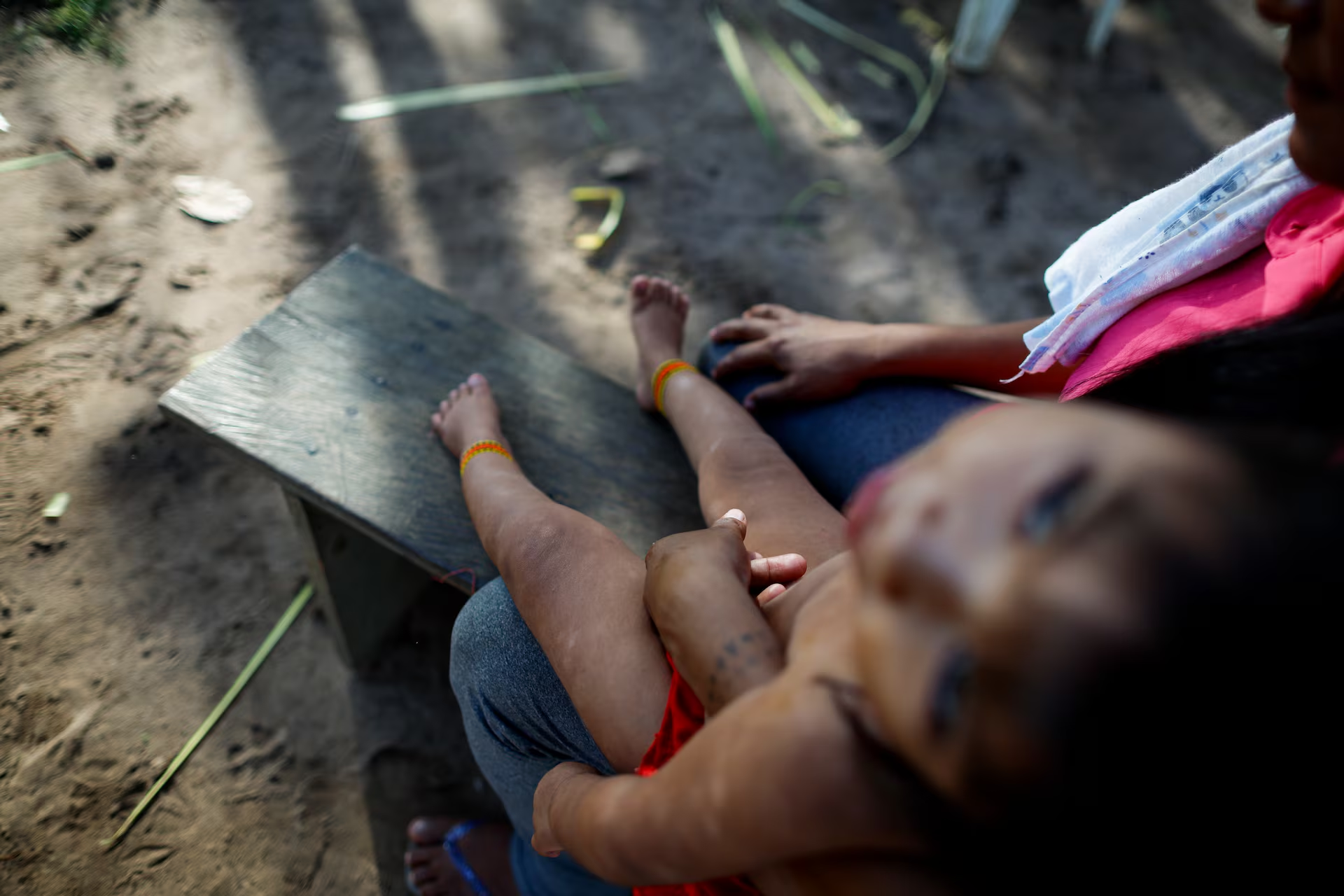
Preliminary data from the study highlight at least 36 individuals, mostly young children, exhibiting neurological disorders that cannot be explained by genetic factors alone. These disorders range from muscle spasms and difficulty lifting the head, as seen in three-year-old Rany Ketlen from the Munduruku tribe, to more severe brain malformations and cognitive impairments. Research teams are conducting longitudinal assessments of both expectant mothers and children exposed to mercury contamination, collecting valuable data on the spectrum of neurological issues linked to this exposure, including memory loss, attention deficits, and motor function problems.
Dr. Lunielle Da Cruz Caldeira, a pediatric neurologist involved in the study, emphasized the significance of this work: “We are successfully conducting a longitudinal study assessing both pregnant women and children exposed to mercury contamination. This population is at risk, and until now, we have not been able to recognize or identify the possible indicators resulting from this exposure”.
Context and Background Information
Mercury is widely recognized as one of the most dangerous chemicals to human health, particularly for developing fetuses and young children. Small-scale gold mining uses mercury to amalgamate gold particles, which subsequently contaminate nearby water bodies. This contamination bioaccumulates in fish, a dietary staple for indigenous Amazonian populations, leading to chronic mercury exposure primarily through fish consumption.
Historical evidence from the Minamata Bay disaster in Japan demonstrated the severe effects of prenatal methylmercury exposure, including microcephaly, cerebral palsy, and other neurological deficits in newborns, even when mothers showed no symptoms of poisoning. Contemporary studies in Amazonian communities have similarly shown high mercury levels in hair samples of children, correlated with impaired neurological development affecting motor skills, attention, and visuospatial cognition.
Implications for Public Health
The ongoing study’s findings could provide the missing scientific link establishing mercury as a causative agent for neurological disabilities in these indigenous populations. Such evidence would underscore urgent public health needs: mitigating mercury pollution from illegal gold mining, protecting vulnerable communities’ diet and environment, and improving prenatal and pediatric healthcare in the region.
Moreover, these findings contribute to a broader understanding of environmental justice and human rights, as indigenous groups disproportionately bear the burden of contamination due to reliance on contaminated river ecosystems for sustenance. The United Nations Special Rapporteur on Toxics highlighted this as a critical issue, linking mercury pollution from gold mining to long-term health consequences for mothers and children.
Potential Limitations and Counterarguments
While this study aims to conclusively demonstrate causality between mercury exposure and disabilities, challenges remain. The complexity of isolating mercury’s effects from other environmental and genetic factors requires rigorous scientific methods and long-term data. Additionally, some past epidemiologic studies (such as the Seychelles study) showed no adverse neurodevelopmental outcomes from mercury exposure, though these results may differ due to exposure levels and environmental contexts.
Practical Implications for Daily Health Decisions
For residents in the Amazon and similar environments, limiting consumption of mercury-contaminated fish and advocating for environmental protections are critical steps to reduce exposure risks. Healthcare providers should be aware of potential signs of mercury poisoning in children and pregnant women, such as developmental delays and neurological symptoms, to facilitate early diagnosis and intervention.
Public health authorities and policymakers are urged to address illegal gold mining activities and mercury pollution to prevent further harm and support affected communities through healthcare access and environmental remediation.
Medical Disclaimer: This article is for informational purposes only and should not be considered medical advice. Always consult with qualified healthcare professionals before making any health-related decisions or changes to your treatment plan. The information presented here is based on current research and expert opinions, which may evolve as new evidence emerges.
References
-
Reuters Investigative Report: “Scientists try to prove link between Amazon gold mining and disabilities in babies,” November 1, 2025.