 0
0
 0
0
In a landmark discovery announced this week, researchers have identified a new hereditary condition that significantly impairs the body’s ability to repair DNA, increasing the risk of developing blood cancers. The findings, published on June 16, 2025, highlight the critical role of DNA repair mechanisms in maintaining genomic stability and preventing cancer.
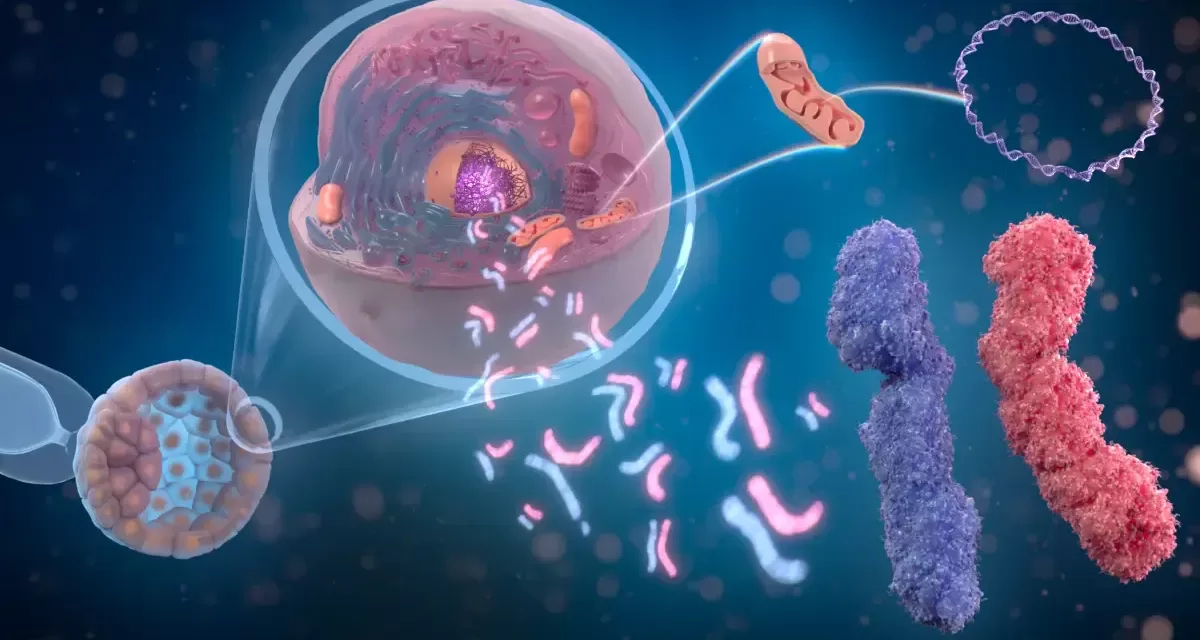
The condition, which is inherited, leaves affected individuals more vulnerable to accumulating DNA damage over time. This persistent damage can lead to harmful mutations in blood stem cells, which are especially susceptible to such errors. When these damaged cells divide, they can pass on mutations to their offspring, creating a growing population of abnormal cells that may eventually develop into blood cancers.
Recent studies have shown that blood stem cells can harbor DNA damage for several years, providing multiple opportunities for mutations to arise and proliferate. This process, known as clonal hematopoiesis, is also seen in other genetic disorders and increases the likelihood of malignancies. The newly discovered condition further underscores the complex interplay between inherited genetic factors and the development of cancer.
“This discovery opens new avenues for understanding the genetic basis of blood cancers and could lead to improved screening and targeted therapies for at-risk individuals,” said a lead researcher involved in the study. The identification of this hereditary condition may also help families with a history of unexplained blood cancers find answers and receive more personalized medical care.
Ongoing research aims to clarify the specific genetic mutations involved and to develop strategies for early detection and intervention. Scientists hope that a better understanding of these mechanisms will pave the way for more effective treatments and preventive measures for those affected by similar hereditary disorders.
Disclaimer:
This article is based on information available as of June 2025 from reputable medical news sources. While efforts have been made to ensure accuracy, readers are advised to consult healthcare professionals for diagnosis, treatment, and personalized medical advice. The content is not intended to be a substitute for professional medical guidance.