 0
0
 0
0
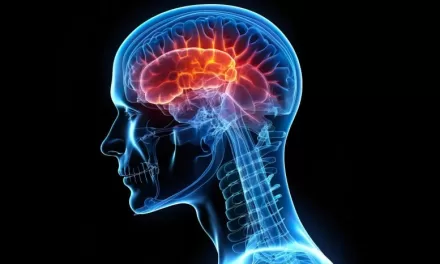
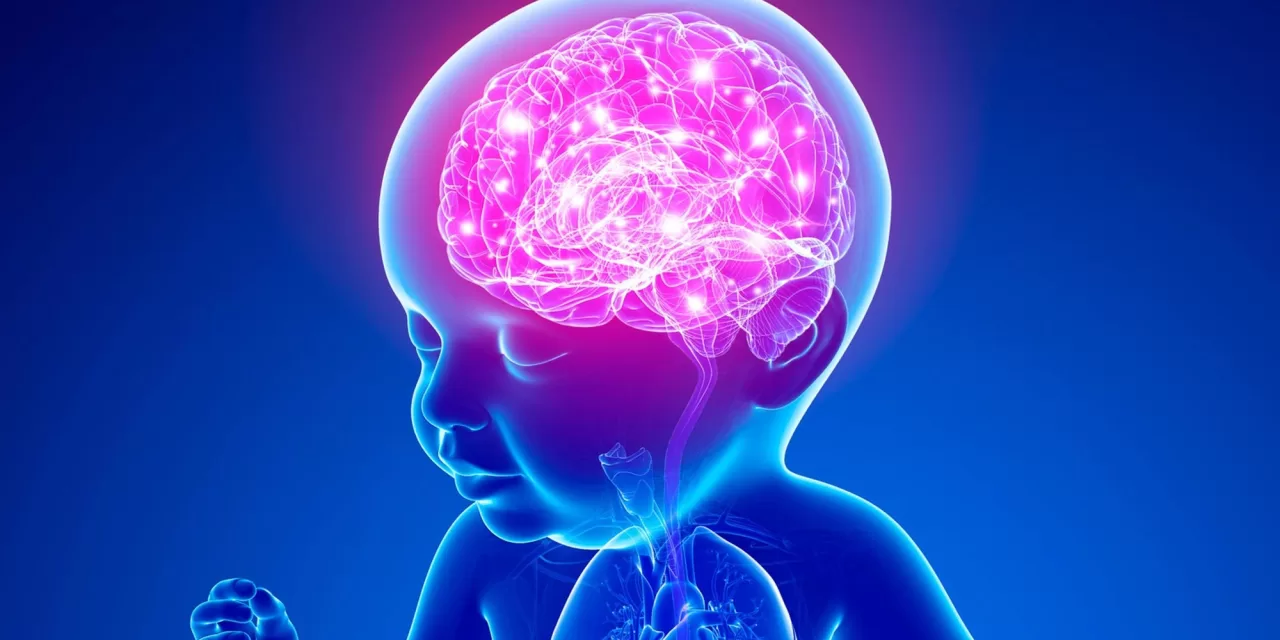
Researchers from Columbia University and McGill University have identified a brain chemical, SGK1 (serum and glucocorticoid-regulated kinase 1), as a key biological link between childhood trauma and increased risk of depression and suicidal behavior. Elevated levels of SGK1 were found in the brains of adults who died by suicide, particularly among those with histories of early-life adversity, with up to twice the concentration compared to suicide victims without such trauma. This discovery opens potential pathways for new antidepressant treatments targeting SGK1, offering hope especially for patients resistant to conventional selective serotonin reuptake inhibitors (SSRIs).
Key Research Findings
The latest study examined postmortem brains of suicide victims and observed significantly elevated SGK1 levels, with the highest levels in individuals known to have experienced childhood trauma. Decades of earlier research by Anacker and colleagues had already noted increased SGK1 protein presence in blood samples of unmedicated depressed individuals, indicating SGK1’s role as a stress-responsive protein involved in mood regulation. Genetic studies further showed that children carrying specific variants linked to higher SGK1 expression were more prone to developing depression during adolescence.
Experiments in animal models supported these human findings: administering SGK1 inhibitors prevented depressive-like behaviors in mice subjected to chronic stress. Beyond depression, SGK1 levels are being explored as a biomarker for suicide risk and treatment resistance, especially among those exposed to childhood neglect or abuse. SGK1 inhibitors are reportedly already under investigation for other diseases, such as atrial fibrillation, with clinical trials planned to test their efficacy in mood disorders.
Expert Perspectives
Dr. Alex Anacker, senior neuroscientist involved in the research, emphasized the urgency of these findings due to the large population affected by early childhood adversity and subsequent mental health challenges. “There’s an urgent need to identify and treat people with the greatest risk of depression and suicide after exposure to early life adversity, and SGK1 is a promising avenue to explore,” said Anacker. Independent experts in psychiatry and neurobiology underscore the conventional limitations of current antidepressants, which often fail patients with trauma-related depression, making SGK1 a potentially transformative therapeutic target.
Context on Depression and Trauma Biology
Depression is a complex disorder influenced by genetic, environmental, neurochemical, and psychosocial factors. Trauma experienced in childhood is a well-known risk factor for developing depression and suicidal behavior later in life. While traditional antidepressants commonly target neurotransmitters such as serotonin, dopamine, and norepinephrine, this new research highlights SGK1 as a separate and critical molecular player in the stress response pathway.
SGK1 is a stress-responsive kinase that modulates cellular functions, including neuronal signaling, inflammation, and brain plasticity. Elevated SGK1 may contribute to impaired hippocampal function—an area involved in mood regulation—potentially explaining increased vulnerability to depression following traumatic stress in youth.
Public Health Implications
This discovery has significant implications for public health by potentially improving identification and treatment of individuals at high risk for depression and suicide stemming from early trauma. Genetic screening for SGK1-related variants could help personalize prevention and intervention strategies. Furthermore, SGK1 inhibitors could represent a novel class of antidepressants tailored for this subgroup, addressing a key gap where standard SSRIs often fail.
From a clinical standpoint, these findings reinforce the importance of early intervention and trauma-informed care to mitigate long-term mental health consequences. They also highlight the biological underpinnings of trauma-related disorders, which may reduce stigma by framing depression and suicidal behavior as brain-based conditions with specific molecular correlates.
Potential Limitations and Counterpoints
While the association between elevated SGK1 and trauma-linked depression appears robust, the research is primarily correlational and based on postmortem tissue analysis. Causal mechanisms remain to be fully delineated, and results from animal models may not entirely translate to humans. Additionally, depression is multifactorial, and targeting SGK1 alone may not address all cases, especially those without trauma history or with other underlying biological pathways.
Critics also caution that while SGK1 inhibitors are promising, extensive clinical trials are necessary to assess safety, efficacy, and potential side effects compared to existing therapies. Genetic screening for SGK1 variants raises ethical and privacy concerns that must be navigated carefully in clinical practice.
What This Means for Readers
For the general public, this research underscores the profound biological impact of childhood trauma on mental health and the importance of addressing these experiences early. It reaffirms that depression linked to trauma has tangible physical changes in the brain, which can motivate affected individuals and families to seek specialized care.
While new treatments targeting SGK1 are years away from routine clinical use, understanding these developments can inspire hope for more precise therapies tailored to different depression subtypes. Meanwhile, proven strategies such as psychotherapy, medications, and social support remain essential for managing depression and preventing suicide.
Medical Disclaimer: This article is for informational purposes only and should not be considered medical advice. Always consult with qualified healthcare professionals before making any health-related decisions or changes to your treatment plan. The information presented here is based on current research and expert opinions, which may evolve as new evidence emerges.
References
- https://health.economictimes.indiatimes.com/news/industry/scientists-find-brain-chemical-tied-to-trauma-and-depression-study/125248364?utm_source=top_story&utm_medium=homepage