 0
0
 0
0
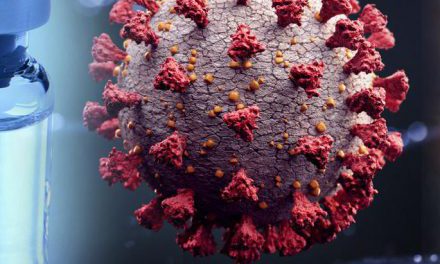
An international team of scientists has identified a novel coronavirus closely related to Covid-19 in a species of moustached bat (Pteronotus parnellii) native to Brazil. The discovery, published as a preprint on BioRxiv on October 30, 2025, highlights the virus’s unique genetic makeup, including a key molecular feature similar to that which enables SARS-CoV-2 to infect human cells. This finding underscores the importance of continued viral surveillance in wildlife to assess and mitigate future pandemic risks.
Key Findings and Developments
The newly found virus, named BRZ batCoV, was detected in intestinal tissue samples collected from 70 bats across three locations in Brazil during 2019. Genetic analysis revealed that BRZ batCoV belongs to a previously unrecognized subgenus within the Betacoronavirus genus, distinct from the five currently recognized subgenera. Notably, the viral spike protein contains a functional furin cleavage site (FCS), a genetic element also present in SARS-CoV-2, which facilitates viral entry into host cells by enabling protease-mediated processing important for infectivity.
The BRZ batCoV’s FCS differs by just one amino acid from that of SARS-CoV-2 but structurally is considered a “hotspot” region commonly permissive for such cleavage sites among diverse betacoronaviruses. This suggests that the furin cleavage site can evolve naturally and independently in different coronavirus lineages. Researchers emphasize that such molecular features are not unique to SARS-CoV-2, alleviating concerns that it may be lab-engineered.
Bats as Viral Reservoirs and Surveillance Implications
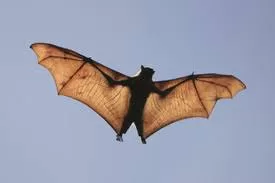
Bats have long been recognized as reservoirs for a wide variety of zoonotic viruses, including betacoronaviruses such as SARS-CoV, MERS-CoV, and SARS-CoV-2. The Pteronotus parnellii bat, known for the small hair tufts around its face, is widespread across Latin America, indicating that BRZ batCoV might have been circulating undetected for months or even years due to limited sampling and surveillance in the region.
Experts stress that the discovery is a call to action for strengthened RNA virus surveillance in South American bat populations. Understanding the circulation, evolution, and zoonotic potential of these viruses is critical for early detection of viruses that could pose future threats to public health.
Expert Commentary and Perspectives
Dr. Kosuke Takada, a molecular virologist from the University of Osaka and co-author of the study, noted, “The discovery demonstrates that furin cleavage sites can arise independently through natural evolutionary processes in different viral lineages.” He further explained that this finding broadens our comprehension of bat coronavirus diversity and underscores the need to elucidate how such features influence viral pathogenicity and host range.
Professor Stuart Neil, head of infectious diseases at King’s College London, who was not involved in the research, remarked, “While this study does not pinpoint how SARS-CoV-2 acquired its cleavage site, it does reinforce that furin cleavage sites are structurally permissive and not unusual in this family of viruses. This underscores the complexity of coronavirus evolution and zoonotic spillover risks.”
Professor David Robertson of the University of Glasgow added, “The identification of a furin cleavage site in this novel coronavirus is important but not surprising. The region of the virus genome is highly mutable, allowing such sites to emerge over time through natural selection.”
Implications for Public Health and Daily Life
Though BRZ batCoV has not been shown to infect humans or cause disease, its discovery highlights potential spillover risks from wildlife viruses to humans. This reinforces the value of proactive surveillance, ecological monitoring, and global cooperation in pandemic preparedness.
For the general public, this finding serves as a reminder of the interconnectedness of human and animal health (One Health concept). Avoiding disruption of natural habitats, minimizing close contact with wild animals, and supporting wildlife conservation can help reduce the risk of zoonotic disease emergence.
Potential Limitations and Uncertainties
The study is based on genomic sequencing data from tissue samples, without isolation of live virus or demonstration of infectivity in human cells to date. The scientific paper is currently a preprint and has not undergone peer review, meaning conclusions may evolve with further research.
Additionally, the exact pathways of possible transmission from bats to humans remain unknown, complicating risk assessment. These limitations warrant cautious interpretation, underscoring the importance of further studies to characterize virus behavior and cross-species transmission potential.
Conclusion
The identification of BRZ batCoV in South American bats enriches understanding of betacoronavirus diversity and zoonotic potential. The functional furin cleavage site characteristic, similar to that of SARS-CoV-2, highlights natural evolutionary mechanisms promoting viral infectivity traits but does not indicate artificial origin.
Strengthened global viral surveillance, especially in under-sampled regions such as South America, and interdisciplinary research remain essential to prevent or mitigate future outbreaks. Meanwhile, public awareness and One Health approaches are vital components of reducing zoonotic spillover risks.
Medical Disclaimer: This article is for informational purposes only and should not be considered medical advice. Always consult with qualified healthcare professionals before making any health-related decisions or changes to your treatment plan. The information presented here is based on current research and expert opinions, which may evolve as new evidence emerges.
Reference