 0
0
 0
0
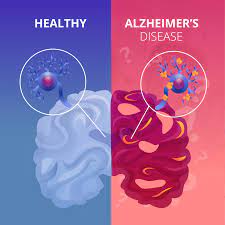
Scientists have discovered a special subset of immune cells in the brain, known as microglia, that can slow down the progression of Alzheimer’s disease by reducing inflammation and blocking harmful protein spread. This breakthrough, published in the journal Nature on November 5, 2025, reveals potential new therapeutic strategies targeting microglial activity to protect brain health and memory.
Key Findings on Protective Brain Cells
Researchers identified microglia with lower levels of a transcription factor called PU.1 and increased expression of an immune receptor CD28. These specialized microglia play a crucial role in suppressing brain inflammation—a key driver of Alzheimer’s—and impede the buildup of amyloid plaques and toxic tau proteins, which are hallmark features of the disease. Using mouse models and human brain tissue, the study demonstrated that when PU.1 levels are reduced, microglia adopt a protective role by expressing receptors usually found in lymphoid immune cells.
Crucially, removal of CD28 from these microglia worsened inflammation and plaque accumulation, confirming CD28’s essential role in maintaining these cells’ protective functions. While these microglia constitute a small fraction of the total microglial population, their widespread anti-inflammatory and neuroprotective effects significantly preserved memory and survival in the animal models.
Expert Insights on Microglial Role
Anne Schaefer, MD, PhD, a senior author of the study and professor at the Icahn School of Medicine, emphasized, “Microglia are not simply destructive responders in Alzheimer’s disease—they can become the brain’s protectors.” Schaefer highlighted the plasticity of microglia states and their diverse functions, underscoring the importance of international scientific collaboration.
Alexander Tarakhovsky, MD, PhD, co-author and immunology expert at Rockefeller University, noted the discovery’s novelty: “It is remarkable that molecules known for regulating B and T lymphocytes also control microglial activity,” pointing to the shared principles of immune regulation across cells. He suggested this discovery opens new avenues for immunotherapy approaches in Alzheimer’s, a disease that has long eluded effective treatment.
Genetic Basis and Implications
The study builds on genetic insights from Alison M. Goate, DPhil, whose previous work found that a variant in the SPI1 gene, which encodes PU.1, corresponds with a lower risk of Alzheimer’s disease. Goate stated, “These results provide a mechanistic explanation for why lower PU.1 levels are linked to reduced Alzheimer’s disease risk.” This genetic evidence strengthens the biological basis for targeting PU.1 and CD28 pathways in future Alzheimer’s therapies.
Context and Background
Alzheimer’s disease affects millions globally and is characterized by progressive memory loss and cognitive decline. Currently available treatments only alleviate symptoms without altering disease progression. Central to the disease pathology are amyloid plaques and tau protein tangles, which contribute to neuronal damage and inflammation.
Microglia, the brain’s resident immune cells, have historically been viewed as contributors to neuroinflammation and disease progression. However, this study reveals a more nuanced role—certain microglia subsets can actively protect the brain by controlling inflammation and protein buildup.
Public Health Implications
This discovery has significant implications for developing novel Alzheimer’s interventions. Targeting microglial states through immune-based therapies could potentially slow or halt disease progression, offering hope where few effective treatments exist.
For individuals and caregivers, the findings emphasize the importance of ongoing research and the potential future benefits of therapies that modulate brain immune function. While this research is early-stage and primarily in animal models, it supports the broader exploration of immunotherapies for neurodegenerative diseases.
Limitations and Counterarguments
Despite promising results, translating these findings to human clinical therapies will require extensive further research. The protective microglia represent a small subset, and safely manipulating immune function in the brain remains challenging. Additionally, Alzheimer’s is a multifactorial disease influenced by genetics, lifestyle, and other biological processes beyond microglial activity.
Some experts caution that interventions targeting immune cells must carefully balance reducing harmful inflammation without impairing necessary immune functions. Ongoing clinical trials will be critical to evaluate the safety and efficacy of potential immunotherapies informed by this discovery.
Practical Takeaways for Readers
-
The brain contains immune cells capable of protecting against Alzheimer’s-related damage by regulating inflammation and toxic protein spread.
-
Research to harness these protective effects may one day lead to therapies that slow disease progression.
-
Current Alzheimer’s prevention still relies on established strategies: managing cardiovascular health, maintaining cognitive activity, and a healthy lifestyle.
-
Individuals should remain informed about emerging treatments and consult healthcare professionals before considering experimental interventions.
Medical Disclaimer: This article is for informational purposes only and should not be considered medical advice. Always consult with qualified healthcare professionals before making any health-related decisions or changes to your treatment plan. The information presented here is based on current research and expert opinions, which may evolve as new evidence emerges.
References
https://health.economictimes.indiatimes.com/news/industry/scientists-find-brain-cells-that-can-stop-alzheimers-study/125220940?utm_source=top_story&utm_medium=homepage