 0
0
 0
0
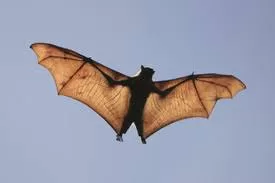
Researchers have identified 20 previously unknown viruses, including two closely related to the deadly Nipah and Hendra viruses, in bats from China’s Yunnan province, sparking fresh concerns about the risk of new pandemics. The findings, published in the journal PLOS Pathogens, highlight the ongoing threat posed by zoonotic diseases—those that can jump from animals to humans—especially in regions where wildlife, livestock, and people live in close proximity.
Details of the Discovery
-
The study involved genetic sequencing of kidney samples from 142 bats, representing ten species, collected between 2017 and 2020 across five locations in Yunnan.
-
Researchers discovered 22 viral species in total, including 20 new viruses and two henipaviruses closely related to the notorious Nipah and Hendra strains.
-
Henipaviruses are known to cause severe brain inflammation and respiratory illness in humans, with fatality rates reaching up to 75 percent in some outbreaks.
-
The newly identified Yunnan bat henipavirus 1 shares up to 71 percent similarity in key proteins with Nipah and Hendra, making it the closest known wild relative to these deadly viruses.
Potential Risks and Transmission
-
The viruses were found in bat kidneys, suggesting that bat urine could serve as a transmission route, especially in orchards near rural villages where bats roost.
-
Contamination of fruit or water by bat urine could expose local villagers and their livestock to these viruses, increasing the risk of spillover events.
-
The discovery site’s proximity to agricultural areas and villages underscores the potential for direct or indirect transmission to humans and animals.
Expert Warnings and Global Context
-
Scientists emphasize the need for urgent monitoring and preventative measures, citing the region’s similarity to areas previously affected by Nipah outbreaks, such as Malaysia and Bangladesh.
-
The discovery comes in the wake of the COVID-19 pandemic, which also originated from a zoonotic spillover, underscoring the importance of surveillance in wildlife populations.
-
Experts note that climate change, farming expansion, and urbanization are increasing contact between humans and wildlife, raising the likelihood of future outbreaks.
What Happens Next?
-
Researchers call for comprehensive, multi-organ screening of bats and other wildlife to better assess and mitigate the risks of zoonotic spillover.
-
Enhanced surveillance and biosecurity measures in regions where humans, livestock, and bats interact are considered crucial to preventing future pandemics.
“This study highlights that we know very little about the viruses that infect bats and those that exist in our world more generally,” said Tim Mahony, director of the Centre for Animal Science at Australia’s University of Queensland7.
Disclaimer:
The information in this article is based on current scientific research and expert commentary. While the discovery of new viruses in bats is cause for vigilance, there is no immediate evidence that these viruses have infected humans or caused outbreaks. The situation is being closely monitored by health authorities and researchers. Readers are advised not to panic but to stay informed through credible sources as new developments arise.