 0
0
 0
0
Researchers at McGill University have pioneered a simple, safe, and low-cost method using controlled soundwave vibrations to influence the structure and strength of living tissues as they form, including blood clots vital for wound healing. This breakthrough, published in Advanced Functional Materials in August 2025, holds promise for emergency bleeding control, tissue engineering, and regenerative medicine by allowing clinicians to tune material properties without chemicals or invasive procedures.
Key Developments in Tissue Engineering Using Vibrations
A research team led by Aram Bahmani, a postdoctoral fellow at Yale University who conducted this study at McGill University’s Department of Mechanical Engineering, discovered that gently vibrating cell-rich gels during formation can dramatically alter the mechanical properties of the resulting tissue. The technique utilizes a speaker-driven platform to apply precisely controlled vibration frequencies and amplitudes to biological materials such as blood clots, plasma gels enriched with fibroblasts, and alginate-based hydrogels. These vibrations reorganize the cells inside the gel from clustering together to spreading out more evenly, which in turn changes how the fibrous protein network (notably fibrin) forms within the tissue scaffold, making the final material up to four times stronger or softer depending on the vibration settings.
This mechanical nudging is distinctive in that it operates without altering the chemistry of the tissue or introducing foreign substances, unlike ultrasound or magnetic-based approaches which can cause tissue damage through heat or cavitation at high intensities. The method is non-invasive, cost-effective, and utilizes widely available equipment, lowering barriers for adoption in clinical settings.
Expert Commentary and Validation
Bahmani, the study’s co-author, emphasized the clinical potential of this easy-to-implement method:
“Strong, fast-forming blood clots are crucial in emergency situations such as traumatic injuries and for people with clotting disorders. Conversely, clots that break down swiftly may be needed in conditions like ischemic stroke. Mechanical nudging gives us the flexibility to tailor clot strength to these differing needs.” He highlighted that the vibration method could be adapted into smart bandages or portable hand-held devices for bedside use.
Independent experts in biomaterials and regenerative medicine note that controlling cell organization during tissue formation is a critical challenge. Dr. Jane Holloway, a biomaterials scientist at a leading medical research institute (not involved in the study), remarked:
“This innovative mechanical vibration technique adds a new dimension to tissue engineering by allowing fine-tuning of mechanical properties without chemical modification, which could enhance the safety and efficacy of engineered tissues.”
Background: Why Cell and Scaffold Organization Matters
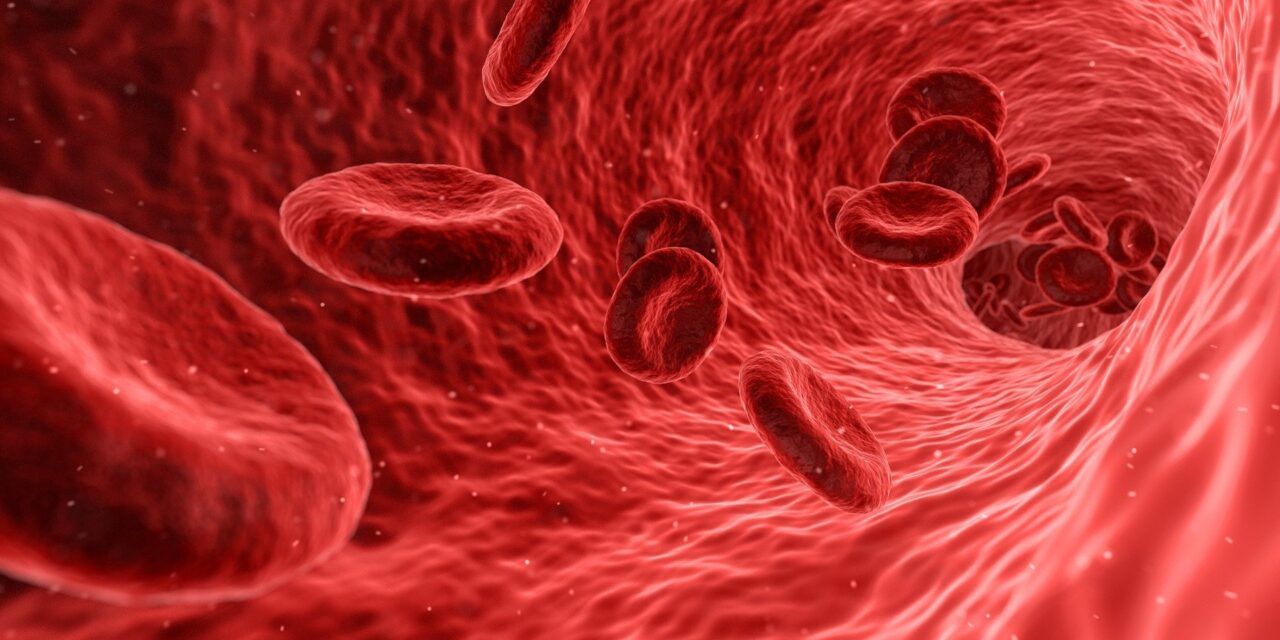
Biological tissues rely on organized cellular arrangements and a balanced extracellular matrix (ECM) network for mechanical integrity and function. For blood clots, fibrin fibers form a scaffold that must be tough enough to seal wounds and resist tearing or shedding embolic fragments into the bloodstream, which can cause serious complications such as stroke or deep vein thrombosis. The researchers found that clustered cells create larger pores and weak points, making tissues more susceptible to fracture, whereas dispersed cells promote a denser, more resilient fibrin network.
Prior technologies to guide tissue formation using magnets, ultrasound, or acoustic fields have sometimes caused collateral tissue damage or immune reactions due to their high energy. This new approach uses mild agitation, offering a gentler and safer way to manipulate living tissues.
Implications for Public Health and Clinical Practice
This technique potentially revolutionizes wound care and trauma management by offering tailored clot characteristics—either stronger clots for rapid emergency sealing or softer clots that facilitate clot breakdown when needed. The vibration method may also improve the production of tissue-engineered grafts and implants by enabling scaffold customization for specific cell types or healing phases.
In emergency medicine, where rapid hemorrhage control is paramount, this could decrease mortality and complications by improving clot durability immediately at the bedside. In stroke care, tuning clot softness could enhance therapies that dissolve clots, reducing treatment times and risks.
Further, by avoiding chemicals and foreign particles, this method could reduce complications linked to current wound dressings or implants, improving patient outcomes and lowering healthcare costs.
Limitations, Challenges, and Future Directions
Transitioning from laboratory benchtop setups to real-world clinical devices requires overcoming several technical hurdles. Researchers must miniaturize vibration equipment, design portable tools tailored to different tissue types, and ensure precise calibration to maintain safe effective vibration parameters during clinical use.
In addition, irregular wound shapes and patient-specific variations in tissue properties may necessitate sophisticated feedback and control systems in future devices to adjust vibrations dynamically.
Safety and efficacy in humans remain to be established through clinical trials, particularly regarding effects on tissues in patients with diverse clotting profiles or those receiving anticoagulant or fibrinolytic drugs. The interplay between vibration and pharmacology needs careful evaluation.
Lastly, clear clinical guidelines will be essential to determine when to encourage clot strengthening or softening, balancing hemostasis against risks of thrombosis or embolism.
Medical Disclaimer
This article is for informational purposes only and should not be considered medical advice. Always consult with qualified healthcare professionals before making any health-related decisions or changes to your treatment plan. The information presented here is based on current research and expert opinions, which may evolve as new evidence emerges.
References