 0
0
 0
0
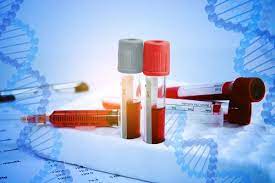
June 9, 2025 — In a groundbreaking study published in Nature Aging, researchers have unveiled a new “epigenetic clock” capable of estimating an individual’s biological aging and potential longevity from just a drop of blood or saliva. This innovation, known as the Intrinsic Capacity (IC) clock, could revolutionize how we assess aging and guide interventions for a healthier, longer life.
What Is Intrinsic Capacity?
Intrinsic Capacity, a concept introduced by the World Health Organization (WHO) in 2015, refers to the sum of all the physical and mental abilities a person can draw upon throughout life. Unlike traditional medical approaches that focus on treating diseases, IC emphasizes preserving and enhancing a person’s overall functional ability. IC typically peaks in early adulthood and gradually declines with age, but lifestyle changes can improve it at any stage of life.
The Study: Building the IC Clock
The research team used data from the ongoing INSPIRE Translational (INSPIRE-T) cohort, which tracks over 1,000 individuals aged 20 to 102. By analyzing DNA methylation patterns—a type of epigenetic marker—in blood samples, they developed a predictive model for IC using advanced statistical techniques.
This model was then tested on participants from the Framingham Heart Study (FHS), a well-known long-term health research project, to see how well the IC clock predicted mortality and related to various health and lifestyle factors.
Key Findings
-
IC and Aging: All domains of IC—sensory, cognition, psychological, locomotion, and vitality—declined with age, but the rate and pattern differed by gender. For example, women tended to experience sensory decline earlier, while men faced earlier cognitive decline.
-
Predicting Longevity: The IC clock showed a strong association with all-cause mortality. Individuals with higher IC scores were estimated to live, on average, 5.5 years longer than those with lower scores.
-
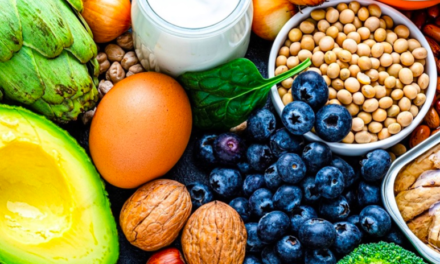
Lifestyle Links: Consuming fish rich in long-chain omega-3 fatty acids and maintaining recommended sugar intake were linked to better IC scores, even after accounting for other dietary factors.
-
Molecular Insights: The IC clock was tied to gene activity related to cellular aging, immune system changes, and inflammation, suggesting it captures key biological processes behind aging.
Limitations and Future Directions
While the IC clock outperformed previous epigenetic clocks in predicting mortality, the researchers caution that the model is less accurate in very old individuals with extremely low IC scores, due to limited data in this age group. Importantly, while higher IC scores are associated with better health outcomes, the study does not prove that improving IC will directly cause longer life or better health.
Further research is needed to validate these findings in more diverse populations and to clarify whether interventions that boost IC can actually extend lifespan.
Disclaimer:
This article is based on a recent scientific study and is intended for informational purposes only. The findings discussed are preliminary and should not be used as a substitute for professional medical advice, diagnosis, or treatment. Further research is required before these methods can be widely adopted in clinical practice. Always consult a qualified healthcare provider with any questions regarding your health or medical conditions.
For more details, read the full study at News-Medical.net: Can scientists predict life longevity from a drop of blood?