 0
0
 0
0
January 27, 2026
Katie Boateng was eating breakfast when she realized her world had gone silent—not in sound, but in scent. Her roommate was spraying bleach nearby in a cleaning fervor, yet Boateng couldn’t smell a thing. After a battery of tests including endoscopies and MRIs, the diagnosis arrived: postviral anosmia. A common cold virus had effectively destroyed her olfactory system.
Seventeen years later, Boateng still lives in a world without fragrance. “I’ll never know what my son smells like,” she says. Her story, once rare in public discourse, became a shared global reality during the COVID-19 pandemic. However, after years of stagnation in olfactory medicine, a wave of new research is offering hope. From concentrated blood injections to electrical brain stimulation, scientists are finally “sniffing out” ways to repair the broken link between the nose and the brain.
The Invisible Disability: Why Smell Matters
Before 2020, approximately 13 million Americans—about 1 in 8 adults over age 40—suffered from measurable smell dysfunction. Causes ranged from head trauma and chronic allergies to neurodegenerative diseases like Parkinson’s. COVID-19 accelerated this crisis, leaving more than half of those infected with some degree of olfactory impairment. While most recover within weeks, a significant minority face “long-haul” anosmia or parosmia—a condition where familiar scents become distorted into foul odors like sewage or rotting chemicals.
“Smell is not one of the senses that really jumps to the top of your list of importance—until you lose it,” says Dr. Eric Holbrook, an otolaryngologist at Harvard Medical School.
The consequences are more than aesthetic. Those with impaired olfaction are three times more likely to experience domestic accidents, such as failing to detect gas leaks or eating spoiled food. The psychological toll is equally heavy; approximately one-third of people with anosmia suffer from depression, often citing a loss of intimacy and the “flavor” of life.
Moving Beyond Steroids: What Works and What Doesn’t
For decades, corticosteroids were the “go-to” treatment for sudden smell loss due to their anti-inflammatory properties. However, recent rigorous reviews suggest they may be largely ineffective for postviral cases.
The Verdict on Oral and Topical Options
-
Corticosteroids: A 2022 Cochrane review and a follow-up 2025 analysis of four randomized controlled trials found no significant evidence that oral steroids help persistent post-COVID-19 smell loss.
-
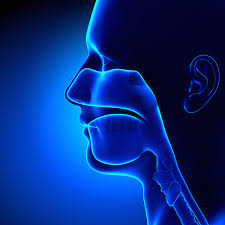
Nasal Sprays: These often fail because they cannot reach the olfactory cleft, a narrow slit at the very top of the nasal cavity. “Sprays are not going to be able to reach that area,” notes Dr. Zara Patel, an otolaryngologist at Stanford University.
-
Supplements: Research currently offers little support for Vitamin A supplements, luteolin, or social-media-touted “cures” like psychedelics.
Olfactory Training 2.0: The Power of Practice
The most evidence-based “low-tech” intervention remains olfactory training. Introduced in 2009 by Dr. Thomas Hummel of the University of Dresden, the method involves sniffing four distinct scents (traditionally rose, lemon, clove, and eucalyptus) for 10 seconds each, twice daily.
While a 2023 meta-analysis confirmed its benefits, a 2025 trial suggested its efficacy wanes if treatment is delayed by more than a year. “It amplifies regular regeneration,” Hummel explains, noting that smell works on a “use-it-or-lose-it” basis.
The Future of Training: Researchers are now optimizing the “scent cocktail.” Dr. Holbrook and his team are developing “Training 2.0,” utilizing synthetic musk (galaxolide) and floral aromas (geranyl acetate) designed to trigger a wider array of the human nose’s 400 olfactory receptors.
High-Tech Interventions: PRP and Electricity
For those who don’t respond to training, two emerging therapies are showing significant clinical promise:
1. Platelet-Rich Plasma (PRP)
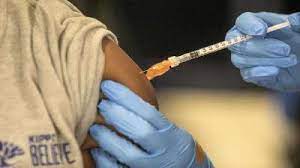
This involves spinning a patient’s own blood to concentrate growth factors, which are then injected into the olfactory cleft.
-
The Data: A 2022 study by Dr. Patel showed that COVID-19 patients receiving PRP had 12 times higher odds of improvement compared to a placebo group.
-
The Catch: It is currently expensive and rarely covered by insurance.
2. Electrical Stimulation
Perhaps the most “sci-fi” development involves stimulating the nerves directly.
-
Vagus Nerve Stimulation: In an October 2025 trial, Dr. Hummel used ear-attached electrodes to stimulate the vagus nerve, which influences how the brain processes odors. Some patients reported gains so dramatic they wanted the device for use during meals.
-
Transcranial Stimulation: A 2025 Italian study found that 63% of patients achieved complete recovery after 10 sessions of mild electrical current applied to the prefrontal cortex combined with olfactory training.
The Road Ahead: Implants and Stem Cells
Looking further into the future, researchers are investigating neural stem cells to regrow damaged tissue and olfactory implants—essentially “cochlear implants for the nose”—that could bypass damaged receptors to stimulate the brain’s olfactory bulb directly.
“I don’t know when exactly, but it will come,” says Hummel.
In the meantime, experts urge patients not to wait. Because the olfactory system loses its ability to regenerate over time, early intervention is key. “The more odors you bring into your daily life,” Hummel says, “the better your sense of smell will be.”
Medical Disclaimer
This article is for informational purposes only and should not be considered medical advice. Always consult with qualified healthcare professionals before making any health-related decisions or changes to your treatment plan. The information presented here is based on current research and expert opinions, which may evolve as new evidence emerges.
References
- https://www.medscape.com/viewarticle/scientists-sniff-out-compelling-new-treatments-anosmia-2026a10002fh