 0
0
 0
0
February 21, 2026
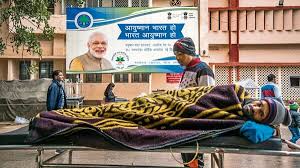
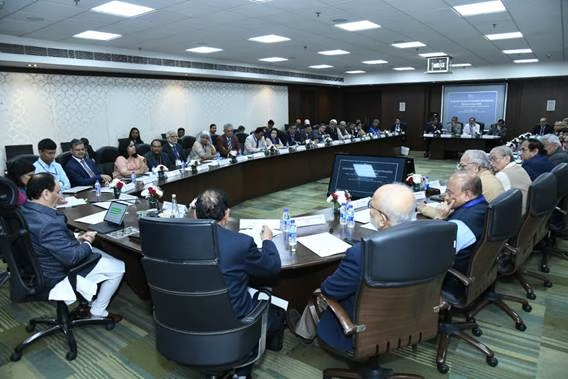
NEW DELHI — Union Minister for Health and Family Welfare Shri J.P. Nadda addressed a landmark Leadership Conclave yesterday, bringing together Presidents and Executive Directors from the rapidly expanding network of All India Institutes of Medical Sciences (AIIMS). Speaking to the heads of the nation’s premier medical institutions, Nadda issued a clarion call to balance rapid infrastructure growth with “uncompromising quality,” mandating a shift toward a patient-centric model that integrates Artificial Intelligence (AI), affordable pharmacy access, and structured community outreach.
The conclave arrives at a critical juncture for Indian healthcare. As the central government continues to decentralize high-tier medical care away from the capital, the “New AIIMS” institutions are being tasked with replicating the gold-standard excellence of the original New Delhi campus while adapting to diverse regional health challenges.
A New Blueprint for Patient-Centric Care
Central to the Minister’s address was the evolution of the AIIMS “ethos.” While AIIMS has historically been synonymous with academic rigor, Nadda emphasized that the future of these institutions rests on the quality of the patient experience.
“A balanced approach must be maintained among patient care, teaching, and research,” Nadda stated during his keynote address. He underscored that expansion should not be measured merely by bed count or building square footage, but by “patient satisfaction and clinical outcomes.”
To achieve this, the Ministry is directing all AIIMS facilities to:
-
Implement Structured Feedback: Moving beyond informal suggestions to digital, real-time patient feedback loops.
-
Ensure Affordable Medicine: Mandating the full functionality of Jan Aushadhi Kendras and AMRIT Pharmacies within every campus to reduce out-of-pocket expenses—a primary barrier to healthcare equity in India.
-
Digital Integration: Institutionalizing telemedicine as a standard vertical of care rather than an emergency measure.
Technological Frontiers: AI and Telemedicine
In a move signaling a digital leap for public health, the Health Minister urged the adoption of cutting-edge technologies. He specifically highlighted the integration of Artificial Intelligence (AI) in diagnostics and clinical decision-making.
According to global health benchmarks, AI-driven diagnostics can reduce human error in radiology and pathology by up to 15-20% in high-volume settings. For the new AIIMS institutions, which often face massive patient loads, these tools are viewed not as luxuries but as essential efficiency drivers.
“The integration of AI and the institutionalization of telemedicine are no longer optional,” noted a senior Ministry official participating in the deliberations. “These tools allow our experts in a newer AIIMS, such as Bilaspur or Rishikesh, to provide world-class consultations to the most remote corners of their respective states.”
Addressing the “Brain Power” Gap
One of the most significant challenges facing the newer AIIMS facilities is the recruitment of specialized faculty. Nadda addressed this head-on, suggesting a more aggressive recruitment cycle.
“Capacity expansion should not compromise quality of care. We must accelerate faculty recruitment without diluting our knowledge standards.”
— Shri J.P. Nadda, Union Health Minister
The Minister proposed conducting at least four cycles of faculty interviews annually to fill vacancies. He also reiterated the importance of the Nursing Officer Recruitment Common Eligibility Test (NORCET) and the Common Recruitment Examination (CRE) to ensure that nursing and non-faculty support staff are appointed through a transparent, merit-based system.
Collaborative Research and the “Inter-Institutional” Model
The conclave highlighted a significant milestone: the establishment of a collaborative research consortium involving 20 AIIMS institutions. This network is designed to tackle “national priorities,” including:
-
Rare Diseases and Genetic Disorders: Leveraging the diverse genetic pool across India.
-
Medical Technology Innovation: Partnering with Indian Institutes of Technology (IITs) and Indian Institutes of Management (IIMs).
-
Epidemiological Tracking: Using the collective data of millions of patients to predict and manage disease outbreaks.
Expert Perspective: Bridging the Gap
“The move toward a collaborative research model is a game-changer,” says Dr. Arindam Ghosh, a public health consultant not affiliated with the Ministry. “Historically, medical research in India has been siloed. By linking the analytical power of an IIT with the clinical volume of an AIIMS, we can finally move toward indigenous medical device manufacturing and precision medicine tailored for the Indian phenotype.”
Guardrails: Governance and Quality Control
The Minister also clarified the governance structure to prevent administrative friction. He defined the role of the President as providing ministerial oversight and guidance, while the Executive Director remains responsible for day-to-day operations. This “functional distinction” is intended to streamline decision-making and foster transparency.
However, some public health advocates caution that rapid scaling presents risks. “The ‘AIIMS brand’ is built on trust,” says Sarah Joseph, a healthcare policy analyst. “While the Minister is right to push for speed in recruitment, the primary challenge will be maintaining the same level of residency training and surgical mentorship that the original AIIMS is famous for. You cannot mass-produce institutional culture overnight.”
What This Means for Patients
For the average citizen, the takeaways from the Leadership Conclave are practical and promising:
-
Local Access to Excellence: Patients in regional states will increasingly have access to the same protocols and specialists available in New Delhi.
-
Reduced Costs: With the focus on Jan Aushadhi pharmacies, the cost of life-saving medications for chronic conditions like cancer and diabetes is expected to drop significantly within AIIMS premises.
-
Better Outreach: Through “structured outreach programmes,” AIIMS doctors will move beyond hospital walls into community health centers, focusing on preventive care.
The release of the “Compilation of Office Memorandum and Guidelines” by the Finance Division during the event further signals a move toward standardized, transparent administrative practices across all campuses, aiming to reduce the bureaucratic red tape that often slows down hospital services.
As the meeting concluded, the message was clear: The new AIIMS institutions are no longer just “under construction”—they are being positioned as the central nervous system of India’s future healthcare infrastructure.
References
-
Primary Source: Press Information Bureau (PIB) Delhi, Ministry of Health and Family Welfare. (Feb 20, 2026). Union Minister for Health and Family Welfare Shri J.P. Nadda Addresses Leadership Conclave.
Medical Disclaimer: This article is for informational purposes only and should not be considered medical advice. Always consult with qualified healthcare professionals before making any health-related decisions or changes to your treatment plan. The information presented here is based on current research and expert opinions, which may evolve as new evidence emerges.