 0
0
 0
0
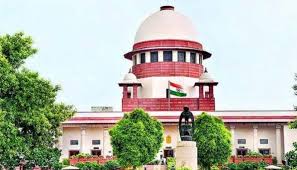
The Supreme Court of India recently delivered a pivotal judgment clarifying that doctors cannot be held liable for medical negligence merely because a treatment or surgery results in an unfavorable or poor patient outcome. This ruling, handed down in late 2024, reaffirms the fundamental legal principles governing medical negligence, emphasizing that liability requires proof of a breach in the standard of care or failure to exercise requisite medical skill—not simply a patient’s adverse response to treatment.
Key Findings and Legal Context
Medical negligence occurs when a healthcare professional deviates from the accepted standard of care expected in the field, leading to patient harm or injury. The recent Supreme Court judgment addressed the misconception that unsuccessful treatment outcomes automatically imply negligence. The bench clarified that an unfavorable medical result, including post-surgical complications or lack of improvement, does not alone establish fault or malpractice on the part of the doctor.
Rather, the court outlined that actionable negligence requires three key elements: (1) a duty on the part of the doctor to provide care, (2) breach of that duty through lack of appropriate skill or failure to exercise reasonable care, and (3) consequent damage or harm to the patient caused directly by this breach. Unless evidence substantiates these components, doctors cannot be held liable simply because the treatment did not succeed as hoped, protecting medical professionals from undue legal exposure for bona fide medical risks and uncertainties inherent to complex care.
Expert Perspectives and Analysis
Legal commentators and medical experts have praised the court’s reaffirmation of the stringent standards needed to prove negligence. Dr. Ramesh Kumar, a senior medic not involved in the case, explained: “The ruling recognizes the unpredictable nature of medicine. Doctors make informed decisions based on current knowledge, but not all outcomes can be controlled or guaranteed. This judgment protects clinicians who adhere to best practices from unfair blame.” Eminent legal expert Advocate Nidhi Sharma added, “This judgment aligns with earlier precedents like Bolam v. Friern Hospital Management Committee, which state that negligence cannot be presumed without expert corroboration that a doctor’s conduct deviated from accepted standards”.
Background: The Case at Hand
The ruling stemmed from a case involving Dr. Neeraj Sud of PGIMER, Chandigarh, who was challenged over a surgical intervention performed on a minor with a congenital eyelid condition. The patient’s parents alleged that inadequate care during surgery worsened the child’s condition. While the State Consumer Disputes Redressal Commission originally dismissed the complaint for lack of evidence, the National Consumer Disputes Redressal Commission (NCDRC) later held the doctor liable and ordered compensation.
Upon appeal, the Supreme Court overturned the NCDRC’s decision, finding no compelling evidence that Dr. Sud deviated from accepted medical standards or that negligence occurred. The court underscored that complications in surgery can arise even when conducted with full competence and care, and that such unfavorable outcomes do not imply professional misconduct.
Implications for Public Health and Patient Rights
This judgment balances the protection of medical professionals with safeguarding patient rights. It underscores the principle that proof of negligence must exceed mere treatment failure. Patients are encouraged to seek recourse only when genuine errors or lapses in medical duty are evident, supported by expert opinion and clinical documentation.
For healthcare consumers, the ruling promotes informed understanding that not all poor outcomes equate to malpractice. Every medical intervention involves inherent risks, and outcomes may vary based on individual clinical factors. For doctors, the decision reduces the threat of frivolous litigation and supports medical judgment grounded in accepted standards of care.
Potential Limitations and Counterarguments
While the ruling sets a high threshold to prove negligence, critics argue it may make it harder for legitimate patients harmed by substandard care to obtain justice. They contend that the complexity of medical expertise and variability in outcomes necessitate vigilant oversight to ensure accountability. Nonetheless, the Supreme Court emphasized that courts must rely on expert assessments and credible evidence, avoiding presumption of guilt based on results alone.
Practical Takeaways for Readers
-
Medical negligence requires proven breach of reasonable care or skill, not just unfavorable outcomes.
-
Patients experiencing poor treatment results should seek expert medical and legal advice to assess the quality of care.
-
Doctors who follow accepted standards and provide evidence-based treatment generally bear no legal liability for adverse outcomes beyond their control.
-
Awareness of this legal standard helps maintain trust in healthcare while encouraging fair resolution of disputes.
Medical Disclaimer: This article is for informational purposes only and should not be considered medical advice. Always consult with qualified healthcare professionals before making any health-related decisions or changes to your treatment plan. The information presented here is based on current research and expert opinions, which may evolve as new evidence emerges.
References
-
Supreme Court of India. (2024, November). SC: Doctors Not Negligent for Poor Outcomes Alone. Drishti IAS. https://www.drishtiias.com/daily-updates/daily-news-analysis/sc-doctors-not-negligent-for-poor-outcomes-alonedrishtiias