 0
0
 0
0
May 14, 2025
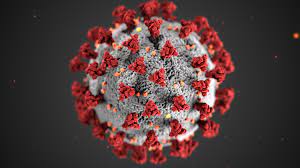
Five years after the onset of the COVID-19 pandemic, the question of where SARS-CoV-2 originated remains a topic of intense debate among scientists, policymakers, and the public. Recent developments have brought renewed attention to the so-called “lab leak” hypothesis, even as the majority of the scientific community continues to support a natural, zoonotic origin for the virus.
Renewed Attention on the Lab Leak Theory
The lab leak hypothesis has gained new traction following reports suggesting that the German Federal Intelligence Service considered the possibility of SARS-CoV-2 being a genetically modified virus originating from a Chinese laboratory. Although these reports generated significant media interest, experts noted that no new scientific evidence was presented to substantiate the claims. The lack of verifiable source data has left the scientific community unconvinced, yet public opinion continues to be influenced by such disclosures.
This resurgence of the lab leak theory has also been reflected in recent changes to some official US government websites, which have removed previously available information about COVID-19, testing, and vaccination. Experts warn that the absence of objective, reliable information can hinder constructive debate and fuel misinformation.
The Scientific Evidence: Nature vs. Laboratory
The discussion about SARS-CoV-2’s origin centers on two primary theories:
-
Zoonotic Spillover: The dominant view among scientists is that the virus jumped from bats to humans, likely via an intermediate animal host. Evidence supporting this includes genetic material from both SARS-CoV-2 and raccoon dogs found in environmental samples from the Huanan Seafood Wholesale Market in Wuhan, where many of the earliest COVID-19 cases were identified.
-
Laboratory Incident: The alternative theory suggests that the virus may have been accidentally released from a laboratory, either as a result of genetic modification or through infection of laboratory workers during research activities. However, no direct evidence-such as infected lab workers or documented presence of the virus in a lab before the pandemic-has been found to support this scenario.
Recent analyses of environmental samples and viral genomes continue to bolster the case for a natural origin. Notably, the discovery of two distinct viral lineages at the Huanan market suggests multiple spillover events, a pattern more consistent with zoonotic transmission than with a single laboratory incident.
Laboratory Safety and Research Practices Under Scrutiny
The debate has also spotlighted laboratory safety standards, particularly in research involving potentially dangerous viruses. A recent study led by Chinese virologist Zheng-Li Shi, which described experiments with a newly discovered bat coronavirus under biosafety level 2 (BSL-2) conditions, has drawn criticism from international experts who argue that stricter BSL-3 protocols should have been used.
While these concerns highlight the need for improved global laboratory safety standards, experts caution against conflating legitimate biosafety debates with unsupported claims about the origins of SARS-CoV-2.
The Intersection of Science and Politics
Despite the renewed momentum behind the lab leak hypothesis, the prevailing scientific consensus remains that a natural origin is far more likely. Experts emphasize that presenting the lab leak theory as established fact is often driven by political interests rather than scientific evidence. They warn that such politicization can erode public trust in science and distract from more pressing issues, such as the destruction of natural habitats and poor conditions in animal breeding facilities-factors that increase the risk of future pandemics.
As historian John M. Barry famously noted, “When you mix science with politics, you get politics.” Scientists urge the public and policymakers to focus on the best available evidence and to resist the temptation to let speculation overshadow scientific inquiry.
Disclaimer:
This article is based on information summarized from a Medscape report originally translated from Univadis Germany. The scientific understanding of SARS-CoV-2’s origins is evolving, and while the majority of evidence currently supports a natural origin, definitive proof for either hypothesis remains elusive. Readers are encouraged to consult reputable scientific sources for the latest updates.
Citations: