 0
0
 0
0
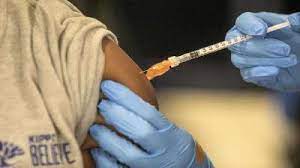
Sydney, Australia – A new study has uncovered that the arm you choose for your vaccine booster could make a significant difference in how quickly and effectively your immune system responds. Scientists from the Garvan Institute of Medical Research and the Kirby Institute at UNSW Sydney have found that receiving a booster vaccine in the same arm as your initial dose leads to a faster and more robust immune response, offering fresh insights that could shape future vaccination strategies.
How Location Boosts Immunity
The research, published in the journal Cell, shows that when a vaccine is administered, specialized immune cells called macrophages are “primed” in the lymph nodes near the injection site. These macrophages help position memory B cells-key players in long-term immunity-so they can respond more effectively when a booster is given in the same arm. This process was first observed in mice and then validated in human volunteers.
“Macrophages are known to gobble up pathogens and clear away dead cells, but our research suggests the ones in the lymph nodes closest to the injection site also play a central role in orchestrating an effective vaccine response the next time around. So location does matter,” said Dr. Rama Dhenni, co-first author of the study.
Clinical Study: Faster Antibody Response
To confirm these findings in people, the team conducted a clinical trial with 30 volunteers who received the Pfizer-BioNTech COVID-19 vaccine. Twenty participants got their booster in the same arm as their first dose, while ten switched arms. Those who received both doses in the same arm produced neutralizing antibodies significantly faster-within the first week after the second dose-compared to those who switched arms. These early antibodies were also more effective against variants like Delta and Omicron.
“By four weeks, both groups had similar antibody levels, but that early protection could be crucial during an outbreak,” said Dr. Mee Ling Munier, co-senior author and Vaccine Immunogenomics group leader at the Kirby Institute.
Implications for Public Health
While the difference in immune protection between arms diminishes over time, the early boost from same-arm vaccination could be vital during fast-moving outbreaks or for rapidly mutating viruses. The researchers suggest that this simple strategy could help achieve herd immunity faster and may be especially important in pandemic situations.
Looking Ahead
The study’s findings open new avenues for improving vaccine design and administration. If scientists can further harness or replicate the interaction between memory B cells and macrophages, it may be possible to create next-generation vaccines that require fewer boosters and offer more durable protection.
“This is a fundamental discovery in how the immune system organises itself to respond better to external threats-nature has come up with this brilliant system and we’re just now beginning to understand it,” said Professor Tri Phan, co-senior author and Director of the Precision Immunology Program at Garvan.
Disclaimer:
This article summarizes findings from a recent study led by the Garvan Institute of Medical Research and the Kirby Institute at UNSW Sydney, published in Cell. The research was conducted in both animal models and a small human clinical trial. While the results are promising, further studies with larger populations may be needed before changes to vaccination guidelines are widely adopted. Always consult healthcare professionals for medical advice regarding vaccination.
Citations: