 0
0
 0
0
KIGALI, April 22 – In a proactive move to further combat malaria, Rwandan health officials have announced a new prevention strategy focusing on entire households to curb the spread of the disease. The initiative will initially be implemented in the capital city, Kigali, before a planned nationwide expansion.
The core of the new approach, unveiled by Epaphrodite Habanabakize, Senior Officer for Malaria Prevention at the Rwanda Biomedical Centre (RBC), involves comprehensive testing and treatment within households where even one member is diagnosed with malaria. Speaking to national broadcaster Rwanda TV on Monday, Habanabakize explained the rationale: “The aim is to reduce malaria transmission within communities.”
Under the plan, if an individual tests positive for malaria at a health facility, a community health worker will visit their home. All members of the household will then be tested for the malaria parasite. Crucially, even those who test positive but show no symptoms (asymptomatic cases) will receive treatment.
“Once transmission is lowered, it serves as a form of prevention, ensuring that all members of the household are treated, even if they are not showing symptoms,” Habanabakize stated. This method targets the reservoir of parasites in asymptomatic carriers, preventing mosquitoes from becoming infected by biting these individuals and subsequently spreading the disease further.
This strategy builds upon Rwanda’s significant progress in fighting malaria over recent years. Official figures show a dramatic decline in cases from 4.8 million during the 2016/2017 fiscal year to 620,000 in the 2023/2024 fiscal year, accompanied by a notable reduction in malaria-related deaths.
Despite these successes, malaria remains a significant public health concern. According to RBC data, 802,428 cases were recorded in 2024, underscoring the need for continued and innovative interventions.
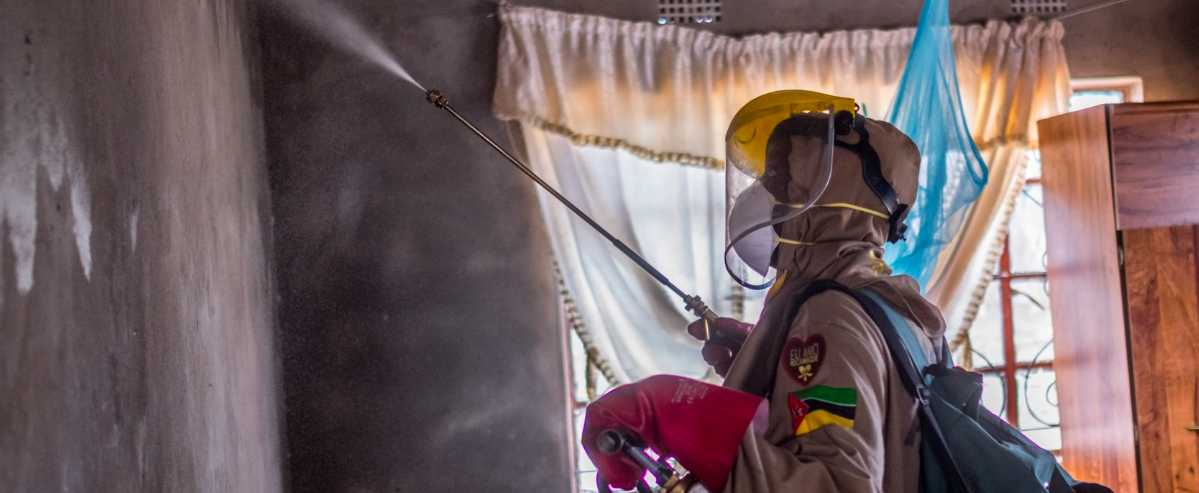
Rwanda has previously implemented other modern techniques, such as introducing drone-based larvicide spraying in swampy mosquito breeding grounds in 2020, complementing traditional methods like indoor residual spraying.
The World Health Organization emphasizes that malaria, a life-threatening disease caused by parasites transmitted through infected mosquito bites, is both preventable and curable. Symptoms can range from mild fever and chills to severe illness, with infants, young children, pregnant women, and immunocompromised individuals facing the highest risk.
Disclaimer: This news article is based on information released by Rwandan health officials regarding a new malaria prevention strategy announced on April 22, 2024. While this report aims to be accurate, readers are advised to consult official public health sources for the most current and detailed information.