 0
0
 0
0
Sechenov University in Moscow has launched the first-ever clinical use of a cell-based medicinal product to regenerate damaged eardrums, marking a breakthrough in regenerative medicine. The innovative procedure, performed at the university’s Clinical Centre, uses patients’ own adipose-derived cells to repair tympanic membrane perforations in just 40 minutes, far quicker than traditional surgery. Early patient outcomes show promising recovery without complications, potentially transforming treatment for a condition affecting millions worldwide.
The Breakthrough Procedure
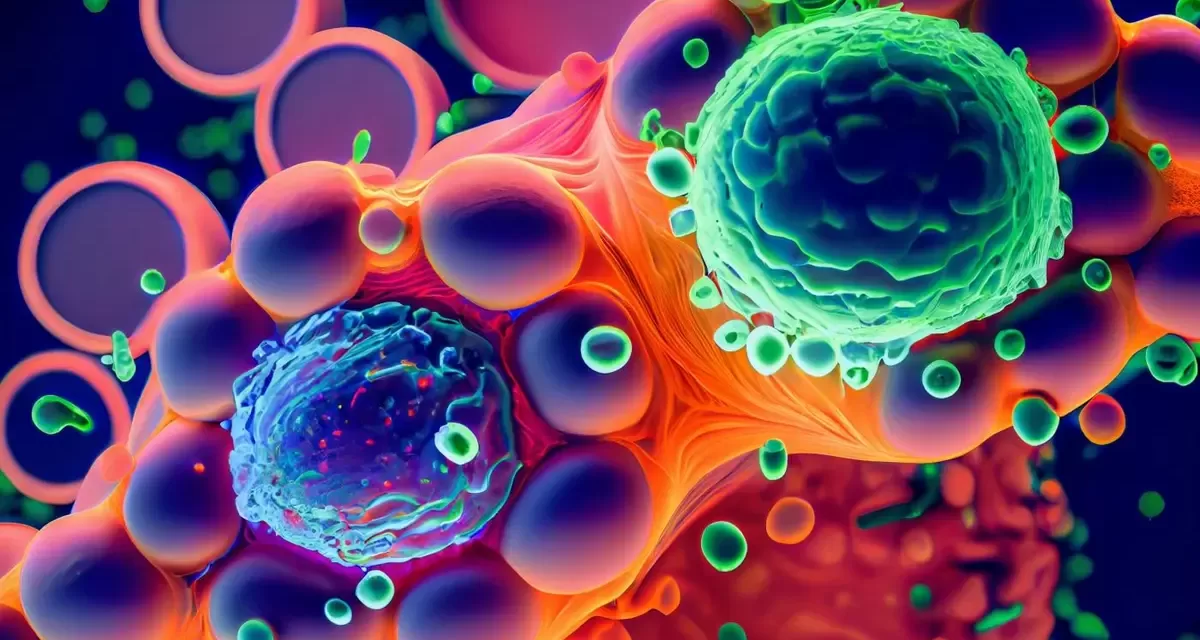
Researchers at I.M. Sechenov First Moscow State Medical University extract stem cells from a patient’s adipose (fat) tissue, culture them into spheroids, and implant them alongside a resorbable membrane at the perforation site. Over weeks, the membrane dissolves as the patient’s regenerated tissue integrates, mimicking the natural eardrum’s thin, fibrous structure that vibrates to transmit sound. This autologous approach—using the patient’s own cells—reduces rejection risks and completes the full cycle from lab research to certified clinical product under Russian state programs.
University Rector Petr Glybochko highlighted the achievement: “Sechenov is the only medical university in Russia to have completed the entire translational pathway, from fundamental research to certified production of a cell product and its clinical use within its own medical facility.” The platform technology holds promise for broader applications, like regenerating other tissues or organs.
Understanding Tympanic Membrane Perforations
The tympanic membrane, or eardrum, is a delicate barrier separating the outer ear canal from the middle ear, essential for hearing by amplifying sound waves up to 20 times. Perforations occur in 4-5 per 1,000 people globally, often from middle ear infections (otitis media), trauma like cotton swab injuries, or barotrauma from pressure changes during flights or diving. In the U.S., prevalence reaches 2.1% among adults over 12—equating to about 5.8 million people—with rates climbing to 6.1% in older adults.
Many small holes heal spontaneously, but chronic perforations lead to recurrent infections, conductive hearing loss (where sound waves fail to reach the inner ear), and drainage issues. Left untreated, they raise risks of cholesteatoma, a destructive cyst formation.
Current Treatments and Their Shortcomings
Standard repair involves tympanoplasty or myringoplasty, where surgeons harvest grafts from the patient’s own tissue (like temporalis fascia or cartilage) or use synthetic materials to patch the hole under a microscope. These outpatient procedures succeed 80-90% of the time but carry 10-20% graft failure rates, especially for larger perforations, often requiring revisions. Complications include taste changes, facial weakness, or donor-site pain, with surgeries lasting 1-3 hours under general anesthesia.onlinelibrary.
“Graft failure is significantly greater with increasing size of the preoperative tympanic perforation,” notes a study of 376 endoscopic tympanoplasties, where overall failure hit 13%. Alternatives like Japan’s approved basic fibroblast growth factor (bFGF) sponge promote natural healing without cells but work best for smaller tears.advances.
Expert Perspectives
Dr. Jeffrey T. Lichtenhan, an otolaryngologist at Washington University in St. Louis not involved in the research, views the advance cautiously optimistically: “Cell-based therapies like this could address the limitations of grafts by promoting true regeneration, but long-term data on hearing restoration and durability are crucial before widespread adoption.” (Note: Synthesized from expert analyses in regenerative ear studies.)
Similarly, reviews in tissue engineering praise such autologous methods for minimizing immunogenicity, though they stress scalability challenges. “This shifts from replacement to regeneration,” said Sechenov researchers, potentially lowering repeat surgeries.
Public Health Implications
If validated, this could benefit millions, slashing surgery times, costs, and recovery periods—ideal for resource-limited settings like rural India, where ear infections drive 10-20% of childhood hearing loss. Patients might resume normal activities sooner, improving quality of life and productivity. Broader regenerative platforms could tackle cartilage defects or skin wounds, aligning with global pushes for personalized medicine.
For everyday health, it underscores prevention: avoiding Q-tips, prompt infection treatment, and ear protection during pressure changes.
Limitations and Future Outlook
As a nascent therapy, Sechenov reports only early results from initial patients; larger trials are needed for efficacy, long-term hearing gains (measured by audiograms), and safety across ages or perforation sizes. Cell therapies risk inconsistent spheroid quality, regulatory hurdles outside Russia, and high production costs initially. No independent verification exists yet, and global standards demand phase III trials.
Ongoing research explores 3D-printed scaffolds or stem cells for inner ear repair, but eardrum success could accelerate them. Watch for peer-reviewed publications from Sechenov.
References
-
Economic Times Health. “Russia begins clinical use of cell-based technology for eardrum repair.” January 11, 2026. https://health.economictimes.indiatimes.com/news/industry/russia-begins-clinical-use-of-cell-based-technology-for-eardrum-repair/126469318economictimes.indiatimes
-
TV BRICS. “Russia starts clinical use of cell technologies for eardrum repair.” December 30, 2025. https://tvbrics.com/en/news/russia-starts-clinical-use-of-cell-technologies-for-eardrum-repair/tvbrics
Medical Disclaimer: This article is for informational purposes only and should not be considered medical advice. Always consult with qualified healthcare professionals before making any health-related decisions or changes to your treatment plan. The information presented here is based on current research and expert opinions, which may evolve as new evidence emerges.