 0
0
 0
0
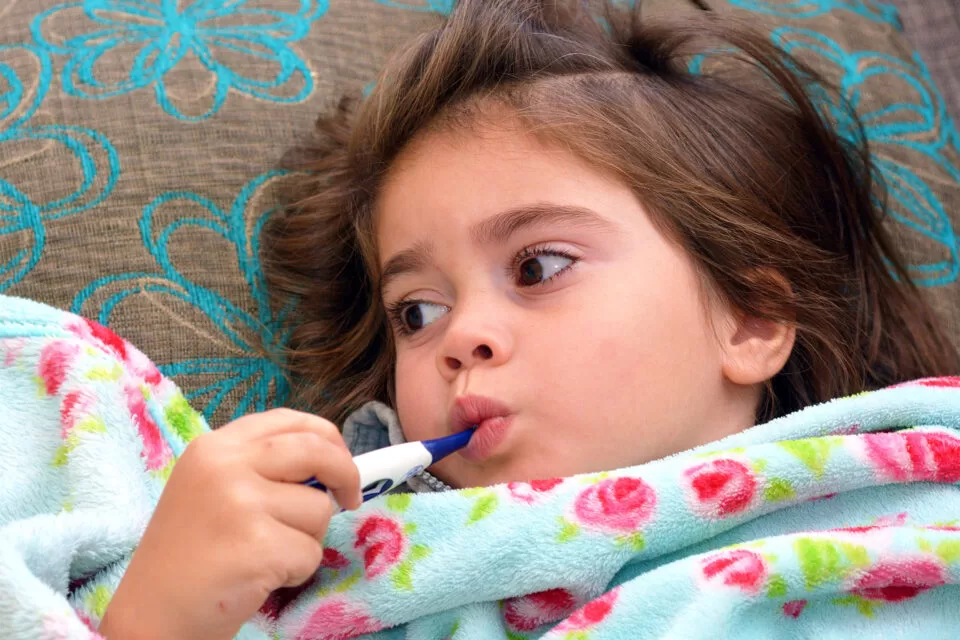
Respiratory Syncytial Virus (RSV) is rapidly emerging as a major health threat for Indian infants, particularly during the post-monsoon and winter seasons. Recent data indicate that RSV is responsible for 30–50% of bronchiolitis and pneumonia cases in children under two years of age, with the highest risk among babies below six months, those born prematurely, or with underlying health conditions.
According to Dr. Shreya Dubey, consultant in neonatology and paediatrics at CK Birla Hospital, Gurugram, RSV is one of the leading causes of lower respiratory tract infections in infants and young children both globally and in India. Dr. Rahul Sharma, additional director of pulmonology at Fortis Hospital, Noida, estimates that 2–3 million pneumonia cases annually in India are linked to RSV, many of which require hospitalization, especially among children under five.
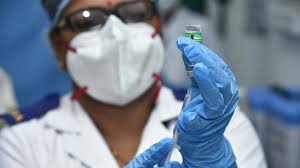
The World Health Organization (WHO) has recently recommended maternal RSV vaccination to protect newborns through passive immunity. However, India is still in the early stages of evaluating and adopting these preventive strategies. The Indian Academy of Pediatrics is currently assessing the safety, efficacy, and cost-effectiveness of the RSV vaccine for Indian settings. If approved, the vaccine may first be rolled out to high-risk groups in private or corporate hospitals.
Monoclonal antibodies, such as Nirsevimab, have shown promising results in preventing severe RSV infection with a single dose. However, cost remains a significant barrier. Currently, one dose of monoclonal antibody treatment could cost between ₹50,000 and ₹1,00,000, making it unaffordable for most Indian families without government subsidies or insurance coverage.
Dr. Dubey emphasized the need for differential pricing, public health integration, and local manufacturing to ensure equitable access. Indian pharmaceutical companies like Bharat Biotech and the Serum Institute of India have already initiated RSV vaccine research, and collaborations with global pharma companies could help manufacture monoclonal antibodies locally, significantly reducing costs.
Despite this progress, widespread availability of RSV prevention measures is still years away. Experts estimate it may take another 2 to 4 years for broad access, depending on regulatory clearances and production scale. Maternal vaccines could be introduced earlier in select hospitals, while monoclonal antibody therapies might begin with pilot programs for high-risk groups in the next year or two.
“The groundwork is there,” said Dr. Sharma. “Now it’s about making sure the solution is accessible, not just available.”
Disclaimer:
The information in this article is based on current reports and expert statements as of June 2025. The timeline and availability of RSV prevention strategies may change based on regulatory approvals, public health policies, and other factors. Consult your healthcare provider for the latest advice on RSV prevention and treatment.