 0
0
 0
0
In a significant pharmaceutical fraud case, Delhi Police have issued a lookout circular (LOC) against Vicky Ramancha, CEO of a Mumbai-based pharmaceutical company, accused of duping a US-based firm of over Rs 180 crore by supplying counterfeit Ozempic, a globally prescribed anti-diabetic medication. The scam, which unfolded between September and December 2023, has drawn sharp attention to the risks posed by counterfeit drugs in cross-border supply chains and their serious implications for public health and India’s pharmaceutical reputation.
Key Findings and Developments
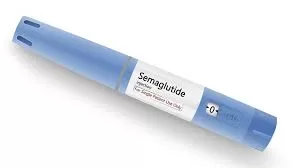
The case originated in July 2023 when Ramancha’s subsidiary, R & R Global Procurement Corporation, entered into an agreement with Assure Global LLC, a US-based company, to supply 1.25 lakh doses of Ozempic sourced allegedly from China. Ozempic (semaglutide) is an injectable medication controlled exclusively by Danish pharmaceutical giant Novo Nordisk, primarily used to manage Type-2 diabetes and increasingly prescribed for weight management.
Despite receiving payments totaling $18.83 million (approximately Rs 156 crore) over seven transactions between September and December that year, Assure Global never received the promised shipments. Instead, investigators discovered that Ramancha used falsified contracts, relabeled medicines, and notarized documents to mask the fraud. Police reports highlight the use of bogus sale-purchase deeds and fake or relabeled drugs to perpetrate the scam. Repeated summons to Ramancha’s Mumbai address went unanswered, and he reportedly changed his residence multiple times during investigations.
After initially filing a complaint in August 2024 with no police action, Assure Global approached the Patiala House Court in Delhi, which ordered prompt filing of a First Information Report (FIR) in May 2025. The FIR, lodged in June under IPC sections related to cheating, criminal breach of trust, and conspiracy, marks a major step in the investigation. Ramancha attempted to quash the FIR and later sought anticipatory bail, both of which were denied.
Expert Perspectives and Legal Context
Additional Sessions Judge Saurabh Pratap Singh Laler of Patiala House Court underscored the gravity of the crime, emphasizing that “the supply of counterfeit pharmaceuticals represents a direct threat to public health and safety.” The judge highlighted the wider ramifications for India’s pharmaceutical industry—termed the “pharmacy of the world”—which faces reputational damage and increased regulatory scrutiny due to such scams.
The Economic Offences Wing (EOW) described the fraudulent operation as a “sophisticated transnational fraud” estimated to have caused financial losses exceeding USD 18.8 million and warned of broader economic and diplomatic consequences. These include loss of market share for legitimate manufacturers, foreign exchange earnings decline, potential trade sanctions, and disruption in pharmaceutical agreements with importing countries.
Dr. Anil Gupta, a pharmaceutical ethics expert unaffiliated with the case, commented, “Counterfeit drug scams are not just financial crimes — they endanger patients’ lives. They erode trust in the safety, efficacy, and integrity of global drug supply chains. India’s pharmaceutical sector must intensify regulatory vigilance to safeguard its international standing.”
Context and Background
Ozempic, an injectable drug approved for Type-2 diabetes, has seen increasing global demand, including off-label uses such as obesity treatment, which has prompted high market prices. This increasing demand, coupled with the complex supply chain spanning multiple countries, creates vulnerabilities exploited by counterfeiters.
The Indian Directorate of Economic Offences Wing has highlighted that fraudulent pharmaceutical activities involving relabeled or fake medicines have historically undermined public health safety and inflated regulatory compliance costs industry-wide. The recent court observations reflect growing judicial determination to tackle pharmaceutical fraud decisively to protect consumer safety and uphold India’s export market reputation.
Public Health Implications
Counterfeit medications like fake Ozempic can have severe health consequences. Patients using such fraudulent drugs risk inadequate disease control, unknown adverse effects, and potential toxicity. For diabetic patients, this can mean uncontrolled blood sugar levels, increased risk of complications, and diminished trust in treatment.
Moreover, international spread of counterfeit drugs can strain diplomatic relations and invite sanctions, further complicating global access to life-saving medicines. Industry stakeholders and regulators must collaborate to strengthen supply chain transparency and rapid detection mechanisms for fake drugs.
Limitations and Counterarguments
While this case demonstrates the scale and sophistication of counterfeit pharmaceutical networks, the investigation is ongoing. Authorities are probing deeper into Ramancha’s associates and employees to uncover the full extent of the scam. Legal processes will ensure due process, with the accused given opportunities to present defenses.
Some critics caution that such high-profile prosecutions risk casting a shadow over India’s entire pharmaceutical industry, which is otherwise known for large-scale, quality-driven exports. Hence, balanced reporting and continued regulatory reforms are necessary to prevent unjust reputational harm while addressing crime effectively.
Practical Implications for Readers
For healthcare consumers, this case reinforces the importance of sourcing medicines from trusted, verified suppliers and pharmacies. Patients and healthcare providers should be vigilant about medication authenticity, especially for critical drugs like Ozempic used in chronic conditions.
Health authorities globally are urged to enhance cross-border cooperation in tracking and acting against counterfeit drug scams. Patients should consult qualified healthcare professionals for prescriptions and report any irregularities in medications promptly.
Medical Disclaimer
Medical Disclaimer: This article is for informational purposes only and should not be considered medical advice. Always consult with qualified healthcare professionals before making any health-related decisions or changes to your treatment plan. The information presented here is based on current research and expert opinions, which may evolve as new evidence emerges.
Reference