 0
0
 0
0
New Delhi, Oct 19 — A recent extensive study has confirmed that Rotovac, India’s indigenous rotavirus vaccine, demonstrates 54% effectiveness in preventing severe rotavirus-related gastroenteritis among children, closely matching results from earlier clinical trials. Dr. Gagandeep Kang, principal investigator of the vaccine’s phase III trials and current head of the Global Health Team at the Bill & Melinda Gates Foundation, expressed optimism about the vaccine’s performance outside the controlled clinical trial setting, reinforcing India’s success in combating rotavirus infections nationwide.
Key Findings and Study Overview
The test-negative study, conducted after India’s government began widespread Rotovac distribution, analyzed data from over 4,000 children hospitalized with diarrhea across multiple states, a significant increase compared to the roughly 200 participants in phase III trials. The study confirmed a 54% effectiveness rate, demonstrating substantial protection against severe rotavirus gastroenteritis. Notably, the vaccine showed effectiveness sustained during the critical first two years of children’s lives—the period with the highest rotavirus burden—resulting in a significant reduction in pediatric hospitalizations due to rotavirus infection. This large-scale observational research represents one of the most comprehensive real-world assessments of rotavirus vaccine performance in India to date.
Development and Collaborations
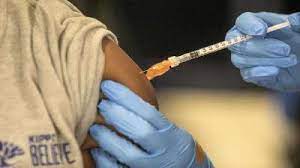
Rotovac is the product of a collaborative effort involving the Department of Biotechnology, Bharat Biotech, the U.S. National Institutes of Health, the Centers for Disease Control and Prevention, Stanford University, and PATH, with funding support from the Bill & Melinda Gates Foundation. The vaccine is administered at 6, 10, and 14 weeks of age and has been included since 2019 in India’s Universal Immunisation Programme (UIP), which provides the vaccine free to the eligible population. The program has achieved about 90% coverage of the target population, aiming to close the gap to reach the remaining 10%.
Expert Commentary on Vaccine Impact
Dr. Gagandeep Kang highlighted the importance of evaluating vaccine effectiveness beyond clinical trials, noting how real-world conditions such as malnutrition and incomplete vaccination schedules can influence outcomes. “A successful trial is wonderful, but how it performs outside trial circumstances is key,” she said. Dr. Kang also addressed safety concerns, stating, “We did a safety study with zero evidence of intussusception, and subsequent data confirmed it is not a side effect,” alleviating earlier fears around this rare bowel obstruction potentially linked with rotavirus vaccines.
Significance for Public Health
Rotavirus remains a major cause of severe diarrhea and death in children under five globally, with the World Health Organization estimating approximately 128,500 annual deaths worldwide. India accounts for about one-fifth of these deaths due to high disease burden. Rotovac’s proven effectiveness signifies a major public health victory in reducing this burden, contributing to India’s progress towards reducing child mortality. The vaccine’s inclusion in the UIP ensures equitable access for all children, regardless of socioeconomic status. Dr. Kang emphasized, “Every child has a right to protection. Private sector vaccines reach some, but only the UIP ensures all children are covered”.
Challenges and Addressing Vaccine Hesitancy
Despite high coverage, vaccine skepticism and misinformation pose ongoing challenges. Dr. Kang urged the public to rely on scientific evidence and critical thinking amid the widespread “firehose of disinformation,” encouraging transparency about what is known and unknown and advocating for building trust in science. This trust is essential not only for rotavirus vaccination but for broader public health immunization programs that have introduced multiple vaccines over the past decades, including pneumococcal and injectable polio vaccines, with HPV and typhoid vaccines awaiting broader use.
Implications for Daily Decisions
For parents and caregivers, this study reinforces the importance of completing the Rotovac vaccination schedule as part of routine child immunizations under the UIP. Vaccination offers significant protection against severe diarrheal disease, reducing hospitalizations and potentially life-threatening complications. Maintaining nutritional status and seeking timely vaccination can maximize vaccine benefits, especially as malnutrition can diminish vaccine effectiveness, as observed in other rotavirus vaccines globally.
Limitations and Balanced Perspective
While the 54% effectiveness is a substantial achievement, it is lower than efficacy seen in some high-income countries and with certain rotavirus vaccines. Factors such as malnutrition, co-existing infections, and variability in vaccine administration can influence outcomes. Research in other settings has shown reduced vaccine efficacy in children who are stunted or underweight. Ongoing surveillance and studies are necessary to optimize vaccine performance and uptake in diverse populations. The study reflects real-world complexities while affirming Rotovac’s critical role in reducing rotavirus disease burden.
Medical Disclaimer
This article is for informational purposes only and should not be considered medical advice. Always consult with qualified healthcare professionals before making any health-related decisions or changes to your treatment plan. The information presented here is based on current research and expert opinions, which may evolve as new evidence emerges.
References