0
0
 0
0
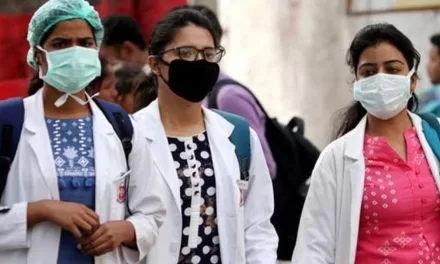
New Delhi’s government and private hospitals reported 149 incidents of violence and assault against doctors and medical staff from 2021 to 2025, with cases peaking at 49 in 2024 and 48 in 2025. This data, tabled during the Delhi Assembly’s Winter Session, underscores a sharp escalation in attacks often triggered by patient deaths or treatment disputes. Healthcare professionals nationwide face similar threats, prompting urgent calls for stronger legal protections.
Escalating Incident Trends
Delhi’s violence reports show a clear upward trajectory, starting with 14 cases each in 2021 and 2022, rising to 24 in 2023, then surging to 49 in 2024 and 48 through late 2025. Hospital administrations filed FIRs in 33 instances, primarily after assaults in emergency departments where tensions run high during critical care. Nationally, the Indian Medical Association (IMA) estimates 75% of doctors have endured verbal or physical abuse, with emergency and ICU wards as hotspots and relatives often perpetrating attacks post-patient demise.
Studies reveal verbal abuse dominates at 87%, but physical assaults, including beatings and threats, comprise 8-12% of cases, disproportionately affecting resident doctors on night shifts. A 2025 South India survey found high prevalence among healthcare workers, linking it to overcrowding and resource shortages. These patterns mirror global concerns but intensify in India’s under-resourced public facilities.
Government Responses and Gaps
Delhi authorities have deployed security guards, CCTV cameras, police in emergency areas, and helplines, alongside displaying Bharatiya Nyaya Sanhita penalties in hospitals. Security committees conduct regular patrolling, yet no dedicated cell for swift justice against attackers is planned. Critics argue these measures fall short, as FIRs remain low relative to incidents and convictions rare.
At the national level, post-2024 Kolkata incidents, the Supreme Court mandated short-term safeguards like better policing, but implementation lags. IMA praises Prime Minister Modi’s stance but demands a central law making attacks non-bailable with up to 14 years’ imprisonment. A 2025 private member’s bill in Rajya Sabha proposes fines up to ₹10 lakh and 6-10 years jail, yet awaits action.
Expert Insights and Root Causes
Dr. Sumit Ray notes, “The violence stems from eroded trust in healthcare, fueled by poor infrastructure and media sensationalism.” IMA leaders declare it a “national emergency,” warning hospitals risk becoming “war zones” that drive defensive medicine and staff exodus. Dr. Sulphi Noohu of IMA Kerala reports over 200 threats in three years, urging comprehensive legislation.
Contributing factors include meager public health spending (under 2% GDP), long waits, bed shortages, and low health literacy, sparking mob reactions. Socioeconomic stressors amplify blame on doctors, whom 75% of surveyed professionals say face underreported assaults. Person-first approaches highlight patients as individuals in distress, not aggressors.
Public Health Ramifications
Unchecked violence threatens India’s healthcare workforce, with doctors increasingly fearful, leading to burnout, resignations, and reluctance in high-risk postings. This erodes care quality, delays treatments, and widens access gaps, especially in emergencies where quick decisions invite backlash. Public trust suffers, as assaults deter medical careers; one study shows 8 in 10 Indian doctors affected, mirroring a “silent crisis.”
For communities, it means strained systems unable to handle crises like pandemics, where doctors risked lives yet faced attacks. Rural areas suffer most, with violence chasing talent to safer urban private sectors.
Calls for Systemic Reform
Advocates push for central legislation equating doctor assaults to attacks on public servants, plus mandatory hospital security audits and awareness campaigns. Training in de-escalation, patient communication, and mob management could bridge gaps, alongside boosting health budgets for better facilities. While some states amended laws post-2023 ordinance (up to 7 years jail, ₹5 lakh fine), enforcement remains weak.
Limitations include potential underreporting due to stigma and data reliance on FIRs, missing minor incidents. Counterarguments suggest over-dramatization ignores patient grievances like negligence, but evidence points to systemic failures over individual faults. Balanced progress requires joint doctor-patient forums.
Practical Steps Forward
Readers can support by advocating polite hospital conduct, understanding care limits, and backing safety laws via petitions. Healthcare workers should document interactions, use panic buttons, and unionize for protections. Policymakers must prioritize funding; for instance, emulating models with dedicated violence cells could cut incidents 30-50% per studies. Ultimately, fostering empathy rebuilds trust.
References
-
Kajal Rajput. “Rising Violence Against Doctors: Delhi reports 149 attacks in last 5 years.” Medical Dialogues, Jan 14, 2026. https://medicaldialogues.in/news/health/doctors/rising-violence-against-doctors-delhi-reports-149-attacks-in-last-5-years-162718[medicaldialogues]
-
PTI. “Delhi records 149 incidents of attacks on doctors, medical staff during 2021-25.” The Print, Jan 13, 2026. https://theprint.in/india/delhi-records-149-incidents-of-attacks-on-doctors-medical-staff-during-2021-25-period/2826977/[theprint]
Medical Disclaimer: This article is for informational purposes only and should not be considered medical advice. Always consult with qualified healthcare professionals before making any health-related decisions or changes to your treatment plan. The information presented here is based on current research and expert opinions, which may evolve as new evidence emerges.