 0
0
 0
0
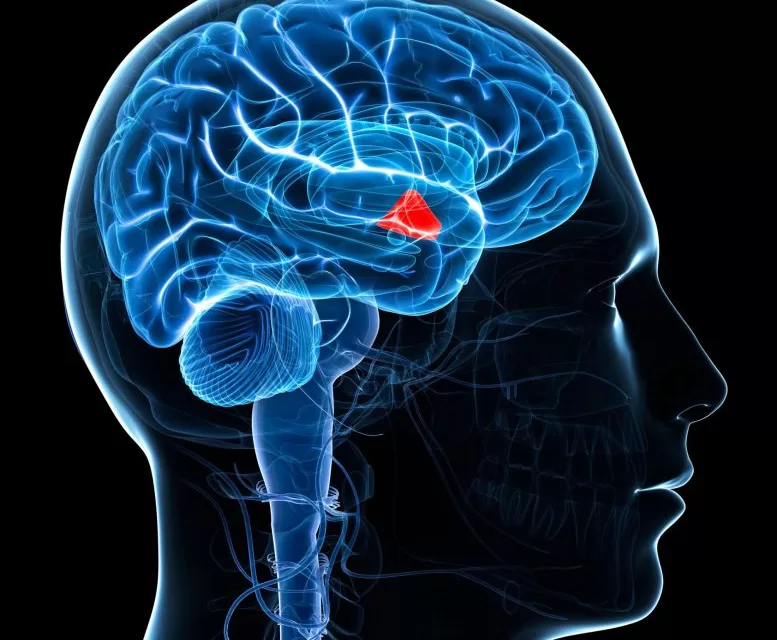
India is facing an alarming public health crisis as strokes—long considered a condition impacting the elderly—are increasingly striking younger adults, with experts warning that up to 20% of stroke patients are now under the age of 45. This surge, underscored by new research and clinicians’ observations reported during World Stroke Day 2025, is prompting urgent advocacy for artificial intelligence (AI)-enabled early screening to improve outcomes and save lives.
Key Findings: Younger Adults at Growing Risk
Once a disease primarily of advanced age, stroke is now making inroads among Indians in their 30s and 40s. National statistics estimate that India sees 1.5–1.8 million new stroke cases each year, equating to approximately 130–170 incidents per 100,000 people. Shockingly, neurologists now report that 15–20% of these patients are adults under 45.
Doctors cite changing lifestyle patterns as the primary driver of this trend. “In a month, 5 out of 10 young adults now present with stroke symptoms—facial droop, arm weakness, or speech problems. There’s been a 50% rise among adults under 40 in my practice alone,” says Dr. Vishwanathan Iyer, Neurosurgeon, Zynova Shalby Hospital, Mumbai. He identifies unchecked hypertension, high cholesterol, sedentary behavior, and chronic stress as major contributors.
Recent studies also highlight a disturbing shift in rural areas. The National Stroke Registry’s longitudinal data finds a 10.9% rise in stroke incidence in the rural population since 1990, signaling a “heartland crisis” where strokes are striking ever-younger demographics.
Causes: Lifestyle, Stress, and Delayed Care
Experts point to a convergence of risk factors:
-
Excessive screen time and digital stress
-
Erratic sleep schedules linked to long work hours
-
Smoking, alcohol, and unhealthy diets
-
Poorly managed or undiagnosed chronic diseases (especially hypertension and diabetes)
“Every minute after stroke onset costs about two million brain cells. Yet, many patients delay seeking care, missing critical treatment windows,” notes Dr. Kunal Bahrani, Clinical Director – Neurology, Marengo Asia Hospitals, Faridabad.
AI-Enabled Screening: A Game Changer
With stroke’s impact growing and public awareness lagging, Indian scientists and health-tech innovators are turning to artificial intelligence for early detection. AI-driven imaging is transforming urgent stroke care by rapidly flagging subtle clots, vessel blockages, or microbleeds—findings that might escape even expert review in standard scans.
Pioneering research by Qure.ai, published in The Lancet (2018), showcased deep-learning algorithms capable of analysing CT scans within minutes, offering automated diagnosis and report generation for hemorrhagic stroke. “With AI, we’ve slashed interpretation time from 30 minutes to just 7. This speed can mean the difference between full recovery and lifelong disability,” says Dr. Ilankumaran Kaliamoorthy, CEO, Apollo Hospitals (Chennai).
Laboratory advances also matter: Modern tests for D-dimer, fibrinogen, and genetic markers can pinpoint those who face higher stroke risk or recurrence. Blood biomarkers such as Glial Fibrillary Acidic Protein and Neurofilament Light Chain can detect brain injury in the first hours after a stroke, allowing even earlier intervention.
Context and Public Health Implications
India’s stroke burden is among the highest globally, ranking as the nation’s second leading cause of death and third leading cause of disability. The cumulative stroke incidence has risen, now at 105–152 cases per 100,000 people yearly—double the rates of high-income countries.
This crisis poses new challenges for both urban professionals and rural communities. Notably, women experience higher early mortality rates from stroke and face added risks from hormonal changes and barriers to swift care.
Expert Perspectives
“Timely diagnosis and treatment are non-negotiable. The greatest hope lies in combining public awareness campaigns with AI-driven early detection,” says Dr. Mahajan, a leading expert in neuroimaging. External experts not involved in the latest research echo this. Dr. Anjali Menon, a neurologist at a major urban hospital, notes, “The data should be a wake-up call for policy makers and the public alike. With improved screening and better blood pressure control, many of these strokes are preventable.”
Dr. Rajiv Kumar, Chair of the Indian Stroke Association, stresses, “What’s especially concerning is that these young patients are in their most productive years, impacting families, workplaces, and the nation’s economy.”
Limitations and Counterarguments
While the acceleration of AI adoption is promising, specialists caution that technology is only part of the solution. “Early diagnosis is vital, but public attitudes and inequitable healthcare access must also be addressed,” observes Dr. Menon.
Additionally, not all AI solutions are universally accessible, especially in remote settings. Volume of training data, infrastructure, and cost remain hurdles. Furthermore, some cases may still evade early detection due to unique causes or atypical presentations.
Practical Implications: What Readers Should Know
-
Recognize common warning signs: sudden facial droop, arm weakness, speech trouble, or confusion
-
Manage risk factors: control blood pressure, stop smoking, adopt healthier eating habits, and get regular exercise
-
Seek immediate attention at the first sign of stroke—minutes matter
-
Support and demand wider implementation of AI-based screening, especially in high-risk or underserved areas
Conclusion
India’s striking rise in strokes among young adults is a national health emergency that transcends generations and geography. AI-enabled detection offers fresh hope—but prevention, public vigilance, and systemic reform are equally critical. Continued research, gender-sensitive interventions, and public-private collaboration will decide whether India can turn the tide.
Medical Disclaimer:
This article is for informational purposes only and should not be considered medical advice. Always consult with qualified healthcare professionals before making any health-related decisions or changes to your treatment plan. The information presented here is based on current research and expert opinions, which may evolve as new evidence emerges.
References
- https://timesofindia.indiatimes.com/science/experts-warn-of-rising-stroke-cases-among-young-indians-urge-ai-enabled-screening-for-early-detection/articleshow/124903171.cms
- https://www.business-standard.com/health/india-rise-in-strokes-among-young-adults-doctors-warn-125102900457_1.html