 0
0
 0
0
Polycystic Ovary Syndrome (PCOS), a common hormonal disorder, is rapidly becoming a public health challenge among young women in India, with experts warning that early intervention is crucial to prevent long-term complications. As cases surge between the ages of 15 and 30, doctors emphasize both the need for timely diagnosis and the importance of lifestyle changes to manage the condition responsibly.
What is PCOS and Who Is Affected?
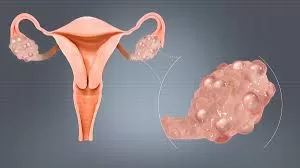
PCOS is caused by an imbalance in reproductive hormones, leading to the formation of small cysts on the ovaries. Common symptoms include irregular menstrual cycles, excess hair growth (hirsutism), acne, oily skin, weight gain (particularly around the abdomen), and fertility issues. Untreated, the condition may increase risks for type 2 diabetes, high blood pressure, heart disease, infertility, and mental health disorders such as anxiety and depression.
Recent studies indicate that PCOS now affects between 17% and 35% of young Indian women, with prevalence highest in urban areas and specific regions such as Kashmir. For instance, an April 2024 study among college women in Delhi NCR found PCOS in 17.4% of those aged 18–25, while other sources estimate the prevalence may reach 21% or higher in some pockets.
Key Findings From Recent Research
-
Data from the Indian Journal of Obstetrics and Gynecology Research (2023) highlighted a PCOS prevalence rate of 77.1% among young women using questionnaire-based Rotterdam criteria; other studies report lower rates, reflecting differences in definitions and diagnostic practices.
-
Globally, PCOS prevalence among reproductive-aged women ranges from 4% to 21%, but statistics in India consistently outpace the average, suggesting unique regional factors such as rapid urbanization, dietary changes, increased obesity, and chronic stress.
-
Nearly half of Indian women with PCOS remain undiagnosed, underscoring a gap in awareness and healthcare access.
Expert Commentary
“Women in the 15–30 years age group are at the highest risk as this is the reproductive phase when hormonal activity peaks,” noted Dr. Surabhi Siddhartha, Consultant Obstetrician & Gynaecologist at Motherhood Hospital, Kharghar. “Every month, six out of 10 women consult us with irregular cycles, acne, facial hair, or weight-related issues. With timely lifestyle changes, dietary management, and medication when required, PCOS can be effectively managed,” she explained.
Dr. Anagha Chhatrapati, Senior Consultant Gynaecologist at Gleneagles Hospital, added, “Almost 50% of women aged 15-30 silently battle PCOS. Yet, many remain unaware and do not seek timely treatment. Management requires a combination of a healthy diet, exercise, weight control, and medication to restore cycles and prevent long-term risks including diabetes and heart disease”
Independent experts echo these views. Dr. E.S. Dason’s 2024 review notes that PCOS should be diagnosed using the Rotterdam criteria, which focuses on a complex interplay of clinical symptoms and laboratory findings, ruling out other endocrine disorders. Regular monitoring of body mass index, blood pressure, and metabolic parameters is advised to manage associated risks.
Context and Background
PCOS is primarily diagnosed according to the Rotterdam criteria, which require the presence of at least two out of three findings: irregular cycles, clinical or biochemical hyperandrogenism, and polycystic ovarian morphology on ultrasound. The condition has strong genetic and environmental ties, and is often exacerbated by sedentary lifestyles and unhealthy eating patterns commonly seen in urbanizing populations.
Unfortunately, as many as 70% of women with PCOS worldwide remain undiagnosed throughout their lifetime, implying that actual numbers may be much higher than current estimates suggest.
Implications for Public Health
The rising incidence of PCOS poses major consequences for reproductive and metabolic health. Early diagnosis allows young women to access effective interventions such as lifestyle modifications (diet, weight loss, exercise), medication (to regulate periods or improve fertility), and psychological support when needed.
-
Nutritional guidance, physical activity, and behavioral counseling are shown to be effective first-line treatments, with medical therapies reserved for more severe cases or those struggling with infertility.
-
Advances in assisted reproductive technologies, including IVF and intracytoplasmic sperm injection (ICSI), have improved fertility outcomes for women with PCOS.
Healthcare professionals caution that unchecked PCOS can increase the risk of metabolic syndrome, type 2 diabetes, cardiovascular disease, and uterine cancer, making preventive care and education a priority for public health.
Potential Limitations and Counterarguments
Despite growing awareness, many PCOS studies rely on self-reported symptoms or poorly standardized diagnostic criteria, making prevalence rates difficult to compare across studies and regions. Some researchers note that the condition can be overdiagnosed in populations with high rates of obesity or menstrual irregularities for other reasons.
Moreover, treatment approaches vary widely depending on resource availability, physician experience, and patient socioeconomic status. The lack of unified long-term management guidelines in India contributes to persistent gaps in care.
Practical Health Advice and Next Steps
For those concerned about PCOS, specialists recommend:
-
Seeking medical advice for symptoms like irregular periods, unwanted hair growth, unexplained weight gain, or persistent acne.
-
Prioritizing a balanced diet, regular physical activity, and stress management to help control metabolic risks and improve hormone balance.
-
Engaging with professional support if facing emotional stress or body image concerns, as mental health support is associated with better outcomes.
-
Discussing medication options with a gynecologist, which may include hormonal contraceptives, insulin-sensitizing drugs (like metformin), or fertility treatments if needed.
Doctors and public health experts agree: PCOS is a manageable condition if caught early and addressed with a multidisciplinary approach.
Medical Disclaimer: This article is for informational purposes only and should not be considered medical advice. Always consult with qualified healthcare professionals before making any health-related decisions or changes to your treatment plan. The information presented here is based on current research and expert opinions, which may evolve as new evidence emerges.
Reference
- https://pmc.ncbi.nlm.nih.gov/articles/PMC12039125/
- https://www.thinkglobalhealth.org/article/india-unprepared-pcos-crisis
- https://pmc.ncbi.nlm.nih.gov/articles/PMC10833093/
- https://www.mayoclinic.org/diseases-conditions/pcos/diagnosis-treatment/drc-20353443