 0
0
 0
0
A new study has sounded the alarm over the rapidly escalating rates of obesity among Indian women, particularly those in their reproductive years, highlighting the urgent need for science-driven, community-oriented, and lifecycle-based interventions to address this growing public health crisis.
Nearly Half of Indian Women Over 35 Are Overweight or Obese
Recent research involving over 640,000 Indian women revealed that nearly 49% of women aged 35-49 are now overweight or obese. Alarmingly, the trend begins early: more than half (52.4%) of women aged 18-30 are already overweight or obese, underscoring the urgency for early intervention. The problem is not confined to urban or affluent populations; both rural and urban areas are affected, with the National Family Health Survey-5 (2019–21) reporting that 33.2% of urban women and 19.7% of rural women are overweight or obese.
Health Consequences: From Fertility to Chronic Disease
Obesity in women is linked to a host of serious health issues, many unique to women’s physiology. These include irregular periods, infertility, polycystic ovary syndrome (PCOS), gestational diabetes, hypertension during pregnancy, increased risk of miscarriages and stillbirths, urinary incontinence, uterine fibroids, and higher rates of C-sections and other birth complications. The impact of obesity extends across the female lifespan, from puberty through menopause, and is associated with a higher risk of depression, metabolic syndrome, and cardiovascular disease in later life.
A National and Global Challenge
The rise in obesity is part of a wider epidemiological shift in India, with the proportion of overweight and obese individuals ranging from 8% to 50% across different states and demographics. India is now projected to rank among the top three countries globally for obesity by 2050, with women expected to bear a higher burden than men. By 2050, an estimated 232 million Indian women could be overweight or obese, compared to 218 million men.
Underlying Factors and the Need for Coordinated Action
Experts attribute the surge in obesity to increased consumption of ultra-processed foods and beverages, lifestyle changes, and persistent cultural misconceptions about the causes of obesity. While awareness of obesity’s health risks exists among Indian women, there is a need to dispel myths and promote evidence-based prevention strategies, such as regular exercise, healthy dietary habits, and routine health screenings.
Recommendations and the Way Forward
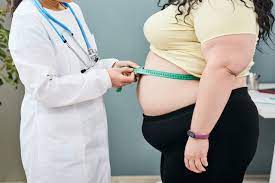
The study, led by specialists from the Indian Society of Assisted Reproduction and published in the Indian Journal of Obstetrics and Gynecology Research, urges gynecologists and primary care physicians to routinely assess body mass index (BMI), waist circumference, and lifestyle factors in women, especially those planning pregnancies. It also calls for trimester-specific weight gain guidelines and emphasizes postpartum weight management through breastfeeding support, structured diet, and exercise.
Coordinated policy interventions, community engagement, and lifecycle-oriented care are essential to curb the obesity epidemic and its long-term health and economic consequences for Indian women and society at large.
Disclaimer:
This article is based on findings from recent studies and public health surveys. The information is intended for general awareness and should not be considered as medical advice. Readers are encouraged to consult healthcare professionals for personalized guidance and treatment.
Citations: