 0
0
 0
0
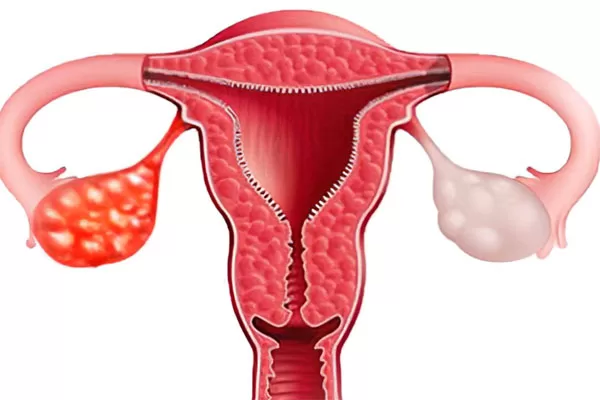
In India, the prevalence of hysterectomy—a major surgical procedure that removes the uterus—has reached concerning proportions, especially among rural women and agricultural workers, fueling urgent calls for better regulation, expanded public health education, and robust medical audits to address unnecessary surgeries and mitigate long-term health risks. Recent statistics indicate that almost 10% of Indian women aged 40-49 have undergone the procedure, much of it driven by socio-economic pressures rather than medical necessity.
Prevalence and Trends
Current research reveals that between 3% and 10% of Indian women in the reproductive age group have undergone hysterectomy, with rates even higher in southern states such as Andhra Pradesh and Telangana, where over 1 in 5 women above age 45 have had the procedure. National Family Health Survey (NFHS) data suggest the procedure is most common among less-educated women in rural areas, with agricultural workers 32% more likely to undergo surgery than those in other occupations.
-
In Andhra Pradesh: 8.9% of women (15–49) underwent hysterectomy.
-
In Telangana: 7.7% prevalence in the same demographic.
-
Nationally: About 5% of women (25–49) have had the operation—roughly five in every 100 women in this age cohort.
Socio-Economic Drivers
Socio-economic pressures—especially the need to avoid wage loss due to menstrual discomfort—are major non-medical reasons for women opting for hysterectomy, particularly among female agricultural workers. Reports from Maharashtra and Karnataka have highlighted instances where landowners purportedly pressured female workers into surgery to reduce absenteeism and maximize productivity.
Expert Commentary
Sanjeev Sanyal, Member of the Economic Advisory Council to the Prime Minister, argues, “While unavoidable in extreme cases, hysterectomy takes a big toll on women’s health. There is a need for greater awareness and tighter monitoring of this phenomenon,” emphasizing the need for both data-driven policies and improved patient education.
Further, Dr. Subha Sri, head of Commonhealth (a coalition of health charities), cautions that “doctors link all pelvic pain or lower back pain to the uterus, often introducing health problems and neglecting to treat what women initially came for,” highlighting the risk of medical arbitrariness.
Context and Background
A hysterectomy may be medically indicated in cases of excessive menstrual bleeding, fibroids, cysts, certain cancers, and severe uterine disorders. However, research shows many surgeries are performed unnecessarily, often in private hospitals and sometimes incentivized by government-funded insurance schemes. Lack of informed consent and understanding of long-term consequences remains a chronic challenge.
India’s National Family Health Surveys (2015–16 and 2019–20) have documented that nearly 1 in 10 women had undergone hysterectomy by age 50.
Implications for Public Health
Health Risks Associated with Hysterectomy
Peer-reviewed studies indicate early or unnecessary hysterectomy increases the risk of:
-
Cardiovascular Disease (CVD), especially stroke
-
Metabolic Disorders and Bone Density Loss
-
Early Menopause and Mental Health Issues
-
Pelvic Organ Prolapse, Fistula, and Urinary Incontinence
A 2023 study published in JAMA Network Open highlights an elevated risk of CVD, particularly stroke, in women undergoing hysterectomy prior to age 50, even after controlling for confounding factors. Additionally, longer-term research finds increased rates of metabolic conditions, reduced bone mineral density, and adverse psychosocial impacts.
Long-Term Social Impact
Women who undergo hysterectomy at a younger age may experience reduced work capacity and a lower quality of life, contrary to perceived short-term benefits. Activists warn the practice perpetuates health inequities and can even lead to debt bondage among the poorest families.
Practical Implications for Readers
-
Seek multiple medical opinions before considering hysterectomy, especially if recommended for non-life-threatening symptoms.
-
Ask about alternative treatments such as medication, lifestyle changes, or minimally invasive procedures.
-
Confirm that the procedure is medically necessary and understand all risks and benefits.
-
Be aware of social and economic factors that may influence health recommendations in certain rural, labor-intensive environments.
Limitations and Counterarguments
While surgical intervention is sometimes the safest option—particularly for severe cases of bleeding, cancer, or significant uterine disorders—experts caution against defaulting to hysterectomy without full informed consent and exploration of conservative management. Conflicting evidence exists regarding the exact degree of risk for conditions such as CVD, with some studies yielding inconclusive results.
Moreover, data collection limitations (sampling bias, underreporting, regional disparities) can dilute the accuracy of official prevalence rates. Surveillance bias may inflate risk estimates as women who undergo surgery are monitored more closely.
Balanced Reporting: Calls for Reform
Medical experts, policymakers, and activists suggest a multi-pronged approach:
-
Stricter regulation of insurance-funded surgeries and private clinics
-
Mandatory data reporting, audits, and medical surveillance
-
Improved community health outreach and informed consent practices
-
Targeted education campaigns, especially for rural and low-literacy populations
Medical Disclaimer
Medical Disclaimer: This article is for informational purposes only and should not be considered medical advice. Always consult with qualified healthcare professionals before making any health-related decisions or changes to your treatment plan. The information presented here is based on current research and expert opinions, which may evolve as new evidence emerges.
References
- https://assamtribune.com/sci-and-tech/stricter-oversight-and-more-awareness-are-essential-to-reducing-the-rising-number-of-hysterectomy-instances-1589424#:~:text=New%20Delhi%2C%20Aug%2027%3A%20Greater,%2C%20fallopian%20tubes%2C%20and%20ovaries.