 0
0
 0
0
Cancer has long been considered a disease affecting mostly older adults. Yet, recent trends reveal a troubling rise in cancer diagnoses among people under 50, prompting urgent questions about the underlying causes and the role of modern environmental factors.
Why Are Younger People Getting Cancer?
Traditionally, cancer risk increases with age due to the accumulation of DNA mutations over time. Each cell division carries a small risk of copying errors, and as we age, our bodies become less efficient at repairing or removing these faulty cells. This is why cancer has historically been more common in older populations.
However, the recent increase in early-onset cancers suggests that factors beyond simple aging are at play. Researchers are now focusing on environmental influences—external factors such as chemicals, diet, lifestyle, and even the microorganisms living in our bodies.
The Chemical Question: Plastics and More
Modern life exposes us to a vast array of chemicals, from air pollution and food additives to the plastics that are now ubiquitous in our daily routines. While some chemicals, like those in cigarette smoke or industrial environments, are well-known carcinogens, most people encounter these only rarely.
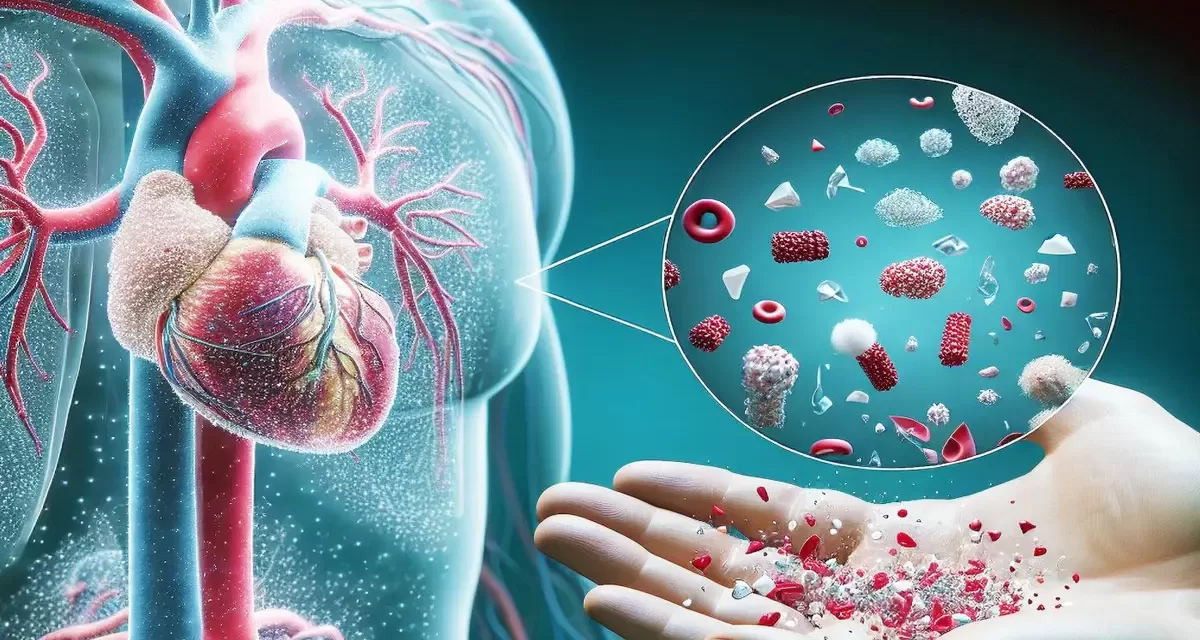
Plastics, however, are everywhere. Experts warn that the sheer variety and prevalence of plastics make it difficult to pinpoint which, if any, are directly causing cancer. Some studies have raised concerns about microplastics and chemicals leaching from plastics into food—such as PFAS (per- and poly-fluoroalkyl substances)—but definitive human evidence remains elusive1.
The Case of Early-Onset Bowel Cancer
One of the most notable trends is the rise in bowel (colorectal) cancer among younger people. While rates in older adults are falling, likely due to better screening, cases in the under-50 group are climbing. Some hypothesize that increased exposure to plastics and related chemicals through food may be a factor, but other contributors—such as poor diet, obesity, alcohol consumption, and changes in gut bacteria—are also under investigation.
What Can Be Done?
Although science has yet to deliver a clear verdict on the role of chemicals and plastics in early-onset cancers, experts recommend practical steps to reduce risk:
-
Limit exposure to unnecessary plastics and chemicals when possible
-
Maintain a healthy, balanced diet
-
Exercise regularly
-
Moderate alcohol consumption
-
Stay informed and consult healthcare professionals, especially with a family history of cancer
Ongoing Research and Cautious Optimism
The connection between environmental chemicals and rising cancer rates in younger people remains an area of intense research. While no single “smoking gun” has been identified, the growing body of evidence underscores the importance of vigilance and preventive health measures.
Disclaimer:
This article is for informational purposes only and does not constitute medical advice. For personal health concerns or cancer risk assessments, please consult a qualified healthcare professional.