 0
0
 0
0
With the onset of the monsoon season, several regions across India are witnessing a significant rise in dengue cases. According to recent reports, 10 confirmed dengue cases have been identified in Mysuru city out of 290 suspected instances, while Mysuru rural areas have reported nine positive cases of chikungunya since January. In a tragic incident, a 13-year-old girl from Dum Dum, Kolkata, succumbed to dengue just four days after the official arrival of the monsoon in the city.
Data from the Directorate General of Health Services (DGHS) reveals that 151 new dengue cases were reported across the country within a 24-hour period ending June 20. This brings the total number of confirmed cases to 7,077 since the beginning of 2025.
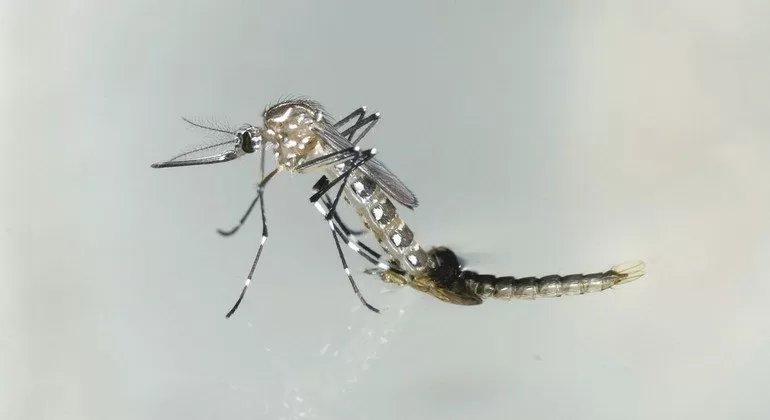
Dengue, a viral infection transmitted by Aedes mosquitoes, poses a growing public health challenge. The World Health Organisation (WHO) estimates that about half of the world’s population is now at risk of dengue, with 100–400 million infections occurring annually.
Most individuals infected with dengue remain asymptomatic, but among those who develop symptoms, high fever, headache, body aches, nausea, and rashes are the most common. While most patients recover within one to two weeks, severe cases can require hospitalization and, in rare instances, can be fatal.
Protective Measures Against Dengue
To curb the spread of dengue, health authorities recommend the following precautions:
-
Avoid mosquito bites: Use mosquito repellents on exposed skin and clothing, especially since Aedes mosquitoes bite during the day.
-
Wear fully-covered clothes: Opt for long-sleeved shirts, long pants, and closed shoes when outdoors. Light-colored clothing attracts fewer mosquitoes.
-
Use mosquito nets and screens: Sleep under mosquito nets and install mesh screens on windows and doors to keep mosquitoes out.
-
Remove standing water: Aedes mosquitoes breed in stagnant water. Regularly empty and clean containers such as flowerpots, buckets, birdbaths, and coolers.
-
Keep surroundings clean: Properly dispose of garbage and ensure that water does not accumulate in and around homes. Clean drains and gutters regularly.
Disclaimer:
The information and suggestions provided in this article are for general awareness and informational purposes only. They should not be considered as professional medical advice. Always consult your doctor or a healthcare provider before making any changes to your health routine or if you have any concerns regarding symptoms.