 0
0
 0
0
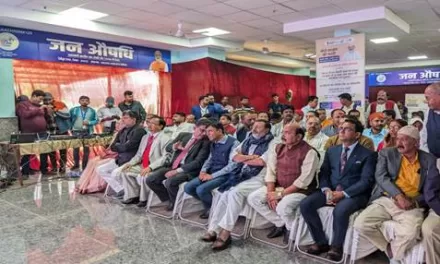
Shimla, August 25, 2025 — The recent significant rise in cancer cases in Himachal Pradesh has emerged as a serious public health concern, the state’s Chief Minister Sukhvinder Singh Sukhu acknowledged in a legislative assembly session last week. With the number of cancer diagnoses surging steadily, especially in districts like Mandi and Shimla, the state government has announced major steps including the establishment of a new Rs 300 crore cancer hospital in Hamirpur, alongside expansion of diagnostic and treatment facilities across key medical centers in the region.
Rising Cancer Burden and State Response
The upward trajectory of cancer cases in Himachal Pradesh, reportedly among the highest in the country after the northeastern states, has alarmed health officials and legislators alike. Chief Minister Sukhu highlighted that diagnostic services such as cancer detection are currently available at Indira Gandhi Medical College (IGMC), Shimla, and Dr Rajendra Prasad Medical College, Tanda, with plans to extend these to all medical colleges within the state. The introduction of PET scan technology at Tanda by October and gradual rollout to other centers also forms part of the phased enhancement of diagnostic capacity.
Therapeutic services are similarly expanding, with chemotherapy now accessible at district hospitals statewide, further extended to the zonal hospital in Mandi and the civil hospital in Sarkaghat. These steps are aligned with the proposed new cancer hospital, which will offer comprehensive care and advanced treatment options, aiming to mitigate the burden on existing facilities.
Environmental and Agricultural Factors
Concerns about environmental contributors to the rising cancer incidence were voiced by Congress MLA Kuldeep Rathore, who emphasized the potential role of pesticide overuse and availability of substandard products. He attributed the high prevalence of cancer in Mandi and Shimla districts partly to these agricultural chemicals and urged regulatory authorities to strengthen oversight on pesticide quality and sales.
Rathore also advocated for a shift towards organic farming practices, referencing models like Sikkim, to reduce harmful chemical exposure among rural populations. Enhanced regulatory mechanisms within the food and safety department were recommended to support this transition and promote public health.
Expert Commentary and Public Health Context
Cancer remains a complex multifactorial disease influenced by genetic, lifestyle, environmental, and occupational factors. Comprehensive cancer control demands not only clinical intervention but also preventive strategies including improved surveillance, education on risk factors such as tobacco use and environmental toxins, and promotion of healthier agricultural practices.
Dr. Anil Sharma, an oncologist not involved with the state’s initiatives, noted, “The expansion of diagnostic and treatment infrastructure in Himachal Pradesh is a vital step in addressing the increasing cancer burden. However, addressing environmental risk factors, particularly pesticide exposure, requires coordinated public health policy and sustained community engagement.”
Statistically, India has witnessed a general increase in cancer incidence attributed to aging populations, lifestyle changes, and exposure to carcinogens. Himachal Pradesh’s position as having a high cancer case load underscores the need for region-specific policies and resources.
Implications for Residents and Healthcare Providers
The state’s moves to increase accessibility to cancer care mean earlier detection and timely treatment, improving potential outcomes for patients. Individuals living in high-risk districts should be vigilant about screening and seek medical advice for suspicious symptoms. Simultaneously, community awareness campaigns about environmental and lifestyle risk factors will be essential to curb the trend.
Limitations and Need for Ongoing Research
While the government’s response is commendable, questions remain about the accuracy of cancer registries and the comprehensiveness of environmental exposure assessments. Further research is necessary to clearly delineate causative factors, monitor intervention effectiveness, and adapt policies dynamically.
Medical Disclaimer: This article is for informational purposes only and should not be considered medical advice. Always consult with qualified healthcare professionals before making any health-related decisions or changes to your treatment plan. The information presented here is based on current research and expert opinions, which may evolve as new evidence emerges.
References:
-
PTI. “Rise in cancer cases in Himachal cause of concern: CM Sukhu.” ThePrint India, August 22, 2025.