 0
0
 0
0
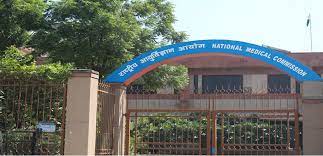
In a landmark move set to transform the landscape of medical education in India, the National Medical Council (NMC) has introduced new regulations that significantly broaden the eligibility criteria for faculty appointments in medical institutions. This policy shift, spearheaded by the Post Graduate Medical Education Board, is designed to address the acute shortage of teaching staff as the country embarks on an ambitious plan to add 75,000 new medical seats over the next five years.
Key Changes to Faculty Eligibility
The new guidelines allow specialists and consultants with substantial teaching experience—specifically, those with over ten years of service in government hospitals—to be appointed as associate professors, even if they have not completed a senior residency. This marks a departure from previous, more rigid service requirements that often limited the pool of eligible faculty.
Additionally, the regulations now permit:
-
with teaching experience to become professors.
-
with teaching backgrounds to be appointed as assistant professors.
These changes are expected to unlock a vast reservoir of experienced professionals, enabling medical institutions to rapidly expand their teaching capacity.
Another significant aspect of the reforms is the inclusion of smaller hospitals—those with at least 220 beds—as potential teaching institutions. This move is anticipated to foster growth in the medical education sector, particularly in regions where access to large teaching hospitals has been limited.
A Strategic Response to Healthcare Needs
The NMC’s regulatory overhaul comes at a critical juncture for India’s healthcare system. With a rapidly growing population and evolving healthcare demands, expanding the number of trained medical professionals is essential. By leveraging the expertise of seasoned specialists and consultants, the new rules aim to expedite the expansion of medical education infrastructure and better meet the nation’s healthcare needs.
:
This article is based on information available as of July 2025 and reflects the latest regulatory changes reported by the National Medical Council. Further details and implementation guidelines may be subject to official updates or clarifications from relevant authorities.