 0
0
 0
0
December 1, 2025
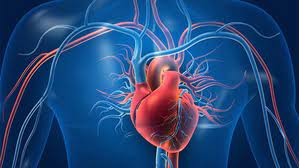
COLLEGE STATION, Texas — A biodegradable “heart patch” bristling with microscopic needles may soon offer a new lifeline to heart attack survivors. Researchers at Texas A&M University have developed a novel device that delivers immune-regulating molecules directly to damaged heart muscle, effectively “reprogramming” the body’s healing response to prevent heart failure.
The findings, published recently in the journal Cell Biomaterials, demonstrate that the patch can significantly reduce scarring and improve the heart’s pumping ability in both rodent and pig models.
The Silent Danger of Scar Tissue
Every year, millions of people survive heart attacks, but their battle often doesn’t end in the emergency room. When a heart attack cuts off blood flow, heart muscle cells die. Because the human heart has very limited ability to regenerate, the body repairs this damage with stiff scar tissue.
While this scar keeps the heart from rupturing, it cannot contract like healthy muscle. Over time, the remaining healthy heart muscle must work harder to pump blood, often leading to enlargement, weakness, and eventually, congestive heart failure—a condition with a 50% mortality rate within five years of diagnosis.
“This is a critical unmet need in cardiology,” says Dr. Ke Huang, an assistant professor in the Department of Pharmaceutical Sciences at Texas A&M and lead author of the study. “We have good treatments to open blocked arteries, but we lack effective therapies to repair the muscle damage that follows.”
A Bridge to Recovery
The new device aims to bridge that gap. The patch is studded with microneedles—each shorter than the thickness of a grain of salt—made from a biocompatible hyaluronic acid hydrogel. These needles are loaded with microparticles containing Interleukin-4 (IL-4), a natural signaling protein that regulates the immune system.
The concept is simple but ingenious. When placed on the heart, the microneedles penetrate the tough outer layer (epicardium) and release IL-4 directly into the damaged muscle tissue over a period of 12 days.
“This patch acts like a bridge,” Dr. Huang explains. “The microneedles penetrate the outer layer of the heart and allow the drug to reach the damaged muscle underneath, which is normally very hard to access.”
Turning ‘Soldiers’ into ‘Builders’
The patch works by targeting macrophages, the immune cells that act as the body’s cleanup crew. After an injury, macrophages usually rush to the site in a pro-inflammatory state (known as M1), acting like soldiers fighting an infection. While necessary at first, prolonged inflammation causes excessive scarring.
The IL-4 released by the patch acts as a command signal, switching these macrophages into a “healing” state (M2). In this mode, they act more like construction workers, dampening inflammation and encouraging tissue repair.
“Macrophages are the key,” said Dr. Huang. “They can either make inflammation worse or help the heart heal. IL-4 helps turn them into helpers.”
Stunning Results in Animal Trials
The research team tested the patch on rats and pigs that had suffered induced heart attacks. The results were promising. Animals treated with the IL-4 microneedle patch showed:
-
Reduced Scarring: The hearts developed significantly less fibrous scar tissue compared to untreated animals.
-
Thicker Heart Walls: The muscular walls of the heart remained robust rather than thinning out, a common sign of progressive heart failure.
-
Improved Function: treated hearts demonstrated higher “ejection fraction”—a measure of how much blood the left ventricle pumps out with each contraction.
Crucially, the study found that the treatment improved communication between heart muscle cells (cardiomyocytes) and the cells lining the blood vessels (endothelial cells). This “cellular conversation,” facilitated by a pathway known as NPR1, appears vital for sustaining long-term heart health.
Limitations and Future Outlook
While the results are groundbreaking, the technology is not yet ready for human patients. Currently, applying the patch requires open-chest surgery, which is invasive and carries its own risks. The researchers are now working to engineer a foldable version of the patch or a similar delivery system that could be inserted through a catheter—a minimally invasive tube threaded through a blood vessel.
Independent experts in cardiac tissue engineering note that while microneedle technology is exciting, the transition from animal models to human trials is challenging. The human heart is larger and beats with different forces than a rat’s heart, meaning the mechanical durability of the patch will be a key focus for future testing.
Dr. Huang’s team is also collaborating with statisticians to use Artificial Intelligence (AI) to map immune responses, hoping to personalize future treatments for individual patients.
“This is just the beginning,” Dr. Huang said. “We’ve proven the concept. Now we want to optimize the design and delivery.”
Medical Disclaimer:
This article is for informational purposes only and should not be considered medical advice. Always consult with qualified healthcare professionals before making any health-related decisions or changes to your treatment plan. The information presented here is based on current research and expert opinions, which may evolve as new evidence emerges.
References
- Primary Study:
Huang, K., et al. (2025). “Immunomodulatory microneedle patch for cardiac repair in rodent and porcine models of myocardial infarction.” Cell Biomaterials. DOI: 10.1016/j.celbio.2025.100152.