 0
0
 0
0
December 14, 2025
A groundbreaking new study published this week has challenged decades of conventional wisdom regarding heart health and blood sugar, revealing that reversing prediabetes can cut the risk of heart attack, heart failure, and stroke by more than half.
The research, published December 12 in The Lancet Diabetes & Endocrinology, suggests that simply “living a healthy lifestyle” may not be enough to protect the heart if blood sugar levels do not return to normal. Instead, achieving “remission”—bringing blood glucose levels back to a healthy range—appears to be the decisive factor in preventing life-threatening cardiovascular events.
The “Fourth Pillar” of Prevention
For years, doctors have treated cardiovascular prevention as a stool with three legs: controlling blood pressure, lowering cholesterol, and stopping smoking. This new analysis proposes a “fourth pillar”: the sustained normalization of blood glucose.
The international team of researchers, led by Professor Andreas Birkenfeld of the University Hospital Tübingen and the German Center for Diabetes Research (DZD), analyzed long-term data from more than 2,400 participants in two major diabetes prevention trials: the U.S. Diabetes Prevention Program Outcomes Study (DPPOS) and the Da Qing Diabetes Prevention Outcome Study in China.
The results were striking. Participants who successfully reversed their prediabetes and achieved normal blood sugar levels saw a 58% lower risk of cardiovascular death or hospitalization for heart failure compared to those whose blood sugar remained elevated. They also experienced a 42% reduction in the risk of suffering a major cardiovascular event, such as a heart attack or stroke.
“Our results suggest that remission of prediabetes not only delays or prevents the onset of type 2 diabetes… but also protects people from serious cardiovascular diseases in the long term,” said Professor Birkenfeld. “We see a clear therapeutic window: If glucose levels are normalized already at the prediabetes stage, the long-term risk… can be markedly reduced.”
A Crucial Distinction: Lifestyle vs. Remission
One of the study’s most important findings is the distinction between attempting a healthy lifestyle and actually achieving metabolic results.
Historically, patients with prediabetes—a condition where blood sugar is high but not yet at the diabetes threshold—are advised to eat better, exercise more, and lose weight. While these changes improve overall fitness, previous research has struggled to prove that lifestyle changes alone significantly reduce heart attack rates in prediabetic patients.
This new study explains why: the benefit lies specifically in the remission.
“The study challenges one of the biggest assumptions in modern preventative medicine,” Birkenfeld noted. “For years, people with prediabetes have been told that losing weight, exercising more, and eating healthier will protect them… While these lifestyle changes are unquestionably valuable, the evidence does not support that they reduce heart attacks… unless important metabolic changes occur.”
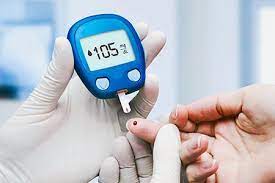
In short, the effort must result in lower blood sugar numbers to truly protect the heart. The researchers identified a fasting blood glucose value of 97 mg/dL or lower as a key marker for this protective effect.
Bridging the Gap in Diabetes Care
The findings come at a critical time. Just last month, a separate global analysis led by the University of Leicester highlighted that only 12% of people with type 2 diabetes are meeting recommended targets for blood sugar, blood pressure, and cholesterol simultaneously.
Prof. Kamlesh Khunti, Director of the Real World Evidence Unit at the University of Leicester, noted in November that these “persistent gaps in care are leaving millions at increased risk of serious complications.” The new Lancet study offers a potential solution to this crisis by identifying a clear, early target—prediabetes remission—that could prevent patients from entering that high-risk category altogether.
Independent experts agree that shifting the focus from “management” to “remission” is a vital step.
“This research fundamentally shifts the goalposts,” says Dr. Elena Rodriguez, a preventative cardiologist who was not involved in the study. “We shouldn’t just be telling patients to ‘try’ to be healthy. We need to treat prediabetes with the same urgency as high blood pressure, with a concrete goal of getting those numbers back to normal to save their hearts.”
Implications for Public Health
Prediabetes is a silent epidemic, affecting millions of adults worldwide. In the U.S. alone, approximately 98 million adults—more than 1 in 3—have prediabetes, and more than 80% don’t know they have it.
The implications of this study are profound for daily health decisions:
-
Get Tested: Knowing your fasting blood glucose number is essential.
-
Target 97 mg/dL: If you have prediabetes, the goal isn’t just weight loss for vanity; it is reaching a specific internal metric (fasting glucose ≤ 97 mg/dL).
-
Monitor Progress: Regular blood work is necessary to ensure lifestyle changes are actually working to lower blood sugar.
Limitations to Consider
While the findings are robust, the study was a “post-hoc” analysis, meaning researchers looked back at data collected for other purposes. While the strong correlation across two different populations (U.S. and China) strengthens the findings, further clinical trials designed specifically to test this hypothesis would be the gold standard. Additionally, achieving remission often requires sustained effort, which can be challenging for many patients without significant support.
Conclusion
This study provides the strongest evidence to date that prediabetes is not just a “warning sign” but a reversible risk factor for heart disease. By treating blood sugar normalization as a primary medical goal—the “fourth pillar” of heart health—patients and doctors may be able to prevent countless heart attacks and strokes in the decades to come.
Medical Disclaimer: This article is for informational purposes only and should not be considered medical advice. Always consult with qualified healthcare professionals before making any health-related decisions or changes to your treatment plan. The information presented here is based on current research and expert opinions, which may evolve as new evidence emerges.
References:
-
Primary Study: Vazquez-Arreola, E., et al. (2025). “Prediabetes remission and cardiovascular morbidity and mortality: post-hoc analyses from the Diabetes Prevention Program Outcome study and the DaQing Diabetes Prevention Outcome study.” The Lancet Diabetes & Endocrinology. Published December 12, 2025. DOI: 10.1016/S2213-8587(25)00295-5.