 0
0
 0
0
A recent Purdue University study reveals that reusable water bottles, a popular eco-friendly hydration choice, frequently harbor bacteria levels exceeding safe drinking water standards. Conducted in 2024 with samples from university students, the research highlights how everyday use and inadequate cleaning habits contribute to the accumulation of strep, fecal bacteria, and other microbes on and inside bottles. Experts warn this contamination could pose health risks, especially for vulnerable populations, but practical cleaning steps can mitigate these dangers and maintain safe hydration.
Key Findings: A Closer Look at Bacterial Contamination
Researchers from Purdue University collected 90 reusable water bottles from students and tested both the exterior and interior for contamination. Using ATP (adenosine triphosphate) testing—an established quick indicator of organic residue—the outside surfaces of all tested bottles, including brand-new control bottles, failed cleanliness standards. This reflects the frequent touching of bottles with hands that contact phones, doors, and desk surfaces, depositing residues that support bacterial growth.
On the inside, bacterial counts surpassed safe water criteria for most bottles. About 70% exceeded 100 colony-forming units per milliliter (CFU/mL), a common drinking water safety threshold, while 60% exceeded 500 CFU/mL. Around 25% of bottles contained coliform bacteria, typically used as a fecal contamination marker, with some samples showing very high levels. These findings suggest many bottles may be reservoirs for harmful microbes such as staphylococcus and streptococcus bacteria [Purdue University Study, Food Protection Journal, 2024].
Expert Insights and Clinical Context
Dr. Yuriko Fukuta, assistant professor of infectious diseases at Baylor College of Medicine, emphasized the risks: “We constantly touch our water bottles with our mouths and hands, making it easy for bacteria to transfer and grow. In some cases, especially among those with weakened immune systems, this contamination can lead to illness.”
Carl Behnke, lead researcher from Purdue, highlighted the importance of bottle cleanliness: “We treat dishes as food-contact surfaces and clean them thoroughly, but often neglect reusable water bottles, which we carry everywhere and use repeatedly throughout the day.”
Background: Why Are Water Bottles a Bacterial Hotspot?
Bacteria need three conditions to thrive: moisture, nutrients, and time. Reusable bottles naturally provide moisture and time. Nutrients appear when bottles are used for sugary or creamy drinks or when residues from those beverages remain. Sugars feed bacteria, and proteins and fats can form a sticky film (biofilm) that is challenging to remove with superficial cleaning.
Design features of bottles like narrow necks, flip tops, straws, bite valves, and silicone gaskets create hiding spots for microbes. These intricate parts are often overlooked during cleaning, allowing biofilms and bacteria to persist. Glass bottles generally show fewer bacteria on the outside due to their smooth, nonporous surface, but all materials can harbor bacteria in concealed areas.
Implications for Public Health and Daily Hygiene
Given the widespread use of reusable bottles, especially among students and active individuals, these findings have direct public health implications. Bottles contaminated with fecal bacteria or staphylococci can potentially cause gastrointestinal infections, skin infections, or respiratory issues in susceptible individuals.
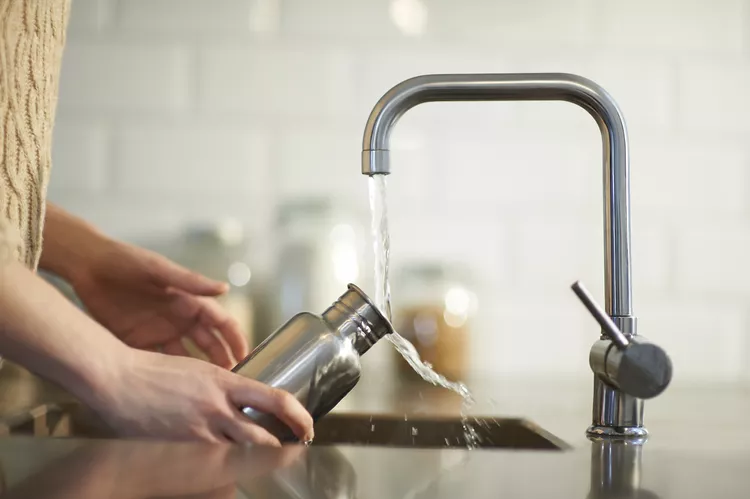
However, regular and thorough cleaning practices can effectively reduce bacterial load. Experts recommend:
-
Washing bottles daily, especially if used for sugary or creamy beverages.
-
Using hot water, dish soap, and a bottle brush to scrub interiors.
-
Separating and cleaning all components such as lids, straws, bite valves, and seals.
-
Allowing bottles to dry completely with caps off to deter bacterial growth.
-
Avoiding sharing bottles to prevent microbial transfer.
-
Regularly wiping outside surfaces, focusing on rims and caps, especially after placing bottles on public surfaces.
Selecting simpler bottle designs with wide mouths and fewer removable parts can aid adherence to cleaning routines.
Limitations and Counterarguments
While the study strongly suggests reusable bottles can harbor biologically concerning bacteria, it does not directly link bottle bacteria with actual infections in users. Additionally, the sample focused on university students, whose habits and environments may differ from the broader population. Some experts might argue that occasional bacterial presence is typical in everyday objects and not inherently dangerous for healthy individuals.
Further large-scale research involving diverse populations and clinical outcomes would be valuable. Meanwhile, it remains prudent to follow recommended cleaning practices to minimize risk.
Conclusion: Maintaining Safe Hydration
Reusable water bottles remain a smart environmental and health choice, promoting hydration and reducing plastic waste. But this convenience comes with responsibility—cleaning habits matter. Treat these bottles with the same care as other food-contact surfaces to ensure they serve as safe hydration tools rather than reservoirs for harmful bacteria.
Medical Disclaimer
Medical Disclaimer: This article is for informational purposes only and should not be considered medical advice. Always consult with qualified healthcare professionals before making any health-related decisions or changes to your treatment plan. The information presented here is based on current research and expert opinions, which may evolve as new evidence emerges.
References
- https://www.earth.com/news/reusable-water-bottles-are-breeding-ground-for-strep-and-fecal-bacteria/